🦕dummy-stegosaurusReplace with real puzzle image
Free Dinosaur Printable
Stegosaurus Dot-to-Dot Printable
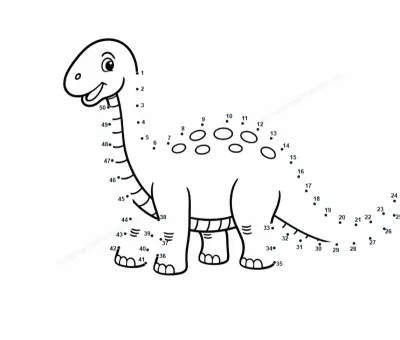
Connect the dots to draw the amazing Stegosaurus with its double row of diamond-shaped plates along its back. This easy dot-to-dot is a favourite for preschool and kindergarten children learning to count to 28.
Difficulty
Easy
!
Fun fact: Stegosaurus had a brain the size of a walnut — but its spiked tail was its superpower!
The printable PDF for this puzzle is coming soon. Check back shortly!
No sign-up needed. Opens as a PDF. Print on any US Letter (8.5 x 11 inch) paper. Free for home and classroom use.
Back to all dinosaur puzzlesStegosaurus Dot-to-Dot Puzzle Guide
With its row of diamond-shaped plates running along its back and four sharp spikes on its tail, the Stegosaurus is one of the most instantly recognisable dinosaurs in the world. This 28-dot puzzle is perfectly sized for younger children — just enough of a challenge to feel rewarding, without being overwhelming. Find dot 1 and let those magnificent plates take shape!
1–6 — The Head
Begin at dot 1 and connect to dot 6 to draw the Stegosaurus's small, narrow head, which points down toward the ground. Children learn that not all dinosaurs had large heads, and practise drawing a compact, downward-facing shape. Six dots is a manageable start for little hands building confidence.
Fun fact!
The Stegosaurus had one of the smallest brains relative to body size of any dinosaur — roughly the size of a walnut sitting inside a body as long as a school bus. Despite this, it survived for millions of years, which is a good reminder that brains are not everything!
The Stegosaurus had one of the smallest brains relative to body size of any dinosaur — roughly the size of a walnut sitting inside a body as long as a school bus. Despite this, it survived for millions of years, which is a good reminder that brains are not everything!
7–16 — The Back Plates
Connect dots 7 through 16 to trace the iconic double row of plates rising from the spine. This is the most visually exciting section of the puzzle — children see the Stegosaurus's signature feature emerge with each dot. Counting aloud as you go is a lovely way for parents to join in.
Fun fact!
The plates were not used for defence — they were too thin. Scientists believe they were filled with blood vessels that helped regulate body temperature, flushing red or pink when the animal was excited. They may also have attracted mates, working like a prehistoric peacock tail.
The plates were not used for defence — they were too thin. Scientists believe they were filled with blood vessels that helped regulate body temperature, flushing red or pink when the animal was excited. They may also have attracted mates, working like a prehistoric peacock tail.
17–24 — The Body and Legs
Trace dots 17 through 24 for the rounded body and four sturdy legs. The Stegosaurus had an unusual shape — its back legs were notably longer than its front legs, giving the back a distinctly arched, high profile. Children begin to see this arch as the body fills in, which sparks great observations.
Fun fact!
The Stegosaurus back legs were nearly twice as long as its front legs, which is why it had that distinctive hunched silhouette. This posture meant its tiny head stayed close to the ground — perfect for munching low-lying plants and ferns.
The Stegosaurus back legs were nearly twice as long as its front legs, which is why it had that distinctive hunched silhouette. This posture meant its tiny head stayed close to the ground — perfect for munching low-lying plants and ferns.
25–28 — The Spiked Tail
Finish the puzzle by connecting dots 25 through 28 to draw the powerful tail and its four sharp spikes. Just four dots to go — encourage children to make each line count and finish with a flourish. Completing a puzzle is a real achievement worth celebrating!
Fun fact!
The tail spikes — palaeontologists call them a 'thagomizer' — could be up to three feet long, which is longer than a guitar! Fossil evidence shows the Stegosaurus used them to stand its ground confidently. Even the gentlest plant-eater knows how to look after itself!
The tail spikes — palaeontologists call them a 'thagomizer' — could be up to three feet long, which is longer than a guitar! Fossil evidence shows the Stegosaurus used them to stand its ground confidently. Even the gentlest plant-eater knows how to look after itself!
You did it — 28 dots and one spectacular Stegosaurus! Now colour those back plates in your favourite shades. Nobody knows exactly what colour Stegosaurus was, which means any colour you choose is just as valid as a scientist's best guess.
More free dinosaur printables