
🦖
Desenho de dinossauro para imprimir gratuitamente
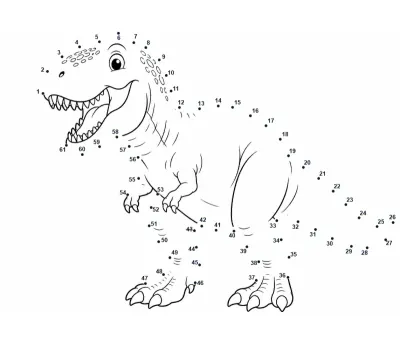
Espinossauro Desenho para imprimir de ligar os pontos
Ligue the pontos to reveal the largest carnivorous dinosaur ever discovered — bigger than even T-Rex! Spinosaurus had a giant sail on its back and hunted fish in rivers. Great for 1st and 2nd graders who love big dinosaurs.
Dificuldade
Médio
!
Curiosidade: Spinosaurus could be up to 59 feet long — longer than a escola bus!
Não é necessário registo. Abre em formato PDF. Imprima em qualquer papel de tamanho Carta (8,5 × 11 polegadas). Gratuito para uso doméstico e em sala de aula.
← Voltar a todos os puzzles de dinossaurosEspinossauro Guia de Puzzles de Ligar os Pontos
Move over, T-Rex — meet the Spinosaurus, the largest meat-eating dinosaur ever to walk the Earth! Longer than a escola bus and equally at casa in water as on land, Spinosaurus was a truly extraordinary animal. Its giant back sail makes it one of the most dramatic dinosaurs to draw. Grab a pencil and let this prehistoric giant rise from the page!
1–8 — A cabeça e as mandíbulas do crocodilo
Start at ponto 1 and work through to ponto 8 to sketch the long, narrow skull that looks more like a crocodile than a typical dinosaur. Children immediately notice how different this head shape is from T-Rex, which is a fantastic observation to encourage. The elongated snout rewards a steady, patient hand.
Curiosidade!
Spinosaurus had cone-shaped teeth ideal for catching slippery fish — very different from the blade-like teeth of T-Rex. Its nostrils were positioned high on the skull, like a crocodile's, allowing it to keep most of its head submerged enquanto still breathing. A brilliant piece of natural engineering.
Spinosaurus had cone-shaped teeth ideal for catching slippery fish — very different from the blade-like teeth of T-Rex. Its nostrils were positioned high on the skull, like a crocodile's, allowing it to keep most of its head submerged enquanto still breathing. A brilliant piece of natural engineering.
9–20 — A Vela Gigante
Continue from ponto 9 to ponto 20 to draw the towering sail that rises dramatically from the spine. This is the most thrilling section of the atividade — the sail can be up to six feet tall, and crianças get to trace its full impressive height. Long, upward strokes build great arm confiança.
Curiosidade!
A vela era sustentada por espinhos que se estendiam desde as vértebras, alguns com mais de um metro e meio de altura. Os cientistas ainda debatem o seu propósito - pode ter regulado a temperatura, armazenado gordura como a corcunda de um camelo ou sido uma estrutura de exibição espetacular para atrair parceiros ou intimidar rivais.
A vela era sustentada por espinhos que se estendiam desde as vértebras, alguns com mais de um metro e meio de altura. Os cientistas ainda debatem o seu propósito - pode ter regulado a temperatura, armazenado gordura como a corcunda de um camelo ou sido uma estrutura de exibição espetacular para atrair parceiros ou intimidar rivais.
21–32 — O corpo
Trace pontos 21 through 32 for the long, muscular body. Spinosaurus had a relatively low body profile compared to other large carnivores — adapted for swimming and wading in rivers. Children practise a flatter, more horizontal body shape here, which is a refreshing contrast to the upright stance of T-Rex.
Curiosidade!
Novas descobertas de fósseis mostram que o Espinossauro tinha ossos curtos e densos – o oposto do que a maioria dos dinossauros tinha – o que o tornava menos flutuante e mais adequado à vida subaquática, tal como as aves mergulhadoras modernas. É o único dinossauro que conhecemos que passou um tempo significativo nadando.
Novas descobertas de fósseis mostram que o Espinossauro tinha ossos curtos e densos – o oposto do que a maioria dos dinossauros tinha – o que o tornava menos flutuante e mais adequado à vida subaquática, tal como as aves mergulhadoras modernas. É o único dinossauro que conhecemos que passou um tempo significativo nadando.
33–44 — As pernas e a cauda
Ligue pontos 33 to 44 to add the legs and long, broad tail. The tail was paddle-shaped — another recent discovery that shocked palaeontologists — making it an effective swimming tool. Children practise both the stocky hind legs and the wide, flat tail shape in this final section.
Curiosidade!
O Espinossauro provavelmente caminhava lento e desajeitado em terra, mas era um nadador forte em rios. A sua cauda em forma de remo só foi confirmada em 2020 a partir de espécimes fósseis recentemente encontrados em Marrocos – provando que mesmo os dinossauros mais estudados ainda nos podem surpreender.
O Espinossauro provavelmente caminhava lento e desajeitado em terra, mas era um nadador forte em rios. A sua cauda em forma de remo só foi confirmada em 2020 a partir de espécimes fósseis recentemente encontrados em Marrocos – provando que mesmo os dinossauros mais estudados ainda nos podem surpreender.
Outstanding effort on a 44-ponto challenge! Your Spinosaurus is ready to wade into the river. This is a wonderful atividade to pair with a trip to the library — there are brilliant books written specifically for crianças about Spinosaurus's extraordinary story.
Mais desenhos de dinossauros para imprimir gratuitamente
Também pode gostar
Perguntas frequentes
Perguntas frequentes
O item Espinossauro é adequado para crianças de Idades 6-10 anos?
Yes. This 44-dot puzzle is designed for children ages Idades 6-10.
Como faço para imprimir Espinossauro?
Utilize o botão de download gratuito nesta página e, em seguida, imprima o PDF em casa ou na escola.
O que devem as crianças usar para completar este puzzle?
O lápis é a melhor opção para ligar os pontos, e as crianças podem colorir o desenho terminado posteriormente.