Cute
Baby Elephant Dot to Dot — Free 50-Dot Printable for Ages 5–7
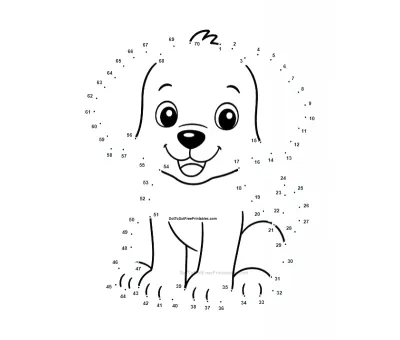
Connect 50 dots to reveal an adorable baby elephant. This easy printable puzzle helps young learners practise number sequencing, pencil control, and concentration.
Difficulty
Easy
Fun fact: Baby elephants sometimes suck their trunk for comfort, just like a human baby sucks its thumb — it helps them feel calm and secure.
Downloaded10+timesYou’ve made a great choice!
Free for home and classroom use.
No sign-up needed. Opens as a PDF. Print on US Letter (8.5 × 11 inch) or A4 paper. Free for home and classroom use.
Cute
You might also like
Ages 5–7 — Easy
How to Solve the Cute Baby Elephant Dot-to-Dot Puzzle
Here comes a gentle giant! With its big flappy ears, curly trunk, and round friendly face, a baby elephant is one of the most heartwarming animals a child can draw. This 50-dot puzzle builds the elephant up section by section, so grab a pencil, find a comfy spot, and let this little friend stomp onto the page!
1–13 — The Big Flappy Ears
Start at dot 1 and work through to dot 13 to draw the elephant's big, flappy ears. Ears are a wonderful first section because their wide, gentle curves reward a slow, careful hand — encourage children to look ahead to the next dot before drawing each line.
Fun fact!
An elephant's giant ears aren't just for hearing — they're also like built-in fans. Elephants flap their ears to cool the blood flowing through them, which helps keep their whole body from overheating.
An elephant's giant ears aren't just for hearing — they're also like built-in fans. Elephants flap their ears to cool the blood flowing through them, which helps keep their whole body from overheating.
14–26 — The Face and Curly Trunk
Continue from dot 14 to dot 26 to shape the elephant's round face and its long, curling trunk. This is the most detailed part of the puzzle, so it's a great exercise in patience — remind children to take their time as the trunk curves around.
Fun fact!
An elephant's trunk has no bones inside it at all — it's made almost entirely of muscle, over 40,000 of them! That's why a trunk can be strong enough to lift a log, yet gentle enough to pick up a single peanut.
An elephant's trunk has no bones inside it at all — it's made almost entirely of muscle, over 40,000 of them! That's why a trunk can be strong enough to lift a log, yet gentle enough to pick up a single peanut.
27–38 — The Body
Trace dots 27 through 38 to draw the elephant's round, sturdy body. The strokes here are longer and smoother than in the face section — a nice change of rhythm that helps children practise confident, flowing lines.
Fun fact!
Elephants are the largest land animals on Earth, but baby elephants can already weigh as much as a grown adult human at birth — around 100 kilograms (220 pounds)!
Elephants are the largest land animals on Earth, but baby elephants can already weigh as much as a grown adult human at birth — around 100 kilograms (220 pounds)!
39–50 — The Legs and Little Tail
Finish by connecting dots 39 through 50 to add the sturdy legs and the little swishing tail. Just twelve dots to go — a smooth, confident finish here brings the whole elephant to life. Don't forget to add a happy smile when you're done!
Fun fact!
Despite their enormous size, elephants actually walk on their tiptoes! A cushion of fat under each heel helps support their weight and lets them move almost silently through the grass.
Despite their enormous size, elephants actually walk on their tiptoes! A cushion of fat under each heel helps support their weight and lets them move almost silently through the grass.
Wonderful work on a 50-dot challenge! Your baby elephant is ready for a soft grey coat, or any colour you can dream up. Explore more cute dot to dot printables to keep the fun going.
Coloring Guide
Classic Grey African Elephant
Grey is the natural base colour of elephant skin, seen in African elephants and most Asian elephants alike.
- 1–13 (Big flappy ears): Crayola Gray — Grey is the true, natural colour of elephant skin.
- 14–26 (Face and curly trunk): Crayola Gray — The trunk and face share the same grey tone as the rest of the body.
- 27–38 (Body): Crayola Gray — African elephants often look darker grey from frequent mud baths.
- 39–50 (Legs and little tail): Crayola Gray — Thick, sturdy legs are the same grey as the rest of the elephant.
Soft Pink Asian Elephant
Some real Asian elephants have patches of pink or light-brown skin around the trunk and face, caused by natural depigmentation.
- 1–13 (Big flappy ears): Crayola Gray — The ears usually stay the natural grey colour even in patchy elephants.
- 14–26 (Face and curly trunk): Crayola Carnation Pink — Depigmented patches often appear on the trunk and face in real Asian elephants.
- 27–38 (Body): Crayola Gray — The body remains grey even when the face shows pink patches.
- 39–50 (Legs and little tail): Crayola Gray — Legs and tail keep the same natural grey tone.
Why Is the Cute Baby Elephant Dot to Dot Printable Rated Easy?
The Cute Baby Elephant is rated easy. Of its 50 dots, 35 run in straight lines, with 9 curved, 4 zigzag and 2 sharp-turn dots. The stretches to slow down for are face and curly trunk at dots 19–20 and body at dots 27–28. Follow the numbered order even when another dot looks nearer, and check the next number before each turn.
Straight
35 dots · 70%
Easiest — join two dots with one straight pencil stroke.
Curved
9 dots · 18%
2728
Zigzag
4 dots · 8%
Quick in-and-out changes of direction. Good counting practice.
Sharp turns
2 dots · 4%
1920
We traced all 50 dots on this exact worksheet by hand — the sharp turns at dots 19–20 is where it got tricky, and you can check that against your own printout.
Key Sections to Know
Every notable stretch of the path, dot by dot.
| Dot Range | Pattern | Why It Matters |
|---|---|---|
| 1920 | Sharp turns | Expect an abrupt turn on face and curly trunk between dots 19 and 20, so pause before joining them. |
| 2728 | Curved | Dots 27–28 round off body — connect them one at a time so the arc stays even. |
Bottom line: The Cute Baby Elephant dot to dot is easy rated — 88% smooth lines with just 1 short section to watch for.