20 puzzles
Free Flower Dot to Dot Worksheets for Kids
Bright blooms and garden favorites — free flower dot to dot printables to connect, print, and color.
Browse All 20 Flower Puzzles
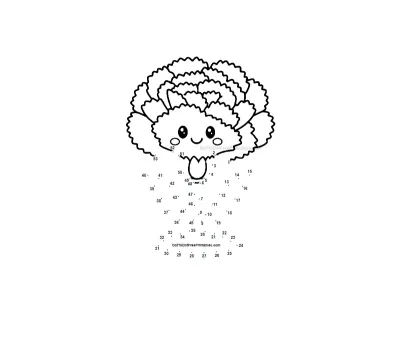
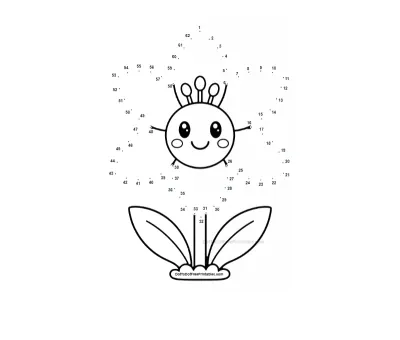
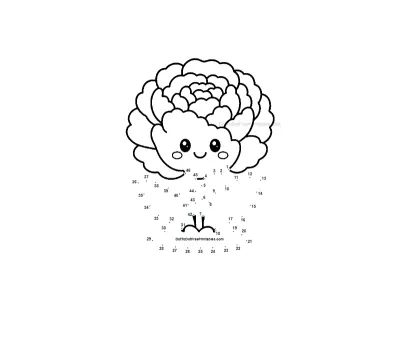
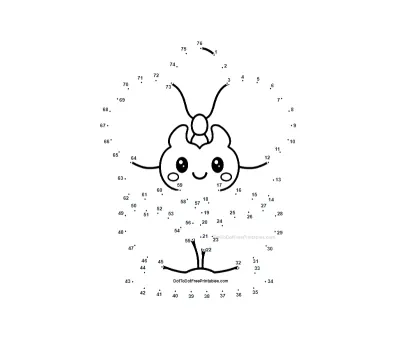
Everything You Need to Know About Flower Dot-to-Dot Printables
Flower Dot-to-Dot Printables for Kids
Flower dot-to-dot worksheets turn number practice into a creative activity. Children follow the numbers in order, connecting one dot to the next until the hidden flower is complete.
Our collection includes many different flowers, from familiar roses and tulips to orchids, lilies, carnations, poppies, lotus flowers, and more. Because the puzzles have different numbers of dots, children can choose a flower activity that matches their counting skills and experience.
Once the dots are connected, the activity does not have to end. These dot-to-dot coloring pages let kids color their completed flower using crayons, colored pencils, or markers.
Each printable is designed to be used again and again. Print an extra copy for a sibling or classmate, or let a child try the same flower a second time to see how much faster and neater their number trail becomes.
Easy and Challenging Flower Connect-the-Dots
Not every child needs the same level of dot-to-dot puzzle. A younger child who is learning number order may enjoy a flower with fewer numbered dots, while an older child may prefer a more detailed picture with many points to connect.
Because the collection spans simple beginner flowers through longer, extreme dot-to-dot pictures, the same set of worksheets can grow with a child. A puzzle that felt challenging in kindergarten can be revisited a year later once counting and pencil control have improved.
Easy Flower Dot-to-Dot Activities
Start with flower puzzles that have fewer dots and clear spaces between the numbered points. These easy connect-the-dots worksheets for kids help children become comfortable connecting numbers in sequence.
Simple flowers like the camellia or buttercup are a good first choice, since their short dot count keeps the picture manageable while still revealing a clear, recognizable bloom.
More Challenging Flower Dot-to-Dot Puzzles
Children who are confident with numbers can try detailed flowers with more dots. Completing a longer number connection puzzle requires concentration and patience, but the final flower picture makes the challenge rewarding.
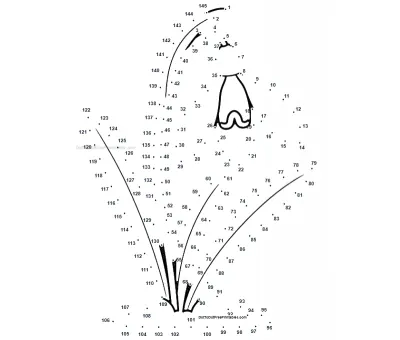
Extreme dot-to-dot flowers, such as the snowdrop with its 145 dots, are best suited to older children who already enjoy the format and want a longer activity to work through.
Benefits of Flower Dot-to-Dot Worksheets
Dot-to-dot activities offer more than simply revealing a hidden picture. As children carefully move from one number to the next, they can practice several useful skills at the same time.
Flower connect-the-dots worksheets can help children practice number recognition and numerical order while also developing pencil control, hand-eye coordination, visual attention, and concentration.
Coloring the completed flower adds another creative activity and gives children an opportunity to make each picture their own.
These same skills are often a focus for children with learning differences or an IEP. Understood.org's guide to fine motor skills explains how activities like tracing and connecting dots support children who need extra practice with hand strength and coordination.
Because each worksheet follows a familiar flower shape, children also build a small amount of botanical knowledge along the way — noticing petal counts, stem shapes, and leaf patterns as they trace them one dot at a time.
The quiet, repetitive nature of connecting numbered dots can also be a calming activity, making these worksheets a useful option for winding down after school or filling a few minutes while waiting.
How to Use Our Flower Dot-to-Dot Printables
Choose a flower your child would like to complete and select a puzzle appropriate for their counting ability. Print the worksheet and begin with number 1.
Draw a line from each numbered dot to the next number in sequence. Continue connecting the dots until the complete flower appears.
After finishing the puzzle, children can color the flower, decorate the background, or even try to identify the flower they have created.
Parents can use these free printable dot-to-dot worksheets for a quiet activity at home, while teachers can incorporate suitable worksheets into lessons, learning centers, or flower and nature-themed activities.
Each puzzle page also includes a step-by-step dot guide, breaking the full number trail into shorter ranges with a hint for what part of the flower is forming next — helpful for a child who loses their place partway through.
Learn About Flowers While Connecting the Dots
These worksheets can also introduce children to different types of flowers. The collection includes roses, tulips, poppies, sunflowers, orchids, lilies, carnations, peonies, jasmine, lotus flowers, and many other varieties.
After completing a puzzle, encourage children to learn something about the flower they have drawn. They might discover what colors the flower can be, where it grows, when it blooms, or whether they can find one growing nearby.
Combining a dot-to-dot puzzle with a simple flower lesson can turn one printable into both a creative and educational activity.
Several puzzles in the collection include a short fun fact about the real flower, along with suggested color schemes based on actual varieties — a small nudge toward looking more closely at the flowers children see in gardens, parks, and books.
Common questions
Frequently Asked Questions About Flower Dot-to-Dot Printables
What free flower dot-to-dot printables for kids can I find here?
This flower collection includes 20 free dot-to-dot puzzles featuring familiar and unusual flowers. Kids can connect the numbered dots to reveal a Rose, Tulip, Lily, Orchid, Lotus, Peony, Poppy, Jasmine, Snowdrop, Kawaii Sunflower, and other flower designs. The puzzles range from the 45-dot Camellia for beginners to the much more detailed 145-dot Snowdrop.
Which flower connect the dots worksheets are best for younger kids?
Younger children can start with flower puzzles that use shorter number sequences. Good examples are the Camellia with 45 dots, Peony with 46 dots, Lotus with 46 dots, Petunia with 53 dots, Carnation with 53 dots, and Kawaii Sunflower with 58 dots. These puzzles are listed for ages 4–8 and provide a gentler introduction to connecting numbered dots.
Are there flower dot-to-dot 1–50 printables?
Yes. Children who are practicing numbers up to about 50 can try the Camellia, which runs from 1–45, or the Peony and Lotus puzzles, which each run from 1–46. These are some of the shortest number sequences in the flower collection and are good starting points before moving to longer puzzles.
Which flower dot-to-dot puzzles are close to 1–100?
Several flower puzzles provide longer number-connecting practice without going far beyond 100. Examples include the Tulip with 88 dots, Flax with 90, Geranium with 92, Plumeria with 95, Nasturtium with 96, and Jasmine with 97. These give children a gradual step up from simpler 40- or 50-dot flower worksheets.
Are there hard flower connect the dots puzzles for older kids?
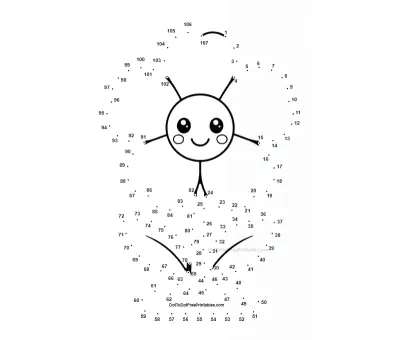
Yes. Older children who want a longer challenge can try the Poppy with 106 dots, Forget-Me-Not with 107 dots, or Snowdrop with 145 dots. The Snowdrop is the most detailed flower dot-to-dot puzzle currently in this collection and is listed for ages 8–12.
What is the easiest flower dot-to-dot puzzle on this page?
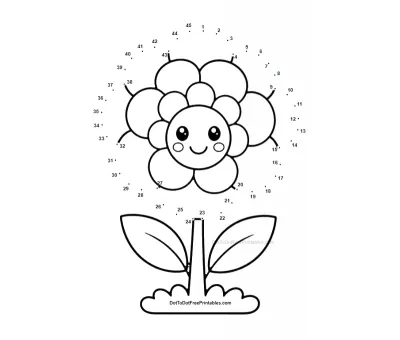
The Camellia is the shortest flower puzzle in the collection, with numbered dots from 1–45. It is listed for ages 4–8. Children who are ready for something slightly longer can move next to the 46-dot Peony or 46-dot Lotus.
What is the hardest flower dot-to-dot printable on this page?
The Snowdrop is the longest flower puzzle on the page, with 145 numbered dots. It is designed as a more complex connect-the-dots activity for ages 8–12, making it a better choice for children who are already comfortable following long number sequences.
Is there a free rose dot-to-dot printable for kids?
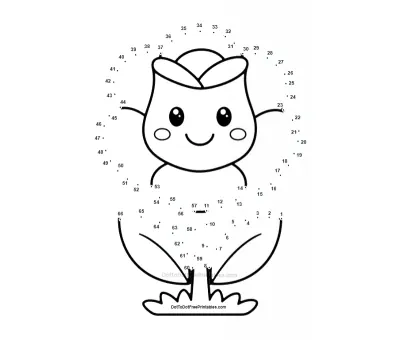
Yes. The Rose Dot-to-Dot uses 66 numbered dots and is listed for ages 5–9. Children connect the numbers to reveal a classic layered rose and can color the completed flower afterward.
Is there a tulip connect the dots worksheet to print?
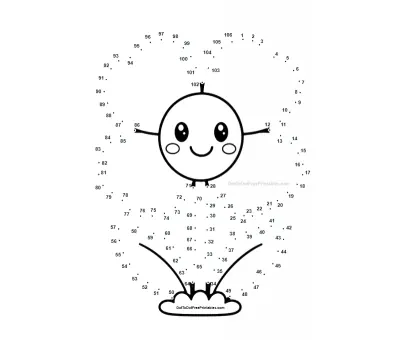
Yes. The Tulip Dot-to-Dot contains 88 numbered dots and is listed for ages 5–9. Connecting the numbers gradually forms a cup-shaped spring tulip, making it a useful choice for a spring, garden, plant, or flower-themed activity.
Do you have a sunflower dot-to-dot coloring page?
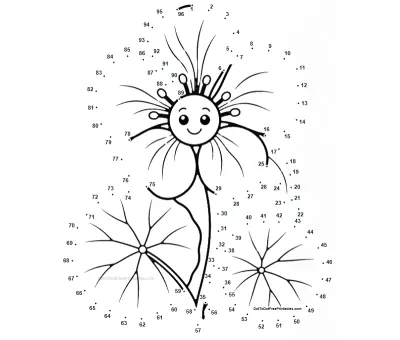
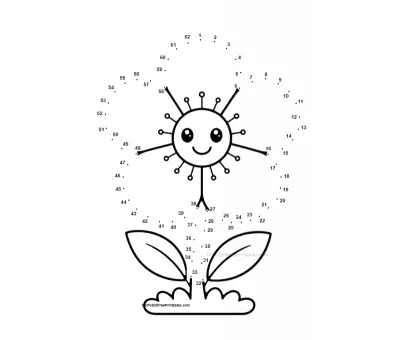
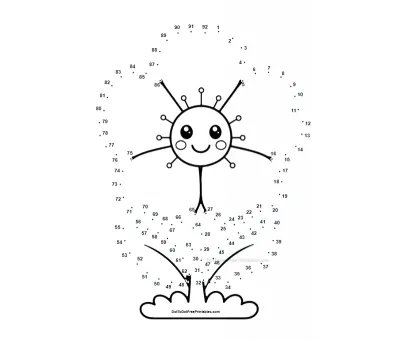
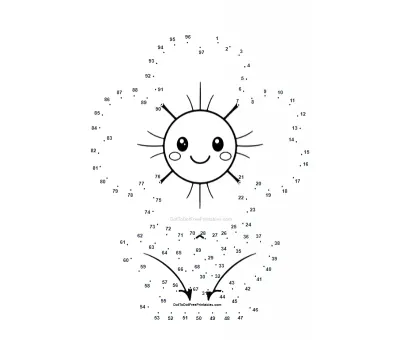
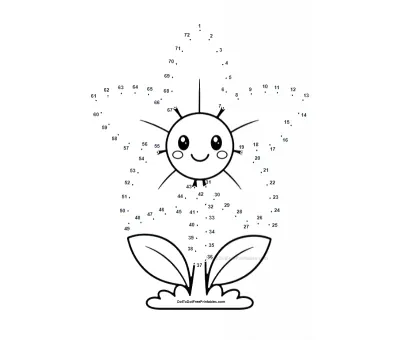
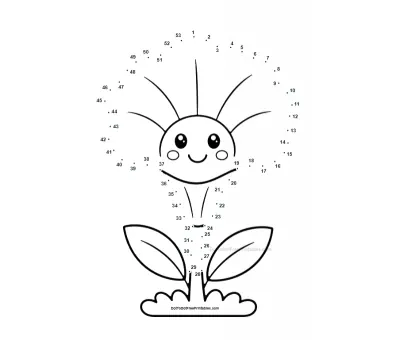
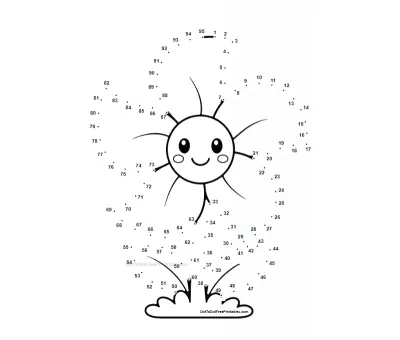
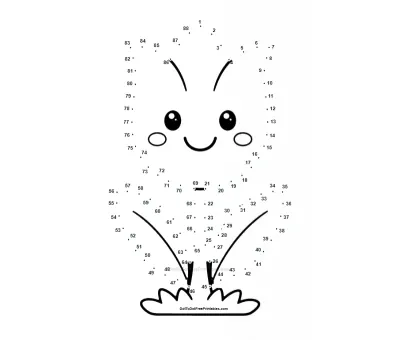
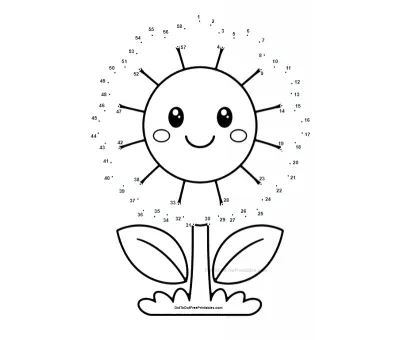
Yes. The Kawaii Sunflower puzzle has 58 numbered dots and is listed for ages 4–8. Kids first connect the dots to reveal the smiling sunflower and can then use the completed picture as a flower coloring page.
Is there an orchid dot-to-dot printable?
Yes. The Orchid Dot-to-Dot contains 76 numbered dots and is listed for ages 6–10. The finished puzzle reveals an orchid with its distinctive flower shape, offering a medium-length challenge between the beginner flower worksheets and the 90-plus-dot puzzles.
Can kids do a lotus flower connect the dots puzzle?
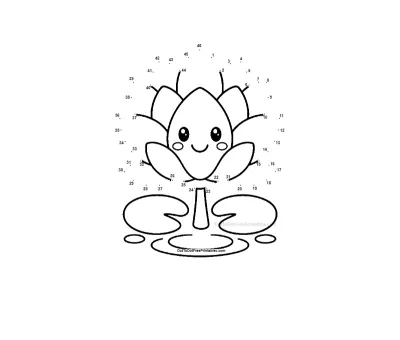
Yes. The Lotus Dot-to-Dot has 46 numbered dots and is listed for ages 4–8. Because it has one of the lowest dot counts in the collection, it can be a good flower puzzle for children who are still getting comfortable with number order and pencil control.
Which flower connect the dots worksheets have around 50 to 70 dots?
Children ready for a moderate number sequence have several choices. Petunia and Carnation each have 53 dots, Kawaii Sunflower has 58, Buttercup and Lily each have 62, and Rose has 66. These provide a natural progression after the 45- and 46-dot beginner flowers.
Which flower dot-to-dot worksheets have around 70 to 90 dots?
The Periwinkle has 72 dots, Orchid has 76, Tulip has 88, and Flax reaches 90 dots. These puzzles are useful for children who have moved beyond shorter number-connecting activities but are not yet looking for the 100-plus-dot flower challenges.
Which flower puzzles have more than 90 numbered dots?
The longer flower puzzles include Geranium with 92 dots, Plumeria with 95, Nasturtium with 96, Jasmine with 97, Poppy with 106, Forget-Me-Not with 107, and Snowdrop with 145. They offer progressively longer number sequences for children who enjoy detailed connect-the-dots activities.
Are these flower dot-to-dot worksheets also coloring pages?
Yes. After connecting the numbered dots, children can color the flower they have revealed. For example, they can complete the 66-dot Rose and choose colors for its layered petals, finish the 88-dot Tulip and color its spring bloom, or connect the 58-dot Kawaii Sunflower before decorating the finished picture.
Which flower dot-to-dot puzzles are good for ages 4–8?
The collection has several puzzles specifically listed for ages 4–8: Camellia with 45 dots, Peony with 46, Lotus with 46, Petunia with 53, Carnation with 53, and Kawaii Sunflower with 58. This gives younger kids multiple flower choices without requiring them to begin with a very long sequence.
Which flower connect the dots puzzles are good for ages 5–9?
Children in the 5–9 age range can choose the 62-dot Buttercup, 62-dot Lily, 66-dot Rose, 72-dot Periwinkle, or 88-dot Tulip. Because their dot counts vary considerably, children can choose a flower that better matches their current counting confidence.
Which flower dot-to-dot puzzles are good for ages 6–10?
There are several longer flower puzzles listed for ages 6–10. They include the 76-dot Orchid, 90-dot Flax, 92-dot Geranium, 95-dot Plumeria, 96-dot Nasturtium, 97-dot Jasmine, 106-dot Poppy, and 107-dot Forget-Me-Not. These provide plenty of choices for children who are comfortable connecting longer number sequences.
How can I choose the right flower dot-to-dot puzzle for my child?
Start with the number range rather than choosing only by the flower picture. A beginner might start with the 45-dot Camellia, 46-dot Peony, or 46-dot Lotus. A child ready for a medium challenge could try the 66-dot Rose, 76-dot Orchid, or 88-dot Tulip. More confident children can progress to the 106-dot Poppy or 107-dot Forget-Me-Not, while the 145-dot Snowdrop provides the longest challenge in this flower collection.