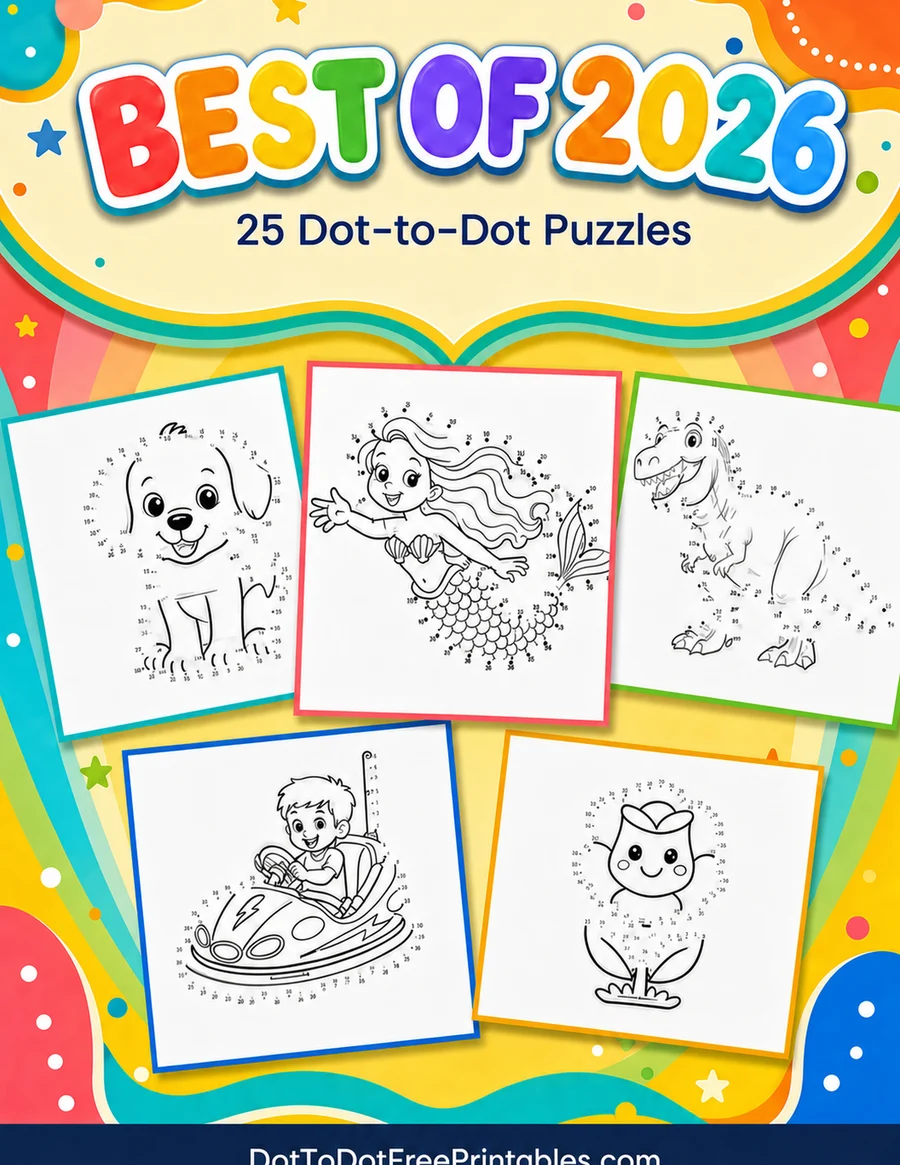
38 puzzles
Free Animal Dot to Dot Printables for Kids
Dinosaurs, ocean creatures, cute pets, circus animals, birds, and woodland friends — every animal dot to dot on the site in one collection. Free printable PDFs for ages 4-10, with dot counts from 35 to 105 for every skill level.
Browse All 38 Animal Puzzles
Animal Dot to Dots
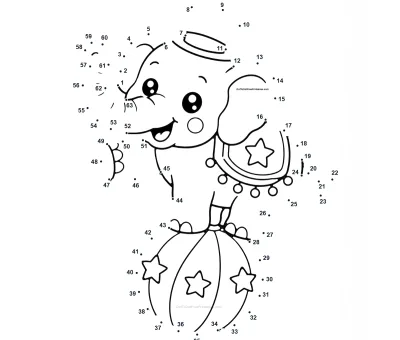
Circus Elephant Balancing on a Ball
Balance a Big-Top Star One Dot at a Time
View & Download
Everything You Need to Know About Animal Dot to Dot Printables
One Page That Gathers Every Animal on the Site
This collection pulls together 38 animal dot to dot printables that are normally spread across six different themes — Dinosaurs, Ocean, Cute, Circus, Canada, and UAE. Instead of hunting through each category, children who just want animals can start here and work straight down the grid.
Every puzzle still keeps its home in its original category, so opening one from this page takes you to the same worksheet a visitor would find under Dinosaurs or Ocean. This page is simply an index of the animals — one place to compare them, choose one, and print.
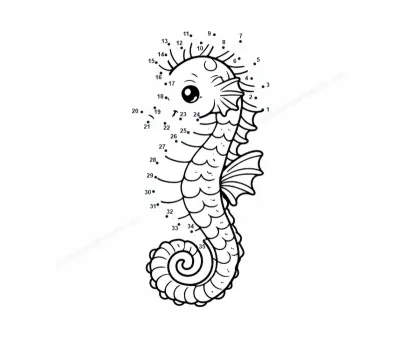
The number trails span a wide range, from the 35-dot Seahorse up to the 105-dot UAE Camel. That spread means the same collection has a sheet for a child still learning to count to 40 and a sheet for one who is comfortable well past 100.
Choose a Number Range Before You Choose an Animal
The quickest way to pick a puzzle is to look at the dot count first and the animal second. A picture a child loves is frustrating if the number sequence is too long, and a trail that is too short ends before the drawing feels rewarding.
Because the animals are grouped only by theme, not by difficulty, the dot counts jump around inside every category. Checking the number on each card first makes it easier to match the worksheet to a child's current counting confidence.
Shorter Trails for New Counters
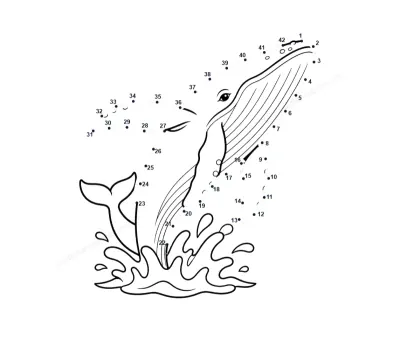
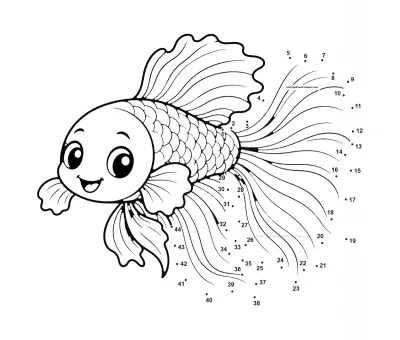
Children who are still building confidence with number order do best with the shortest sheets. The Seahorse has 35 dots, the Whale has 42, and the Betta Fish has 44 — short enough to finish in one sitting while still revealing a clear animal.
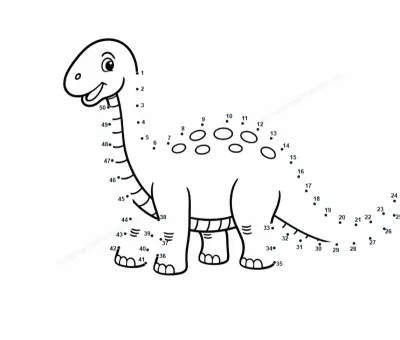
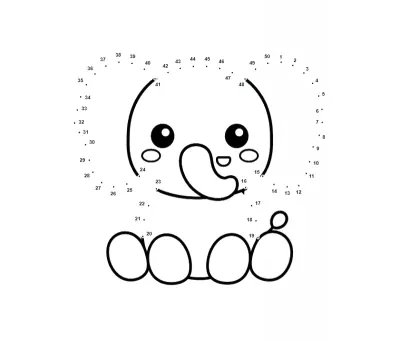
From there, the 50-dot Brontosaurus, 50-dot Blue Tang, and 50-dot Baby Elephant add just a few more numbers without turning the activity into a long task. Several of these are listed for ages 4 to 8.
Longer Trails for Confident Counters
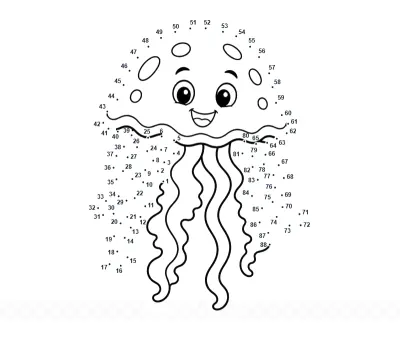
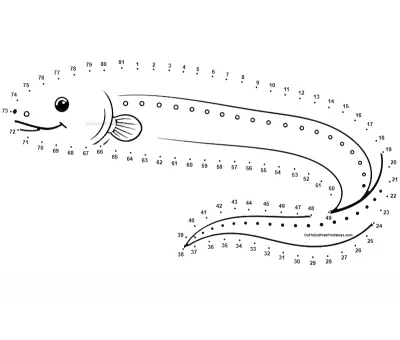
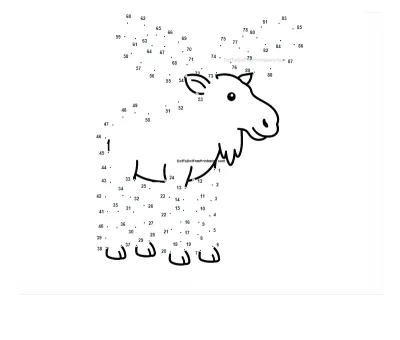
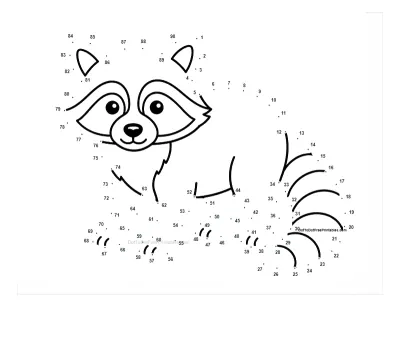
Once a child counts past 80 without losing their place, the collection has plenty of room to grow. The 81-dot Electric Eel, 88-dot Jellyfish, 89-dot Moose, and 90-dot Raccoon each take real concentration to finish.
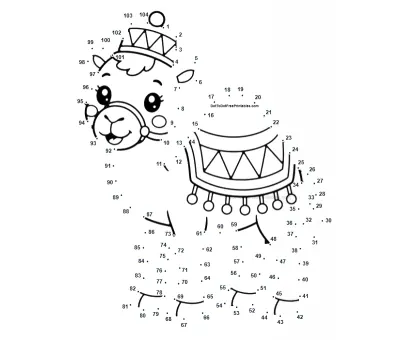
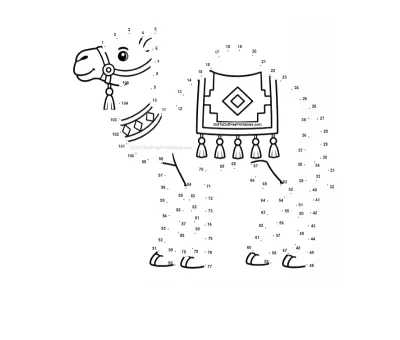
The two longest are the 104-dot Circus Camel and the 105-dot UAE Camel. These are the closest the animal collection comes to a hard dot to dot puzzle, and they suit children who enjoy a picture that takes a while to appear.
Six Kinds of Animal to Connect and Color
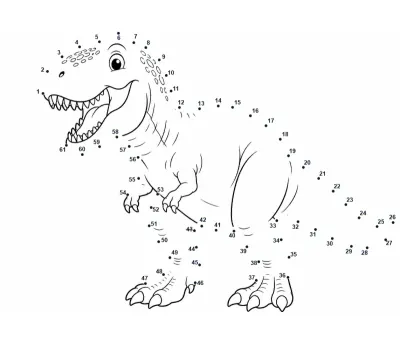
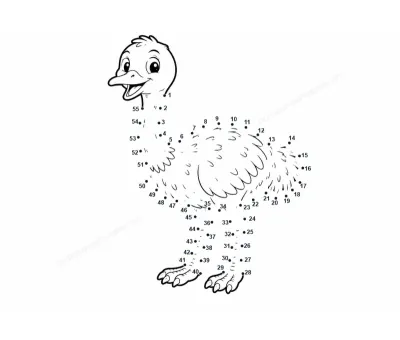
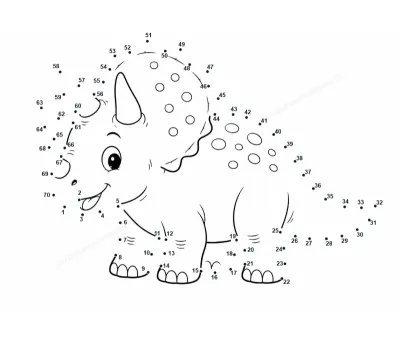
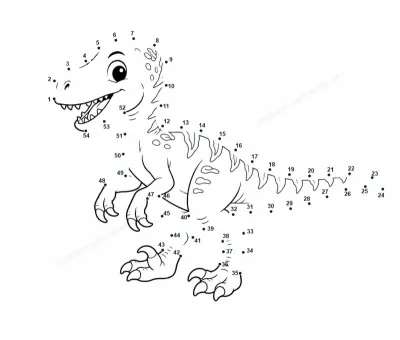
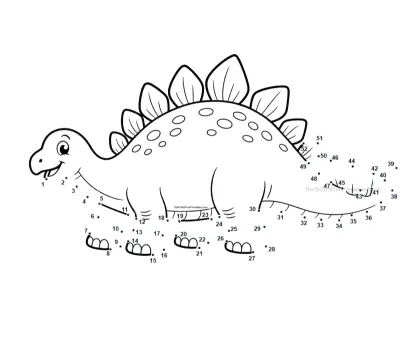
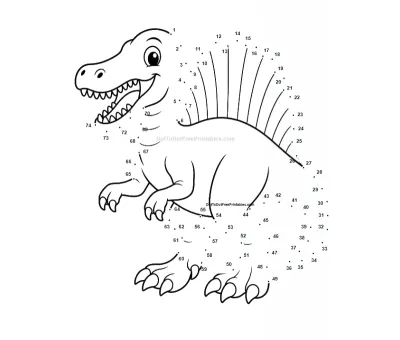
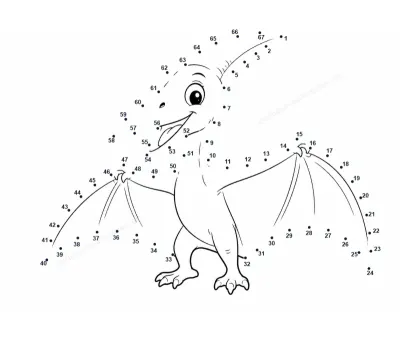
The eight dinosaurs range from the gentle 50-dot Brontosaurus and 52-dot Stegosaurus up to the 61-dot T-Rex, 70-dot Triceratops, and 74-dot Spinosaurus, with a 54-dot Velociraptor, a 67-dot Pterodactyl, and a 55-dot Ostrich alongside them.
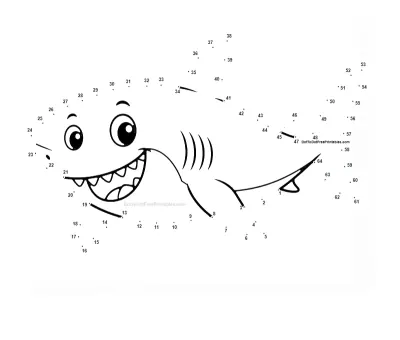
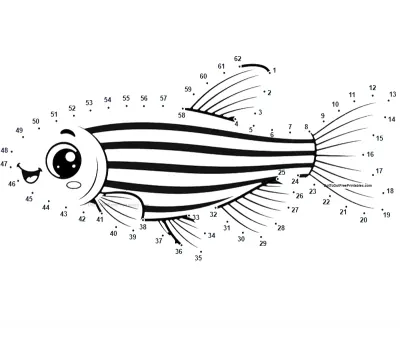
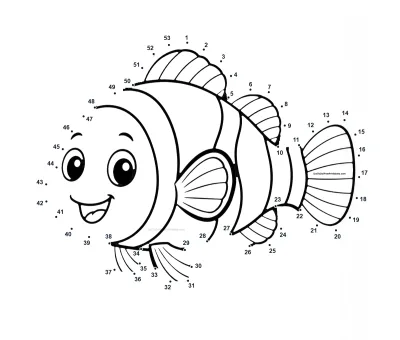
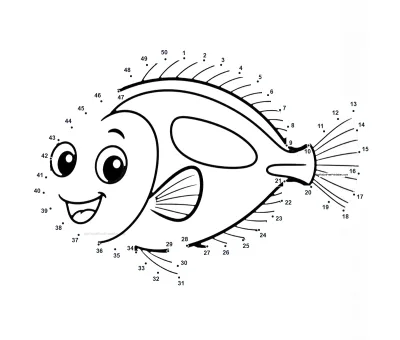
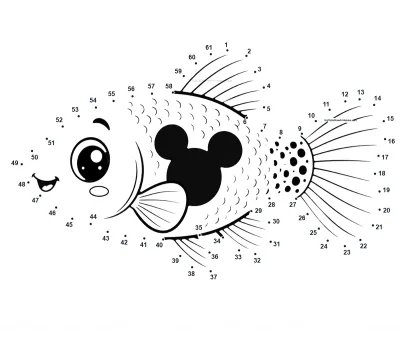
The ten ocean animals cover a 35-dot Seahorse, a 42-dot Whale, and a 64-dot Great White Shark, plus a group of aquarium fish — the Clownfish, Blue Tang, Betta Fish, Zebra Danio, and Mickey Mouse Platy — and a drifting 88-dot Jellyfish.
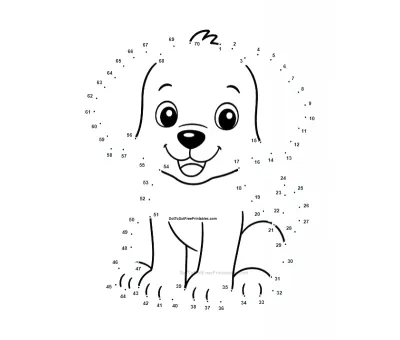
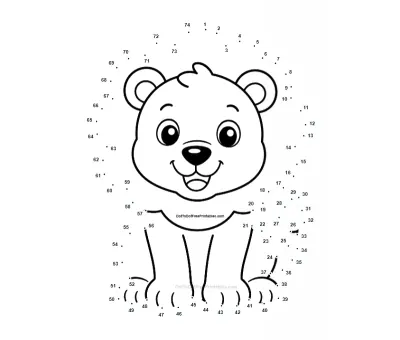
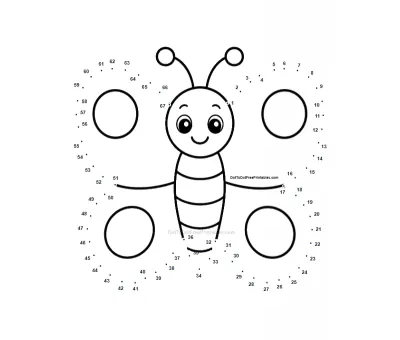
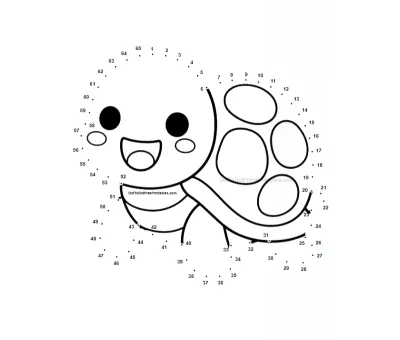
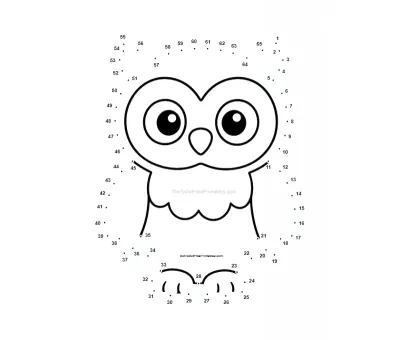
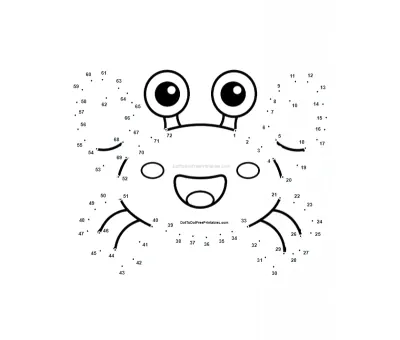
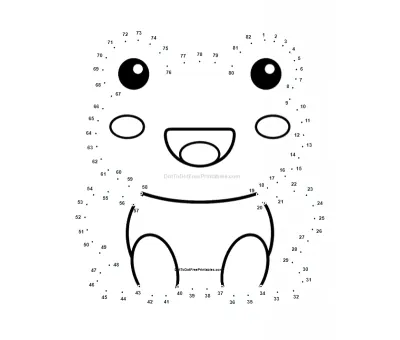
The eight cute animals are friendly, rounded shapes: a 70-dot Puppy, a 74-dot Lion cub, a 65-dot Owl, a 65-dot Baby Turtle, a 50-dot Baby Elephant, a 72-dot Crab, a 67-dot Butterfly, and an 82-dot Happy Frog.
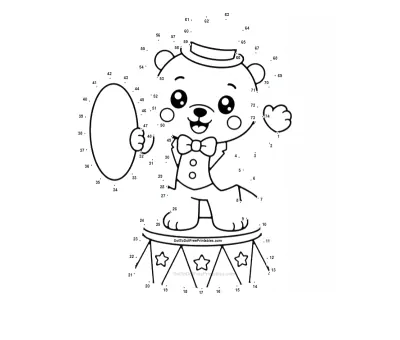
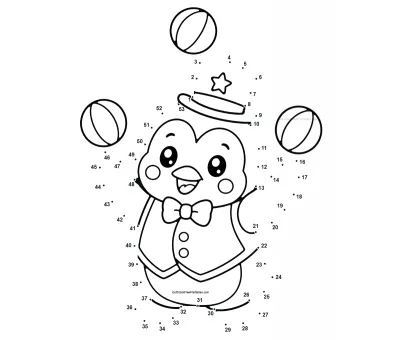
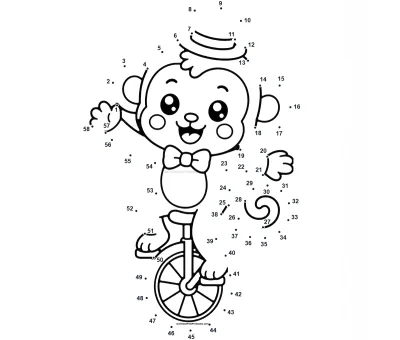
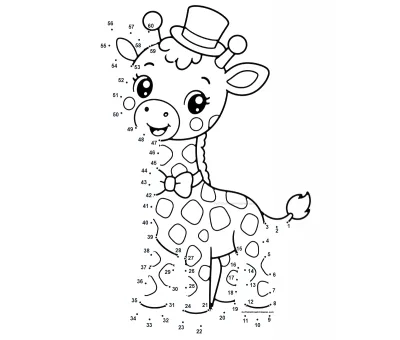
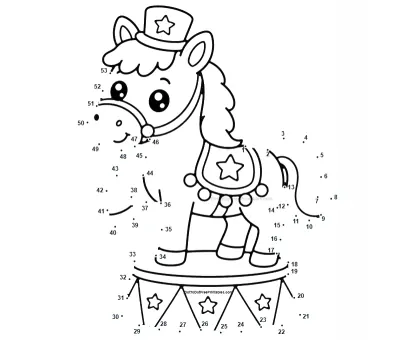
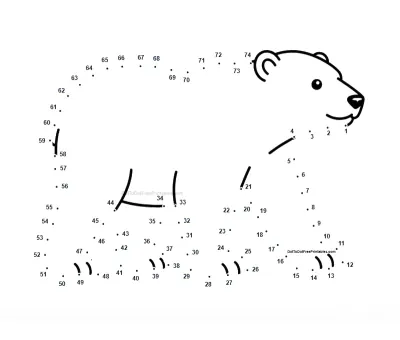
The seven circus animals are all in costume — a Ringmaster Bear, a Penguin, a Giraffe, a Horse, an Elephant balancing on a ball, a Monkey on a unicycle, and the long 104-dot Camel. Rounding out the collection are three Canadian animals, the Polar Bear, Moose, and Raccoon, and two from the UAE, the Falcon and the Camel.
What Children Practice While They Count
Joining numbered dots is quiet counting practice that does not feel like practice. Moving from one number to the next reinforces counting sequence and number recognition, while matching each number to a single point builds one-to-one correspondence.
The pencil work matters just as much. Drawing short, controlled lines and changing direction at each dot strengthens the same hand and finger control children use for handwriting, and following the trail across the page trains visual tracking and sustained attention.
Connecting dots gives children extra practice with number order, visual tracking, concentration, and controlled pencil movements. Pathways.org's articles on fine motor development describes how tracing and connecting activities help build hand strength and coordination.
Because the animal stays hidden until the final dot, finishing the puzzle is its own reward. The picture appearing at the end is what keeps a child counting through a 70- or 80-number trail they might otherwise abandon.
A Bit of Animal Science Along the Way
Because each trail follows a real animal's outline, children pick up small pieces of biology while they count. Joining the dots along a Stegosaurus's plates, a Lion cub's mane, or a Velociraptor's claw draws attention to the features that tell one animal from another.
The dot counts also carry a rough sense of scale: the 35-dot Seahorse and the 105-dot UAE Camel sit only a few inches apart on paper, but the number of dots hints at how much bigger one animal is than the other.
Pairing a finished puzzle with one fact about where the animal lives — Arctic sea ice for the Polar Bear, a coral reef for the Clownfish, a South American river for the Electric Eel — turns a counting sheet into a short habitat lesson.
From Number Puzzle to Coloring Page
Every sheet works twice. First the child connects the dots, then the finished outline becomes a coloring page — stripes on the Clownfish, a mane on the Lion cub, plates down the Stegosaurus's back, or a night sky behind the Owl.
Each puzzle is drawn as high-contrast black line art on a white background, so the free PDF is straightforward to print on any home or classroom printer, in color or plain black and white.
Each individual puzzle page also carries a step-by-step dot guide that breaks the full number trail into shorter ranges, with a short note on which part of the animal is forming next — useful for a child who loses their place partway through. Many pages add a fun fact about the real animal and a few suggested color schemes based on how it actually looks.
Using the Animal Printables at Home and in Class
At home, choose an animal your child wants to complete, check that the dot count matches their counting ability, print the worksheet, and start at number 1. Draw a line from each number to the next until the animal appears, then color it in.
In a classroom, the range of dot counts is the useful part. A teacher can hand the 35-dot Seahorse to one child and the 90-dot Raccoon to another from the same animal theme, so the whole group works on number order, counting, and pencil control at a level that fits each of them.
The sheets suit morning work, early-finisher tasks, fine-motor centers, and quiet time at home. Because each one is a free printable PDF with no sign-up, the same animal can be printed again for a sibling, a classmate, or a second try to see how much neater the number trail becomes.
Common questions
Frequently asked questions
Which animal should a child try first?
The 35-dot Seahorse is the shortest trail in the collection, so it is the usual starting point — the picture appears quickly, which helps a child building confidence with longer sequences reach the reward. The 42-dot Whale and 44-dot Betta Fish are the natural next two.
My child loves the shark but can't count to 64 yet. What is close?
The Great White Shark is a 64-dot puzzle, which is a stretch for a new counter. Stay in the ocean theme with the 42-dot Whale or 50-dot Blue Tang first, then come back to the shark once counting past 60 feels steady.
Are there dinosaurs an early counter can actually finish?
Yes. The 50-dot Brontosaurus and 52-dot Stegosaurus are the gentlest. The 61-dot T-Rex, 70-dot Triceratops, and 74-dot Spinosaurus are longer and suit children who already count comfortably past 60.
What is the single hardest animal here?
The 105-dot UAE Camel, just ahead of the 104-dot Circus Camel. After those, the 90-dot Raccoon and 89-dot Moose are the longest trails. All four reward a child who likes a picture that takes a while to appear.
What is the difference between the two camels?
The Circus Camel (104 dots) wears a patterned hat and a tasseled show blanket and belongs to the big-top set. The UAE Camel (105 dots) is a plain desert camel mid-stride. They are almost the same length, so choose by which scene the child prefers.
We just finished one puzzle — what next?
Move up by about 10 to 15 dots. A child who finished the 50-dot Baby Elephant is usually ready for the 61-dot T-Rex or 65-dot Owl, then the 74-dot Lion cub or 82-dot Happy Frog, and later the 88-dot Jellyfish.
Do these teach children anything real about the animals?
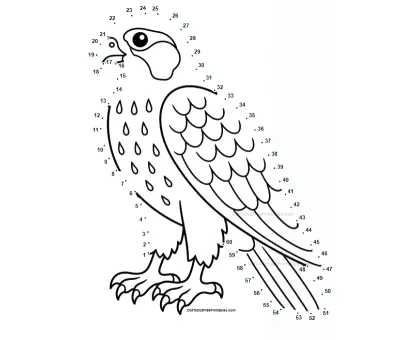
Some do. The Ostrich puzzle notes it is the largest living bird and can sprint faster than a horse; the Spinosaurus was bigger than T-Rex and hunted fish in rivers; the Polar Bear is built for life on Arctic sea ice; and the Falcon is the national bird of the UAE.
Which animals make the best coloring pages once the dots are joined?
The ones with clear markings: orange-and-white stripes on the Clownfish, a mane on the Lion cub, the double row of plates down the Stegosaurus's back, the Raccoon's ringed tail and face mask, or a dark night sky behind the Owl.
Can two children of different ages work on the same theme together?
Yes — that is what the spread of dot counts is for. In the ocean set, one child can do the 35-dot Seahorse while another does the 88-dot Jellyfish. In the circus set, the 53-dot Penguin sits next to the 104-dot Camel.
How high does my child need to count for each theme?
Roughly: dinosaurs 50 to 74, ocean 35 to 88, cute animals 50 to 82, circus 53 to 104, the Canadian animals 74 to 90, and the UAE animals 60 to 105. Every theme has a shorter and a longer option.
Is there an animal puzzle for a child still learning numbers to 20?
Not on its own — the shortest trail is 35 dots. A child counting to about 20 can join the first stretch of the Seahorse with an adult and finish the rest together, then come back to do it alone in a few months.
Which puzzles show an animal in costume rather than plain?
The whole circus set: the Ringmaster Bear, the Penguin, the Giraffe and Horse in their hats, the Elephant balancing on a ball, the Monkey on a unicycle, and the Camel in a show blanket. The dinosaurs, ocean animals, and Canadian animals are all drawn plain.
How do the Brontosaurus and Spinosaurus puzzles compare?
The Brontosaurus is a 50-dot puzzle built from one long, smooth curve for the neck and tail, listed here for ages 4 to 7. The Spinosaurus is 74 dots and traces a tall back sail and a narrow snout, so it suits ages 6 to 10 who are counting past 70. Same dinosaur theme, two counting levels.
Are there any woodland or night-time animals?
Yes. The 65-dot Owl is the night animal, and the 89-dot Moose and 90-dot Raccoon are the woodland ones, drawn from the Cute and Canada themes. The Raccoon's ringed tail and the Owl's round eyes give a little more to trace and then color.