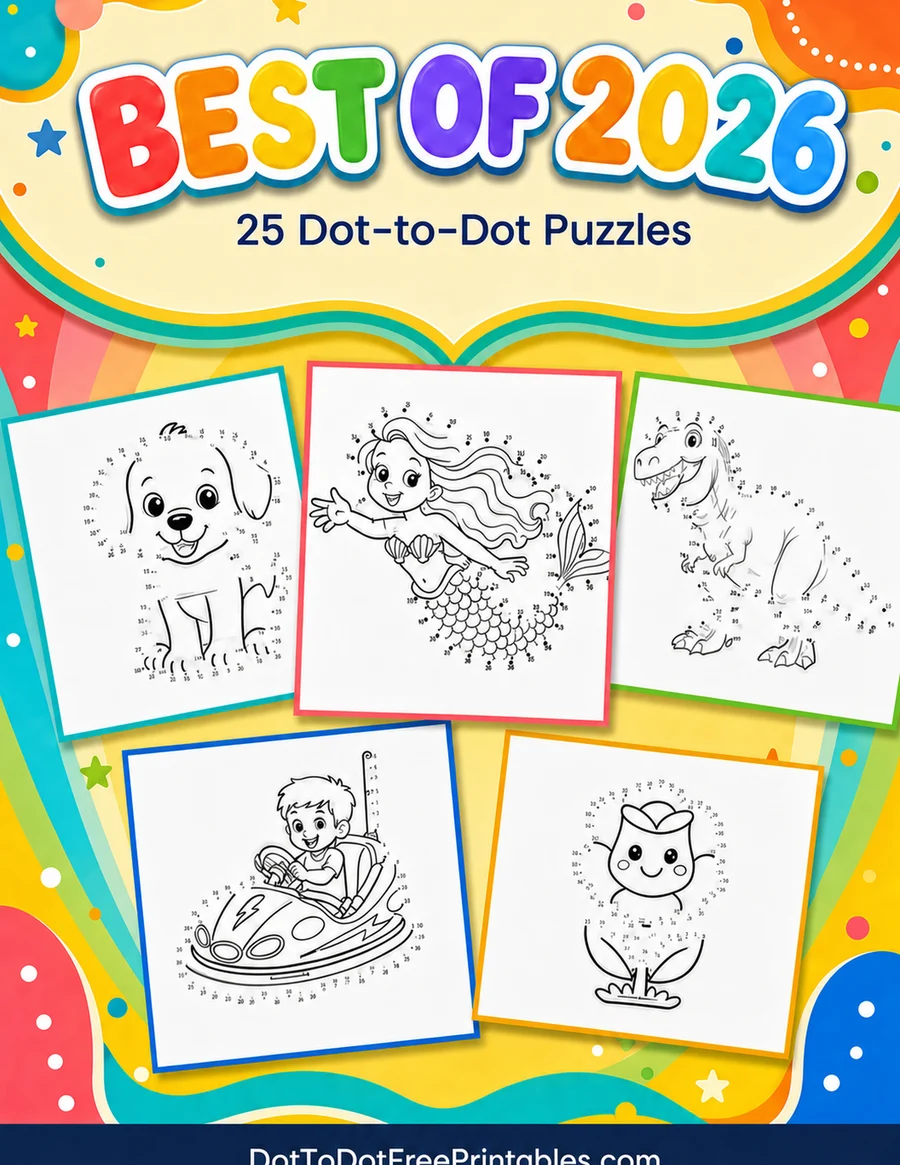
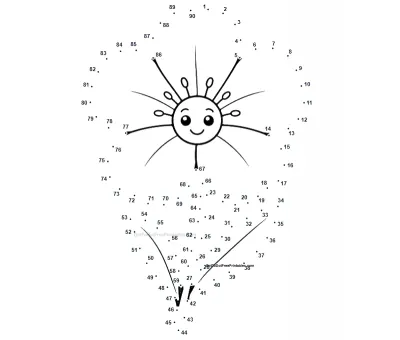
Flowers
Orchid Dot to Dot Printable — Trace 76 Dots Free
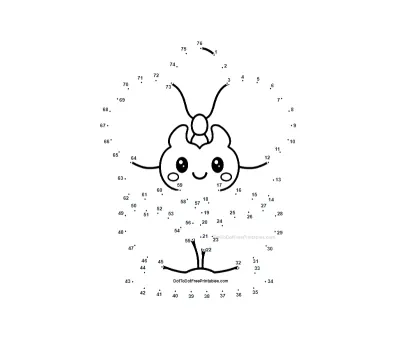
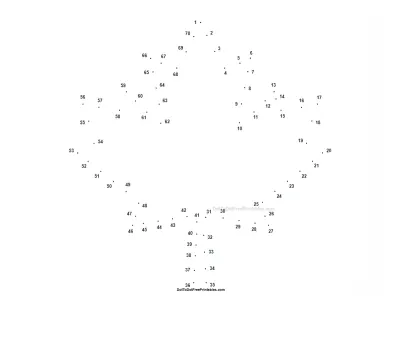
Connect 76 dots to reveal a graceful orchid flower. This medium printable helps children practice number sequencing, pencil control, visual tracking, patience, and concentration.
Difficulty
Medium
Fun fact: Orchids grow on every continent except Antarctica, and their flowers come in an extraordinary variety of shapes, sizes, and colors.
Free for home and classroom use.
No sign-up needed. Opens as a PDF. Print on US Letter (8.5 × 11 inch) or A4 paper. Free for home and classroom use.
Flowers
You might also like
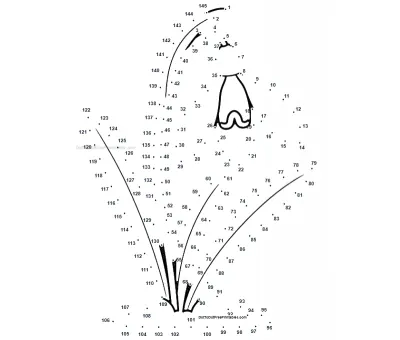
Ages 5–8 — Medium


How to Solve the Orchid Flower Dot-to-Dot Puzzle
Orchids are one of the most successful flowering plant families on Earth, growing wild on every continent except Antarctica and producing an almost bewildering variety of shapes, sizes, and colors along the way. This 76-dot puzzle grows an elegant orchid bloom into a complete flowering plant across five stages. Find dot 1 at the upper petals and work your way through this detailed, elegant flower.
1–15 — The Upper Petals
Connect dots 1 through 15 to shape the orchid's broad upper petals. Follow each gentle curve carefully and pause to find the next number before drawing, since the petals overlap in an unusual way.
Fun fact!
Many orchid flowers have three petals and three sepals arranged around their center, a structure shared across the whole orchid family.
Many orchid flowers have three petals and three sepals arranged around their center, a structure shared across the whole orchid family.
16–30 — The Flower Center
Continue from dot 16 to dot 30 around the detailed middle of the bloom. Short, careful pencil strokes will help keep this special shape neat, since it's the most intricate part of the flower.
Fun fact!
An orchid's distinctive central petal is called the lip, and it often helps guide pollinating insects toward the flower's hidden nectar.
An orchid's distinctive central petal is called the lip, and it often helps guide pollinating insects toward the flower's hidden nectar.
31–46 — The Lower Bloom
Follow dots 31 through 46 to complete the lower petals and the full outline of the flower. Notice how the overlapping curves make the orchid look delicate and balanced.
Fun fact!
Some orchid flowers are tiny enough to fit on a fingertip, while others can grow much larger than a hand.
Some orchid flowers are tiny enough to fit on a fingertip, while others can grow much larger than a hand.
47–61 — The Slender Stem
Trace dots 47 through 61 down the orchid's slender stem. These longer connections are good practice for steady pencil control across a bigger stretch.
Fun fact!
Many orchids store water and nutrients in thickened stems or roots, helping them survive between rainfalls.
Many orchids store water and nutrients in thickened stems or roots, helping them survive between rainfalls.
62–76 — The Leaves and Finish
Connect dots 62 through 76 to add the leaves and complete the picture. Check that every number is joined before choosing your favorite colors.
Fun fact!
Orchid leaves are often thick and glossy, which helps the plant hold onto moisture in dry conditions.
Orchid leaves are often thick and glossy, which helps the plant hold onto moisture in dry conditions.
Your orchid is blooming! Color it purple, pink, white, yellow, or invent a bright spotted variety of your own. Explore more free flower dot-to-dot printables to keep the fun going.
Coloring Guide
Classic White Phalaenopsis
The traditional Phalaenopsis, or moth orchid, has pure white petals with a contrasting pink lip at the center, the most classic orchid look.
- 1–15 (Upper petals): Crayola Silver (outline only) — Classic Phalaenopsis orchids bloom in pure, elegant white.
- 16–30 (Flower center): Crayola Carnation Pink — The central lip of a white Phalaenopsis is traditionally a contrasting pink.
- 31–46 (Lower bloom): Crayola Silver (outline only) — The lower petals match the white of the upper petals.
- 47–61 (Slender stem): Crayola Forest Green — Orchid flower spikes are slender and slightly arching.
- 62–76 (Leaves and finish): Crayola Green — Orchid leaves are thick, broad, and glossy.
Magenta Phalaenopsis
Modern breeding has produced real Phalaenopsis orchids in vivid magenta and purple-red, popular for their bold, luxurious look.
- 1–15 (Upper petals): Crayola Magenta — Vivid magenta is a real, modern Phalaenopsis color.
- 16–30 (Flower center): Crayola Purple Heart — A deeper purple lip adds contrast at the center.
- 31–46 (Lower bloom): Crayola Magenta — The lower petals share the same bold magenta tone.
- 47–61 (Slender stem): Crayola Forest Green — The flower spike stays the same slender green in every color form.
- 62–76 (Leaves and finish): Crayola Green — Broad glossy leaves complete this vivid variety.
Golden Yellow Phalaenopsis
Yellow Phalaenopsis orchids are a real and cherished color form, often given to wish someone luck, happiness, and success.
- 1–15 (Upper petals): Crayola Dandelion — Golden yellow is a real, sought-after Phalaenopsis color.
- 16–30 (Flower center): Crayola Orange — A warm orange lip adds contrast at the center of the bloom.
- 31–46 (Lower bloom): Crayola Dandelion — The lower petals match the golden yellow of the upper petals.
- 47–61 (Slender stem): Crayola Forest Green — The same slender green spike supports every Phalaenopsis color.
- 62–76 (Leaves and finish): Crayola Green — Glossy green leaves finish this cheerful yellow variety.
Why Is the Orchid Flower Dot to Dot Printable Rated Medium?
The Orchid Flower is rated medium. Of its 76 dots, 41 run in straight lines, with 16 curved, 11 zigzag and 8 sharp-turn dots. The stretches to slow down for are upper petals at dots 14–15 and flower center at dots 28–29. Follow the numbered order even when another dot looks nearer, and check the next number before each curve.
Straight
41 dots · 54%
Easiest — join two dots with one straight pencil stroke.
Curved
16 dots · 21%
1415
Zigzag
11 dots · 14%
Quick in-and-out changes of direction. Good counting practice.
Sharp turns
8 dots · 11%
The hardest bits — tight corners where the line doubles back.
We traced all 76 dots on this exact worksheet by hand to write this — not a generic guess.
Key Sections to Know
Every notable stretch of the path, dot by dot.
| Dot Range | Pattern | Why It Matters |
|---|---|---|
| 1415 | Curved | Dots 14–15 round off upper petals — connect them one at a time so the arc stays even. |
| 2829 | Curved | The outline swings around flower center here; take dots 28 to 29 in short strokes. |
| 4950 | Curved | A gentle curve shapes slender stem across dots 49–50. Spot dot 50 before you commit to the line. |
| 6263 | Curved | Follow leaves as it curls from dot 62 to dot 63, easing the line rather than snapping it. |
Bottom line: The Orchid Flower dot to dot is medium rated — 75% smooth lines with no tricky spots to watch for.