35 puzzles
Even Numbers Dot to Dot Printables
Free even numbers dot to dot PDFs: connect 2, 4, 6, 8… to reveal 35 pictures with 45 to 145 dots. Print in A4 or US Letter.
Browse all 35 Even Numbers dot to dot puzzles
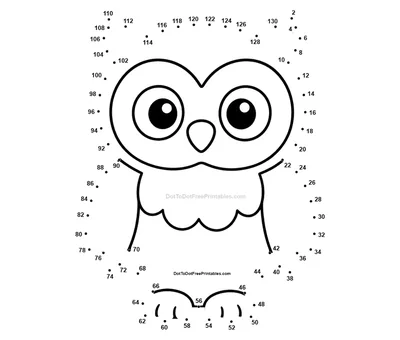
Cute
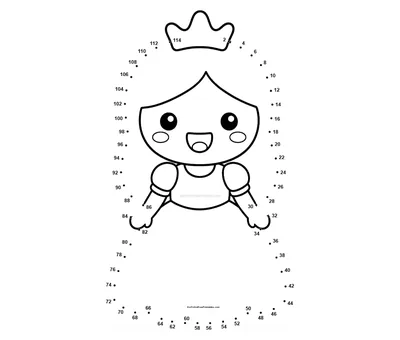
Flowers
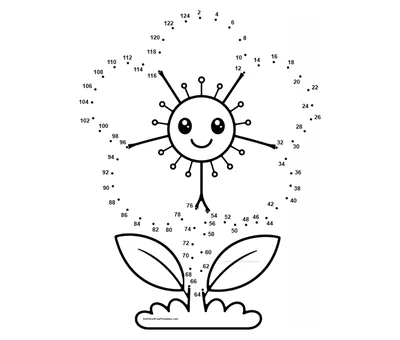
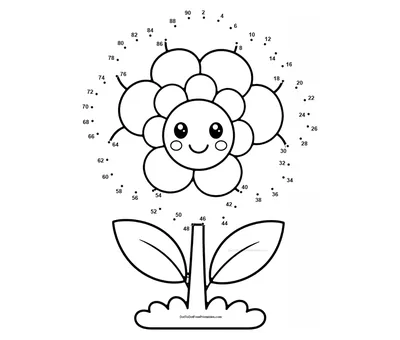
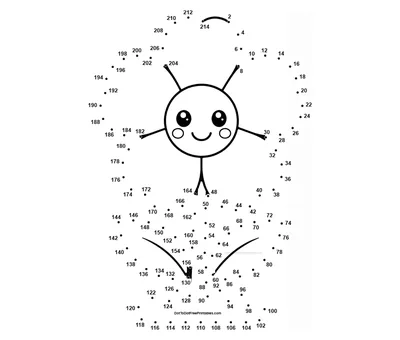
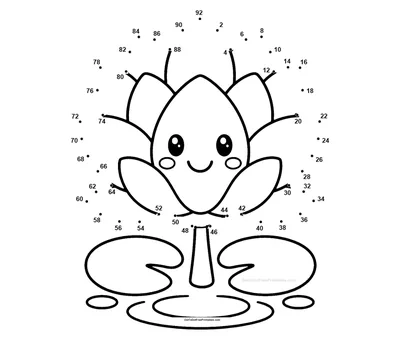
Halloween
Canada
Playgrounds
Circus
Dinosaurs
Planes
Space
Vehicle Dot to Dots
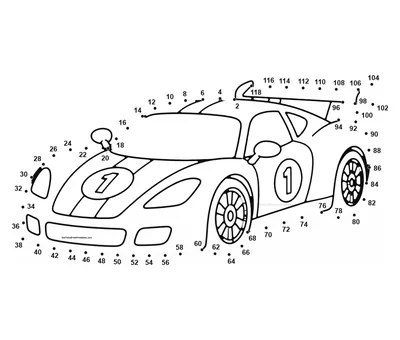
Even Numbers dot to dot: a guide for parents and teachers
Follow the Pattern to Reveal a Picture
Even Numbers dot to dot printables are picture puzzles in which each dot carries a number from one pattern instead of 1, 2, 3. Start at 2, then 4, 6, 8 and on in steps of two. Each correct connection adds part of the drawing, and the finished outline is ready to colour.
This page gathers the Even Numbers versions of 35 pictures. Open a card and choose its Even Numbers Version.
The Pattern and How to Check It
An even number can be split into two equal groups with nothing left over. The labels are 2, 4, 6, 8, 10, 12 and so on: the first dot is 2, the second is 4, and dot number n is labelled 2n.
Every even number ends in 0, 2, 4, 6 or 8, so a quick look at the last digit is enough to check a label. If a learner finds a label ending in 1, 3, 5, 7 or 9, it belongs to the odd family.
What the Sheets Practise
These sheets give practice in skip counting by twos, recognising even numbers and keeping a pattern going across a whole page of dots.
The sheets do not teach calculation or replace a lesson. Explain the idea first, then let the dots give the practice. Common Core asks Grade 2 pupils to decide whether a group of up to 20 objects is odd or even.
Choosing a Picture
Pictures in this collection run from 45 to 145 dots, so there is a sheet for a short sitting and one for a long one.
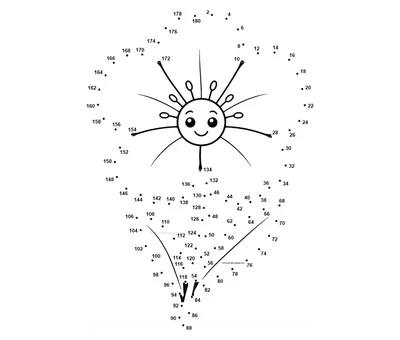
Shorter trails include Camellia Flower (45 dots, ending at 90) and Lotus Flower (46 dots, ending at 92).
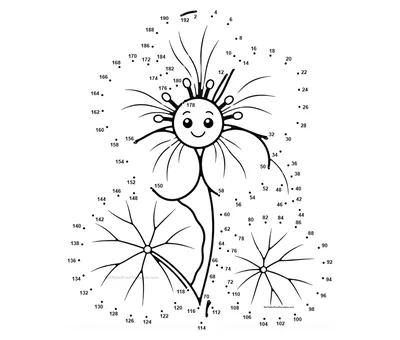
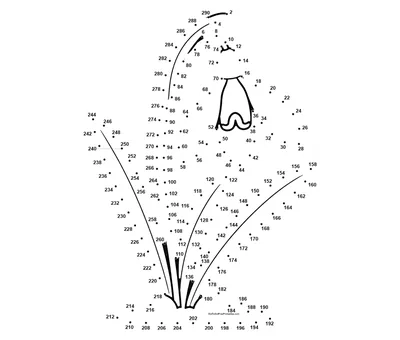
For a long sitting, try Forget-Me-Not Flower (107 dots, ending at 214) and Snowdrop Flower (145 dots, ending at 290).
How to Start
Say the beat aloud, "2, 4, 6, 8", while pointing at each dot. For a game, ask the learner to say the next two labels before finding them on the page.
Write the first labels on a strip of paper and keep it beside the page. Make the first few connections together, and when the learner stops, ask what comes next before helping.
A Walk Through the Pictures
The quickest way to choose an even sheet is to know where each trail ends, because the last label is always double the dot count. The Camellia Flower is the gentlest start: 45 dots, finishing at 90, so a learner never reaches three-digit numbers. The Lotus Flower is almost the same length and ends at 92.
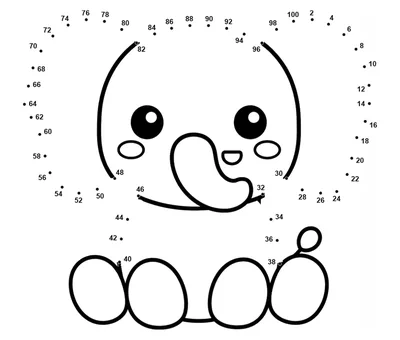
The Cute Baby Elephant has a lovely finish. It has exactly 50 dots, so the final label is 100. Reaching a round hundred on the last dot is a small celebration, and it is a good first sheet for a child who has just learned to count to 100 in twos.
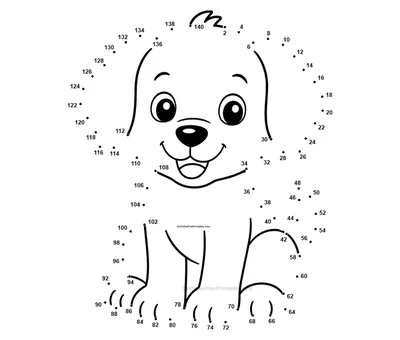
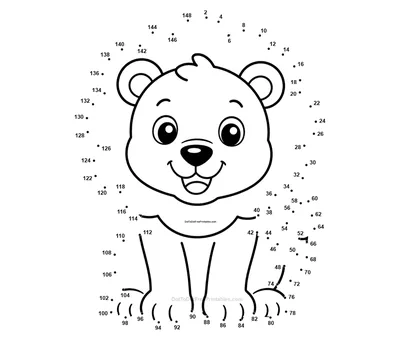
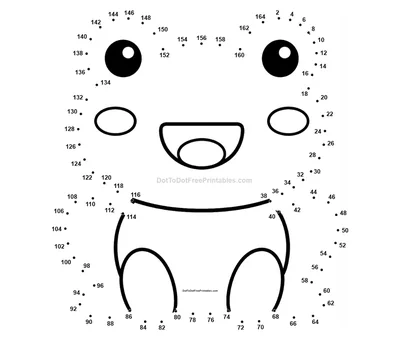
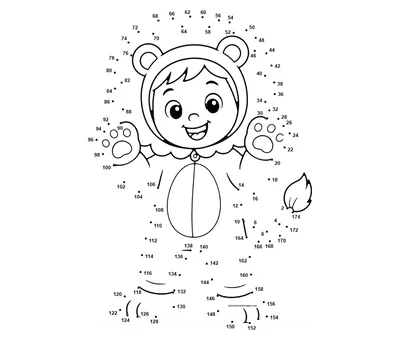
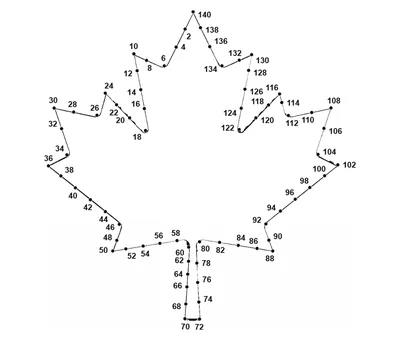
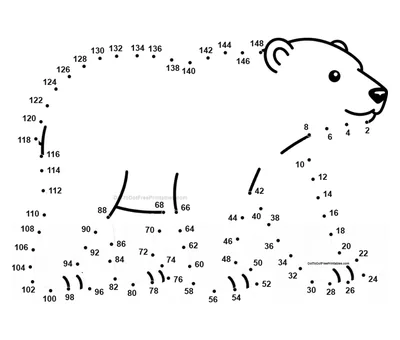
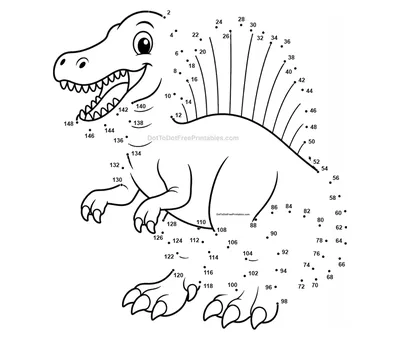
Some pictures share an ending, which makes a neat challenge for two children working side by side. The Cute Puppy and the Maple Leaf both stop at 140. The Spinosaurus, the Cute Lion and the Polar Bear all have 74 dots and end at 148: three very different drawings built from exactly the same list of numbers.
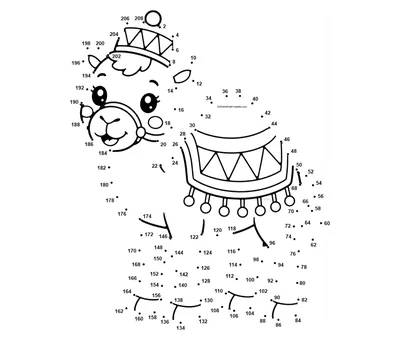
For confident counters, the Circus Camel crosses the 200 line and ends at 208. The longest trail in the collection is the Snowdrop Flower, with 145 dots finishing at 290. Save it for a rainy afternoon, or split it over two sittings with a pencil mark where you stopped.
Landmarks Along the Trail
Even trails have built-in signposts. Every fifth dot lands on a multiple of ten: dot 5 is 10, dot 10 is 20, dot 25 is 50 and dot 50 is 100. Before starting, ask the learner to find these "round" labels on the page and lightly circle them. They become checkpoints, and if the line reaches a circled number at the wrong moment, a dot has been missed.
Another landmark is the halfway point. Halve the last label and you have the number in the middle of the drawing. On the Cute Puppy, which ends at 140, the halfway label is 70, on dot 35. Children enjoy predicting how much of the picture will be visible at that moment, then checking.
Finally, look at the last digits. On an even sheet they cycle 2, 4, 6, 8, 0 and start again, five steps for every ten. Learners who notice this cycle can scan a cluster of dots and pick the next label by its last digit alone, which is a real skill for later work with larger numbers.
Five Games for an Even Sheet
Race to 100. Print two copies of the Cute Baby Elephant. Players take turns rolling a die and may draw that many lines. The first to reach the label 100 wins, but every label must be read aloud as it is reached.
Dot detective. Before handing over a sheet, cover three labels with small stickers. The learner works out each hidden number from its neighbours, writes it on the sticker, then peels it off to check.
Clap and skip. Count from 1 aloud together, whispering the odd numbers and clapping on the even ones. Then draw, saying only the clapped numbers. It turns the abstract idea of "every other number" into a rhythm the body remembers.
Color the finish. When the picture is done, color one part for each even number the learner can say without looking.
Same ending, different picture. Give one child the Cute Lion and another the Polar Bear. Both finish at 148. Ask them to call out every tenth label as they reach it and see who is ahead.
Common Slips and Gentle Fixes
Jumping by ten. After 18 comes 20, and some learners carry on to 30. If a line suddenly crosses the page, read back the last three labels aloud: "16, 18, 20…", and the next one usually becomes obvious.
Swapping digits. 68 and 86 look alike to a young reader. Point at the tens digit first, then the ones digit, and say the number slowly.
Counting by ones. A child used to ordinary dot to dots may hunt for 3 after 2. Keep a strip of paper beside the page with the first ten labels written on it until the pattern feels natural.
None of these slips means the sheet is too hard. A wrong line often looks out of place in the drawing, and reading the labels back finds it quickly. Finding one is itself useful practice.
Taking the Idea Further
Once a sheet is finished, the labels are a ready-made number line. Ask what happens when you add two even labels (the answer is always even) and when you add an even label to an odd number (always odd). Try a few with numbers from the page and see whether the rule ever breaks.
Even numbers are also the doubles. The label on dot 23 is 46, which is 23 doubled; halving 46 brings you back to the dot number. This makes the even sheets a gentle bridge to halving and to sharing into two equal groups, which children meet everywhere from snack time to sports teams.
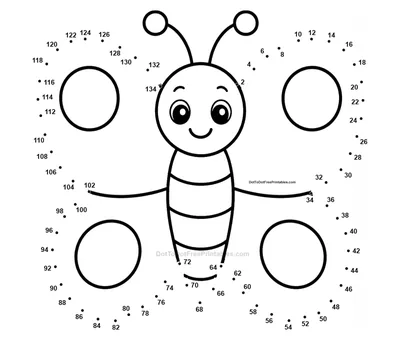
Look for pairs in everyday life, too: shoes, gloves, wheels on a bicycle, wings on the Cute Butterfly. Every collection of pairs has an even total, and spotting that link helps the word "even" mean something beyond a worksheet.
A Five-Day Even Numbers Plan
Day 1: short and steady. Start with the Camellia Flower (ending at 90). Say every label aloud. The aim is simply to feel the beat of counting in twos.
Day 2: the hundred. Draw the Cute Baby Elephant and celebrate dot 50, labelled 100. Before starting, ask the learner to predict the last number; doubling 50 is a nice warm-up.
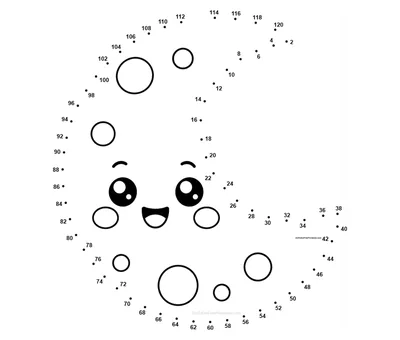
Day 3: checkpoints. On the Crescent Moon, circle every multiple of ten first, then draw from checkpoint to checkpoint. It ends at 120.
Day 4: past the hundred. The Cute Puppy runs to 140. Three-digit labels are new for many children, so read the first few together: "one hundred and two, one hundred and four".
Day 5: free choice. Let the learner pick any picture from the grid above and predict its end number from the dot count on the card before printing. Choosing is part of the fun, and predicting the finish is the doubling skill in action.
Using Even Sheets in the Classroom
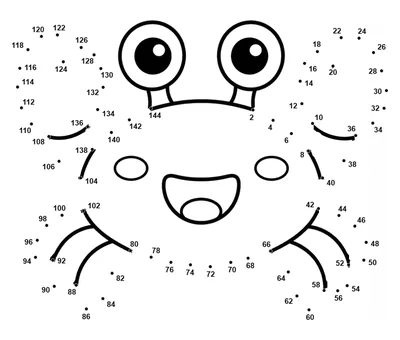
Even sheets work well as a calm maths station or a fast-finisher task. Because every picture in the collection uses the same rule, a whole class can work on different drawings and still talk about the same mathematics. A child on the Cheerful Crab and a child on the Circus Camel are both practising the twos, at different lengths.
For mixed groups, hand out shorter pictures to learners who are still building confidence and the long trails to those who want a stretch. Ask everyone to write their end number at the top of the page before they begin, then check it at the end. That one prediction is the most useful piece of maths on the sheet, and it is easy to mark at a glance.
Finished pictures also make a cheerful display. Pin them up with the end number written underneath, and ask the class to spot which pictures share an ending and why.
How These Sheets Were Checked
Every even sheet is made from the original picture and its tested connection order; only the labels are recalculated. The label on dot n is 2n, so the end numbers quoted on this page come straight from each picture's dot count rather than from guesswork. If you find a label that does not follow the pattern, please tell us using the report link below so we can correct it.
Printing the Free PDF
Open the chosen puzzle, select Even Numbers Version and download the PDF for A4 or US Letter. Print at actual size (100%) rather than from a screenshot.
About This Guide and Reporting a Problem
The Even Numbers Version keeps each picture and its connection order, replacing the numbers 1, 2, 3 with the labels of this pattern. The end label on this page is calculated from the pattern and each puzzle's dot count.
This guide was prepared with AI-assisted drafting and editing. Read about the project on our About page and see our editorial policy.
If a label or download looks wrong, report the problem with the puzzle URL and the version name, Even Numbers Version.
FAQ
Even Numbers worksheet FAQs
Is zero an even number? Why is it not on the sheet?
Zero is even: it splits into two equal groups of nothing. It is left off because a first dot labelled 0 tends to confuse young learners, so every trail starts at 2.
How can a child tell that a big label like 136 is even?
Look only at the last digit. If it is 0, 2, 4, 6 or 8, the whole number is even, however long it is. Learners can check a three-digit label in a second.
What number does the last dot show?
Double the dot count. A 60-dot picture ends at 120 and a 100-dot picture ends at 200, so you can check the end before you start.
Is this the same as the 2 times table?
Yes, in order. Dot 7 is 7 × 2 = 14 and dot 12 is 12 × 2 = 24, so these sheets are a quiet way to practise the twos without a list of sums.
My child skipped a dot. How do we find the mistake?
Read the labels backwards in twos from where the line went wrong. The mistake is the first step bigger than 2, or a line that cuts across the drawing.