33 puzzles
Skip Counting by 5s Dot to Dot Printables
Free printable skip counting by 5s dot to dot worksheets: join the dots 5, 10, 15, 20… to reveal 33 pictures. Download the PDF in A4 or US Letter.
Browse all 33 Skip Counting by 5s dot to dot puzzles
Cute
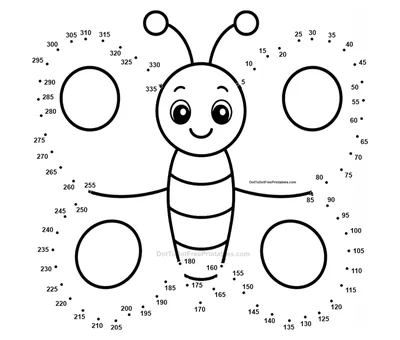
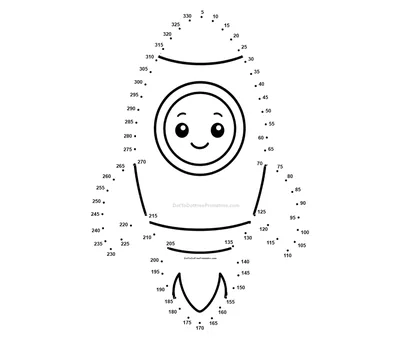
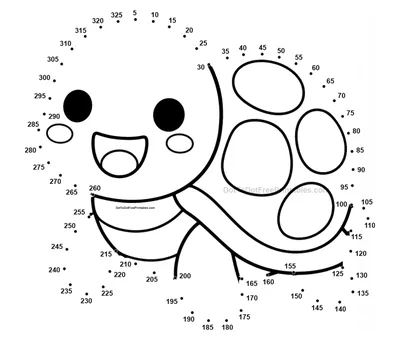
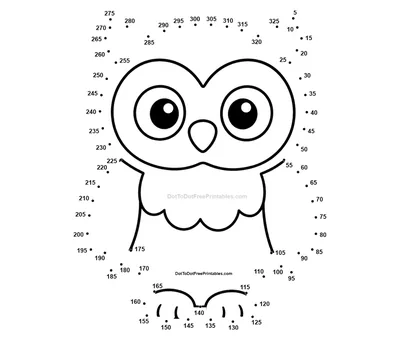
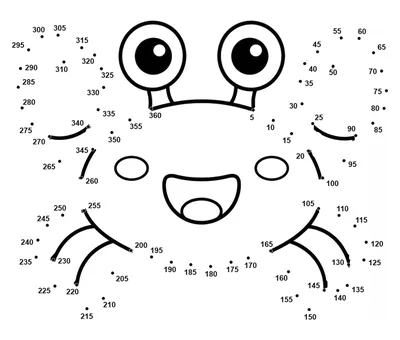
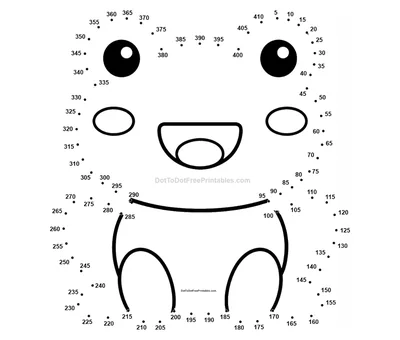
Flowers
Halloween
Playgrounds
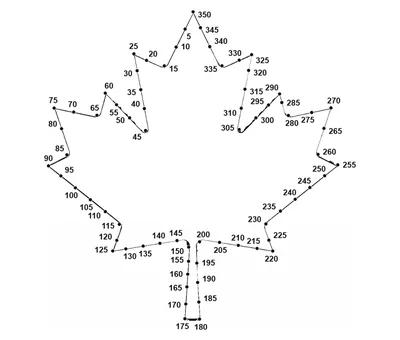
Canada
Circus
Dinosaurs
Planes
Space
Skip Counting by 5s dot to dot: a guide for parents and teachers
Skip Counting by 5s at a Glance
Skip counting by 5s means saying every fifth number: 5, 10, 15, 20, 25, 30, 35, 40, 45, 50. On these worksheets, each dot carries the next number, so joining them in order reveals a picture. Every label ends in 5 or 0, and the last label is five times the dot count.
Quick start: choose a picture from the grid, select Skip Counting by 5s Version, download the free PDF and print at 100%. New to fives? Pick a picture under 60 dots. Short on time? The dot count on each card tells you how long the trail is.
Why Fives Are the Friendliest Skip
Ask a roomful of children to count by twos and you will hear a few confident voices and a few quiet ones. Ask them to count by fives and the whole room joins in. The pattern has a rhythm that feels like clapping: 5, 10, 15, 20, with the numbers landing on 5 and 0 over and over. That predictability is why fives often arrive early in the primary years, long before anyone mentions multiplication.
A dot to dot suits the pattern well. A child who sees "35" on a dot has nothing to calculate in the usual sense. They have to remember what comes after 30 and then scan the page for it, and the line they draw tells them straight away whether they were right. Each dot is a tiny check that the pattern is still in their head.
This collection uses 33 pictures. Open a card and choose its Skip Counting by 5s Version to download the labelled sheet. The picture and the connection order are the same as the ordinary numbered version; only the numbers change.
A Walk Through the Pictures
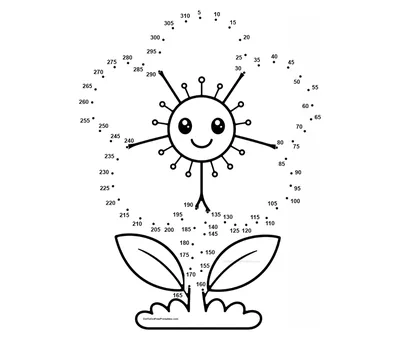
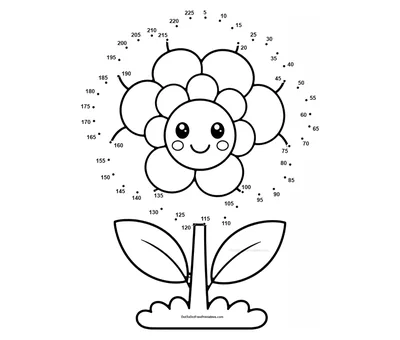
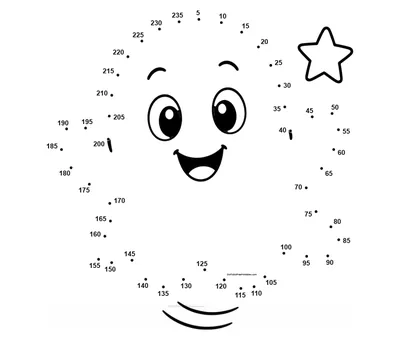
The fastest way to choose a sheet is to know where each trail ends, because the last label is always five times the dot count. The Camellia Flower is the gentlest start: 45 dots, finishing at 225. The Friendly Ghost is almost the same length and ends at 235.
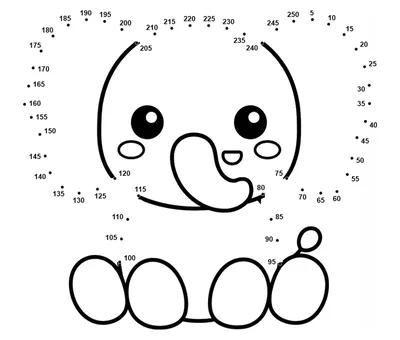
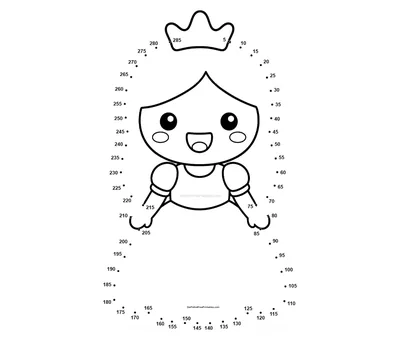
For a medium trail, try the Cute Baby Elephant (50 dots, ending at 250) or the Cute Princess (57 dots, ending at 285). The elephant finishes on a round number, which makes the finish easy to predict and easy to celebrate.
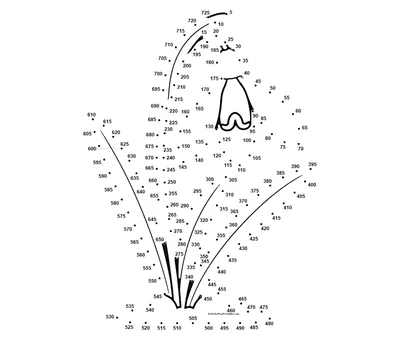
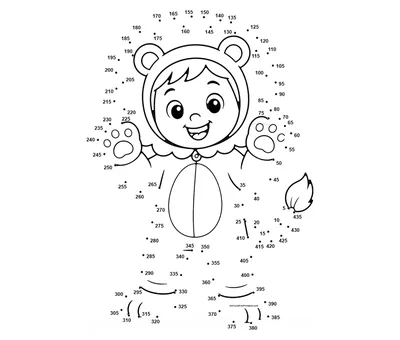
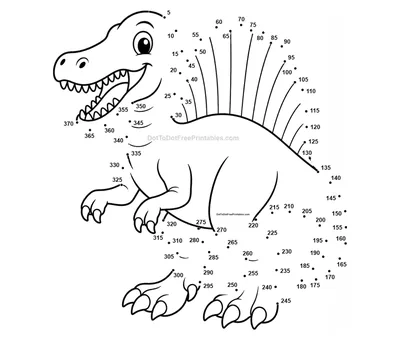
Learners who like a long sitting can take on the Spinosaurus (74 dots, ending at 370) or the Child in a Lion Costume, which runs to 435. The longest in the collection is the Snowdrop Flower: 145 dots, ending at 725.
Choosing a Picture
Pictures in this collection run from 45 to 145 dots, so there is a sheet for a short sitting and one for a long one.
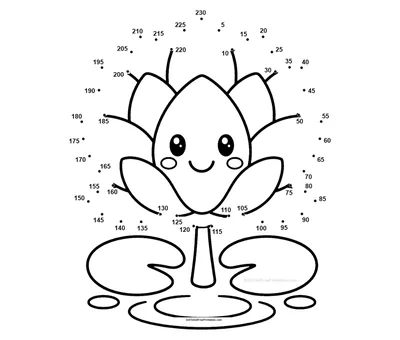
Shorter trails include Camellia Flower (45 dots, ending at 225) and Lotus Flower (46 dots, ending at 230).
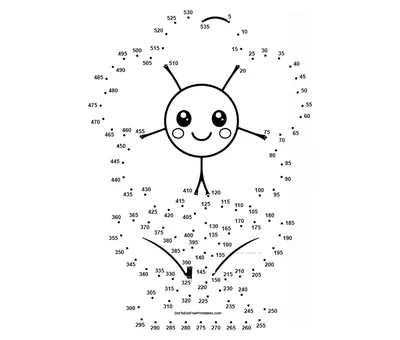
For a long sitting, try Forget-Me-Not Flower (107 dots, ending at 535) and Snowdrop Flower (145 dots, ending at 725).
The Pattern and How to Check It
To skip count by 5s, you say every fifth number and leave the others out: 5, 10, 15, 20, 25, 30 and so on. On the sheet the first dot is 5, the second is 10, and dot number n is labelled 5n. Every label is a multiple of 5.
Fives have the easiest check in all of arithmetic: every label ends in 5 or 0, and the two endings take turns. If a learner meets a label ending in anything else, a dot has been misread. Labels are also short: the trail only passes 100 when it reaches dot 21.
For Parents and Teachers: Grades and Curriculum Terms
In the US and Canada, skip counting by 5s usually appears between kindergarten and 2nd grade, often in morning work, math centres and early multiplication readiness. In the UK and Australia the same idea is called counting in steps (or counting in multiples) of 5s. In England it is part of Year 1 and Year 2 in KS1, and these join the dots sheets suit that stage.
Whatever name your school uses, the task is the same: the learner works out the next number, finds that dot and joins it. The sheets work as a skip counting dot to dot worksheet, a join the dots activity sheet or the warm-up before times tables. Ask learners to say the labels in order as they draw, and use a sticker over one label to turn any sheet into a missing numbers exercise.
What the Sheets Practise
These sheets give practice in skip counting by fives, recognising multiples of 5 and keeping a steady rhythm across a whole page of dots. They are also a quiet first look at the 5 times table.
The sheets do not teach calculation or replace a lesson. Explain the idea first, then let the dots give the practice.
Signposts: Fives, Tens and the Hand
Every second label on a fives sheet is a multiple of ten: dot 2 is 10, dot 4 is 20, dot 10 is 50 and dot 20 is 100. Before starting, ask the learner to find those round labels on the page and lightly circle them. They become checkpoints. If the line reaches a circled number at the wrong moment, a dot has been missed, and the child can read back from the last checkpoint to find it.
The hand is the other signpost. One hand is five fingers, so counting by fives is counting hands: one hand, two hands, three hands. Let a learner hold up a hand for each label and the number stops being abstract. When they reach 100, they have counted twenty hands, which makes a good moment to stop and look at how far they have come.
Five Games for a Fives Sheet
Hands up. Print the Friendly Ghost and say each label together. For every label, show the matching number of fingers by holding up a hand, then a second, then starting again. The ghost has 47 dots, so there is plenty of practice.
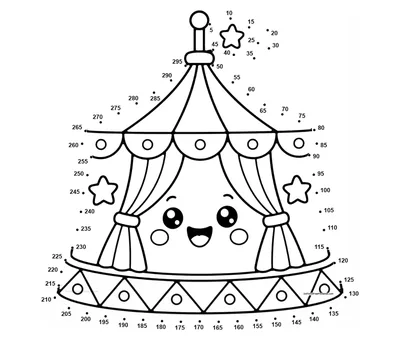
Guess the finish. Before drawing, write a prediction for the last label at the top of the page. Then draw and compare. The Circus Tent ends at 295, close enough to 300 for a nice discussion about near-round numbers.
Cover a label. Use a small sticker to hide one label. The learner works out the missing number from the labels either side, then peels the sticker to check.
Clock hunt. Draw a clock face and write 5, 10, 15 and so on beside each numeral. Then compare the clock with the sheet: each numeral on the clock is five minutes further on, exactly like the dots.
Coin counter. In places where a five-cent coin exists, lay out coins as you reach each label. Eight coins make 40, and the learner can count them with the sheet beside them.
A Five-Day Skip Counting Plan
Day 1: short and steady. Start with the Lotus Flower (ending at 230). Say every label aloud. The aim is to feel the beat of fives.
Day 2: fingers and hands. Draw the Cute Baby Elephant with a hand held up for every label. Dot 50 is labelled 250.
Day 3: checkpoints. On the Cute Princess, circle every multiple of ten first, then draw from checkpoint to checkpoint. It ends at 285.
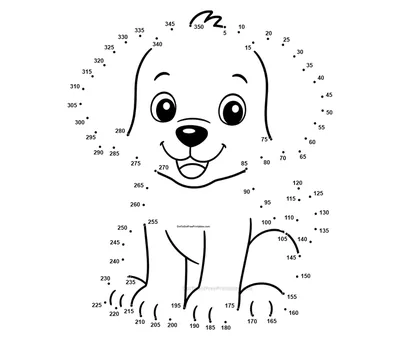
Day 4: past the hundred. The Cute Puppy runs to 350. Three-digit labels are new for many children, so read the first few together.
Day 5: free choice. Let the learner pick any picture from the grid above and predict its end number from the dot count on the card before printing.
Fives in the Real World
Few number patterns are as easy to find outside school. A clock face counts the minutes in fives. A hand holds five fingers, and tally marks are written in bundles of five, with a stroke across four lines. Many currencies have a five-unit coin, and many scoreboards and score sheets are easiest to read in fives.
Point these out when you are out and about. When a learner discovers that the number on a bus ticket or a price tag ends in 5 or 0, they have just spotted a multiple of 5 in the wild. That kind of noticing is what makes a worksheet pattern stick.
Common Slips and Gentle Fixes
Counting by ones. A child used to ordinary dot to dots may look for 6 after 5. Keep a strip of paper beside the page with the first ten labels written on it until the pattern feels natural.
Mixing up fives and tens. Some learners jump from 15 straight to 30. Read back the last three labels aloud: "10, 15, 20", and the next step usually becomes clear.
Dropping the zero. After 95 comes 100, which looks very different from the two-digit numbers before it. Practise that crossing on its own with a few labels before drawing.
None of these slips means the sheet is too hard. A wrong line often looks out of place in the drawing, and reading the labels back finds it quickly. Finding it is itself good practice.
From Fives to Times Tables
Skip counting is the front door to multiplication. The label on dot 7 is 35, which is the same as 7 × 5, so these sheets quietly rehearse the five times table without a list of sums. A learner who has finished a sheet has seen every multiple of 5 up to the end number, in order.
When the fives feel secure, there are two natural next steps. Move to Skip Counting by 10s for bigger jumps where the number of tens goes up by one, or go back to Even Numbers to see how a smaller step feels. Seeing the same picture with different labels helps learners understand that all of these are counting at different step sizes.
Using Fives Sheets in the Classroom
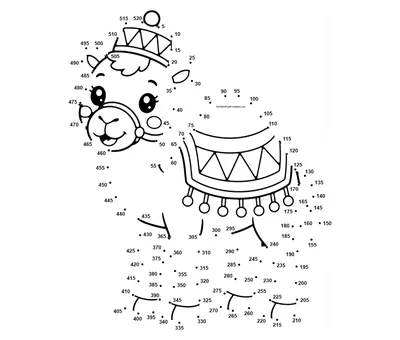
Fives sheets work well as a calm maths station or a fast-finisher task. Because every picture follows the same rule, a whole class can work on different drawings and still talk about the same mathematics. A child on the Cute Butterfly and a child on the Circus Camel are both practising fives, at different lengths.
For mixed groups, hand shorter pictures to learners who are still building confidence and long trails to those who want a stretch. Ask everyone to write their end number at the top before they begin, then check it at the end. That one prediction is the most useful piece of maths on the sheet, and it is easy to mark at a glance.
Printing the Free PDF
Open the chosen puzzle, select Skip Counting by 5s Version and download the PDF for A4 or US Letter. Print at actual size (100%) rather than from a screenshot.
How These Sheets Were Checked
Every fives sheet is made from the original picture and its tested connection order; only the labels are recalculated. The label on dot n is 5n, so the end numbers quoted on this page come straight from each picture's dot count rather than from guesswork. If you find a label that does not follow the pattern, please tell us using the report link below so we can correct it.
About This Guide and Reporting a Problem
The Skip Counting by 5s Version keeps each picture and its connection order, replacing the numbers 1, 2, 3 with the labels of this pattern. The end label on this page is calculated from the pattern and each puzzle's dot count.
This guide was prepared with AI-assisted drafting and editing. Read about the project on our About page and see our editorial policy.
If a label or download looks wrong, report the problem with the puzzle URL and the version name, Skip Counting by 5s Version.
FAQ
Skip Counting by 5s worksheet FAQs
Are these Skip Counting by 5s worksheets free?
Yes. Each puzzle offers free printable PDFs. Open a card, select Skip Counting by 5s Version and choose A4 or US Letter.
Will the numbered and Skip Counting by 5s versions make the same picture?
Yes. Both use the same dots and connection order; only the labels change.
What age are they for?
Each card shows a suggested age range and difficulty for that picture. Skip counting by 10s and 5s is usually met in the early primary years, but choose by the learner's confidence with the pattern rather than by age alone.
Where does counting start?
At 5. Zero is not used, so the first dot is 5, the second 10 and the third 15.
What number does the last dot show?
Multiply the dot count by 5. A 50-dot picture ends at 250 and a 60-dot picture ends at 300, so you can work out the finish before you print.
Should we start with fives or with tens?
Many classrooms teach tens first because the pattern is easiest, then fives. Either order is fine: the Skip Counting by 10s collection uses the same pictures with larger steps.
Is this a skip counting dot to dot for kindergarten, 1st grade or 2nd grade?
Counting by 5s is usually met between kindergarten and 2nd grade in the US, and in Year 1 and Year 2 in the UK and Australia. Use the age shown on each card as a guide, and choose by how confident the learner is.
Is there a skip counting by 2s or 3s dot to dot?
Counting by 2s is covered by the Even Numbers collection, and the Odd Numbers collection counts on by twos from 1. There is no skip counting by 3s collection yet.
How is this different from the Even Numbers sheets?
Even Numbers count in twos: 2, 4, 6. Skip Counting by 5s counts in fives: 5, 10, 15. The picture is the same; only the size of each step changes.