35 puzzles
Prime Numbers Dot to Dot Printables
Free prime numbers dot to dot PDFs: connect 2, 3, 5, 7, 11… to reveal 35 pictures with 43 to 96 dots. Print in A4 or US Letter.
Browse all 35 Prime Numbers dot to dot puzzles
Flowers
Circus
Prime Numbers
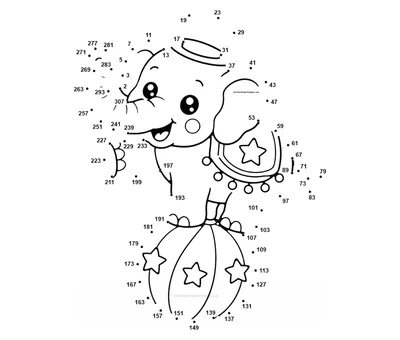
Circus Elephant Balancing on a Ball
Balance a Big-Top Star One Dot at a Time
View & Download
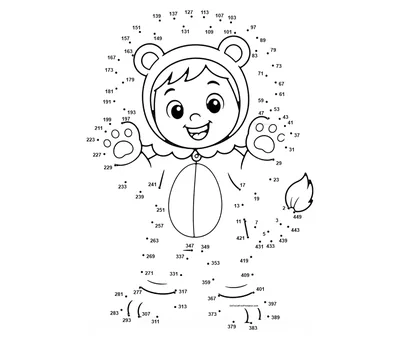
Cute
Ocean
Space
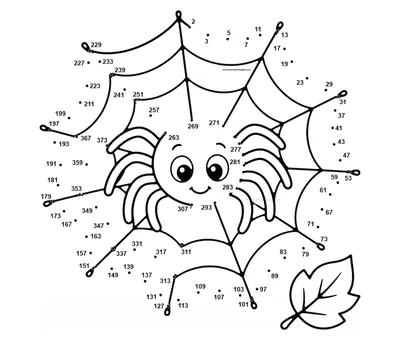
Halloween
UAE
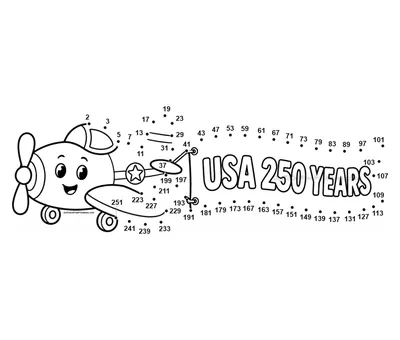
America 250 Years
Prime Numbers
America 250 Anniversary Airplane Banner
Fly High for America's 250th Anniversary!
View & Download
Canada
Dinosaurs
Playgrounds
Vehicle Dot to Dots
Prime Numbers dot to dot: a guide for parents and teachers
Follow the Pattern to Reveal a Picture
Prime Numbers dot to dot printables are picture puzzles in which each dot carries a number from one pattern instead of 1, 2, 3. Start at 2, then 3, 5, 7, 11, 13, and follow the primes in order. Each correct connection adds part of the drawing, and the finished outline is ready to colour.
This page gathers the Prime Numbers versions of 35 pictures. Open a card and choose its Prime Numbers Version.
The Pattern and How to Check It
A prime number has exactly two factors, 1 and itself. The labels are 2, 3, 5, 7, 11, 13, 17, 19, 23 and so on: dot number n is labelled with the nth prime. The number 1 is not prime, and 2 is the only even prime. In the US, Common Core standard 4.OA.B.4 covers prime and composite numbers from 1 to 100 in Grade 4.
The gaps between primes change, so there is no steady beat to follow. Keep a chart of primes beside the page and tick each one off. Labels get large: the 100th prime is 541, which is why these sheets use the shorter pictures.
What the Sheets Practise
These sheets give practice in recognising primes, thinking about factors and scanning a list for the next number. They suit older learners who know their times tables.
The sheets do not teach calculation or replace a lesson. Explain the idea first, then let the dots give the practice.
Choosing a Picture
Pictures in this collection run from 43 to 96 dots, so there is a sheet for a short sitting and one for a long one.
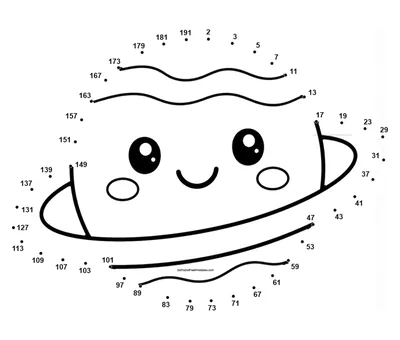
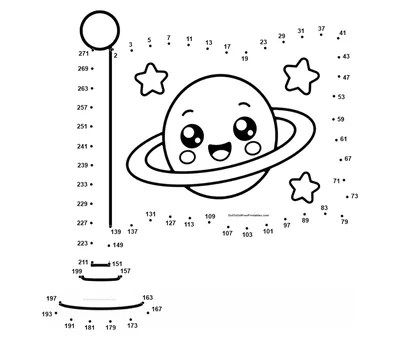
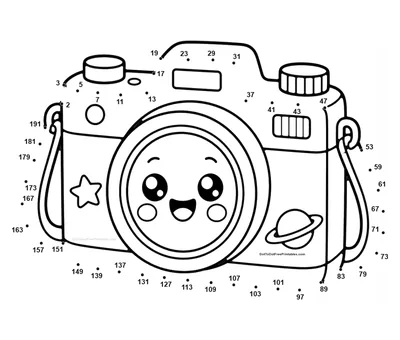
Shorter trails include Saturn (43 dots, ending at 191) and Space Camera (43 dots, ending at 191).
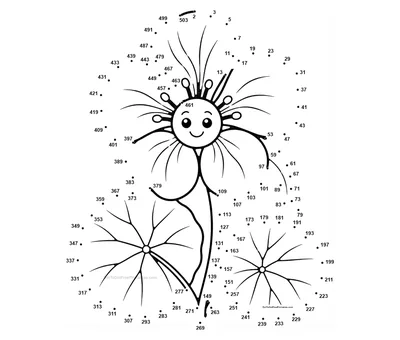
For a long sitting, try Plumeria Flower (95 dots, ending at 499) and Nasturtium Flower (96 dots, ending at 503).
How to Start
Before starting, circle the primes on a hundred chart. Then connect the dots with the chart beside you and say each prime aloud.
Write the first labels on a strip of paper and keep it beside the page. Make the first few connections together, and when the learner stops, ask what comes next before helping.
A Walk Through the Pictures
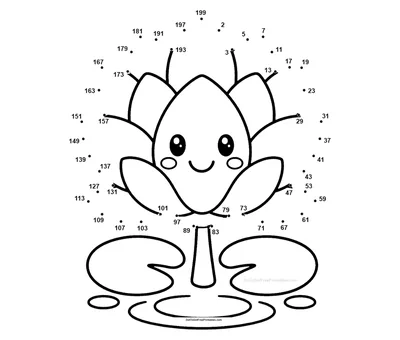
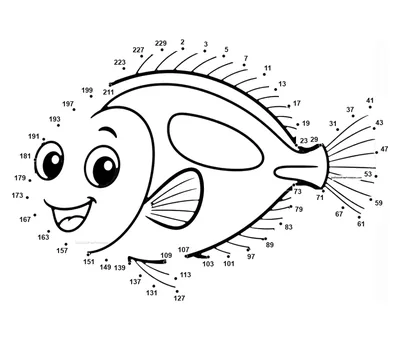
Prime trails grow fast, so even the short pictures reach three-digit numbers. Saturn and the Space Camera are the gentlest: 43 dots each, ending at 191. The Lotus Flower ends at 199 and the Blue Tang at 229.
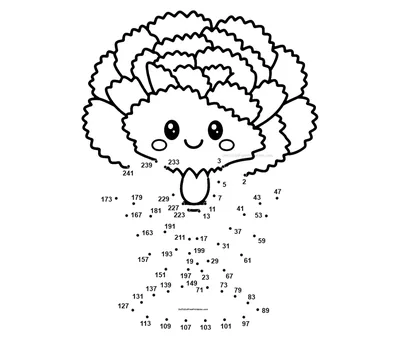
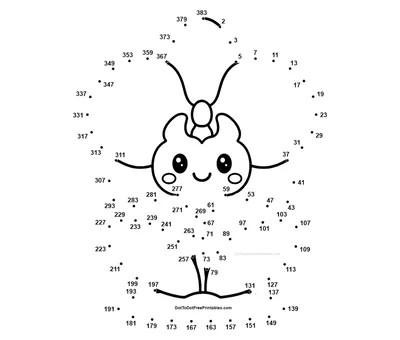
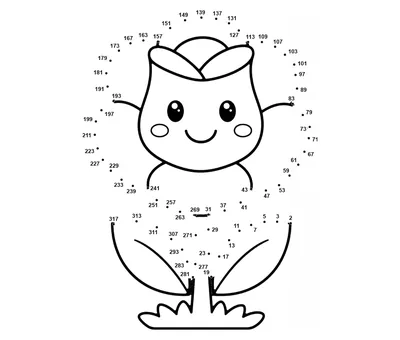
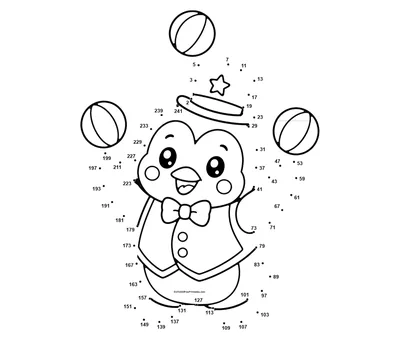
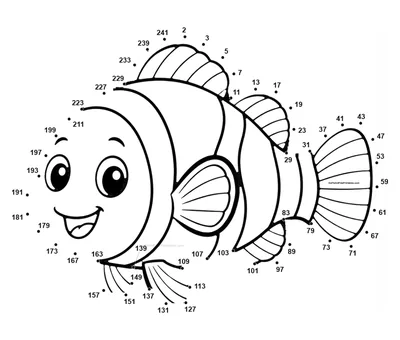
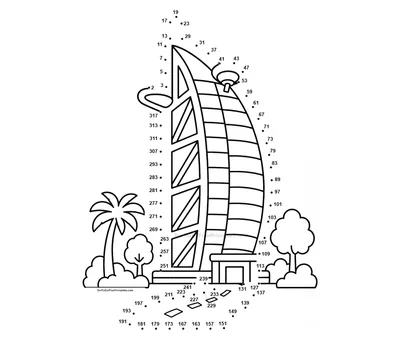
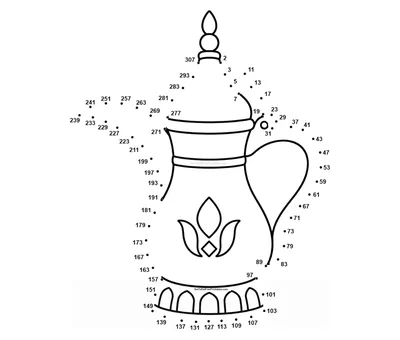
Three pictures share an ending: the Circus Penguin, the Clownfish and the Carnation Flower each have 53 dots and finish at 241. The Dallah Coffee Pot and the Circus Elephant Balancing on a Ball both stop at 307, and the Rose Flower and the Burj Al Arab at 317.
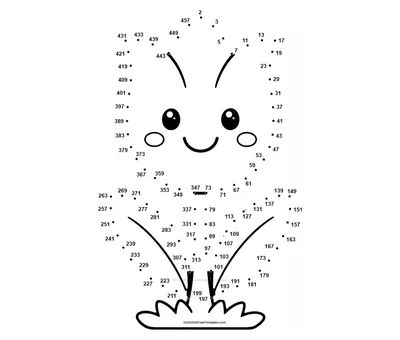
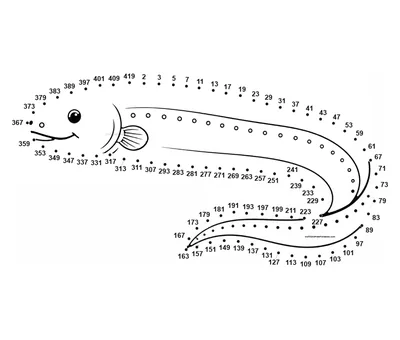
For a stretch, the Electric Eel reaches 419, the Plumeria Flower stops just short of 500 at 499, and the Nasturtium Flower, the longest here at 96 dots, crosses it and ends at 503.
Pictures With a Prime Number of Dots
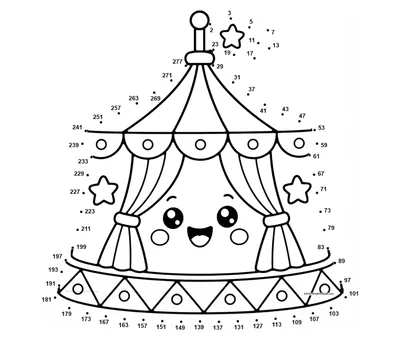
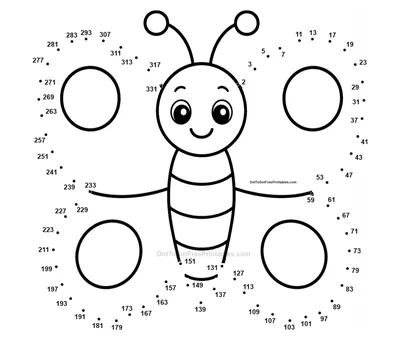
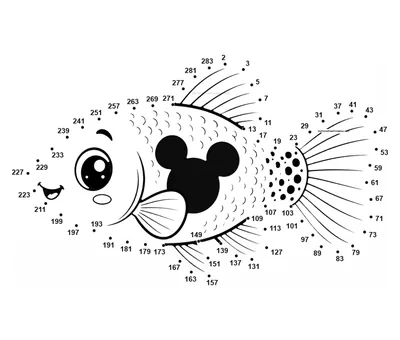
Some pictures hide a second prime. Saturn has 43 dots, the Clownfish has 53, the Circus Tent has 59, the Mickey Mouse Platy has 61 and the Cute Butterfly has 67. Every one of those dot counts is itself prime.
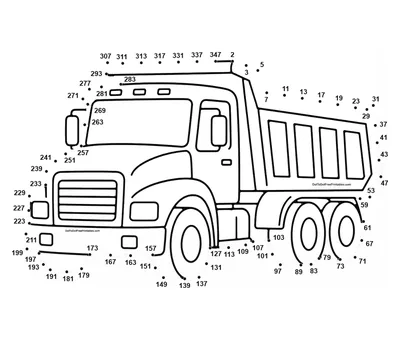
Ask a learner to check this before drawing: can 59 be split into equal rows of 2, 3, 5 or 7? It cannot, so 59 is prime. Then compare with the Dump Truck, which has 69 dots: 69 is 3 × 23, so it is not. A short detour like this turns the picture card itself into a puzzle.
Twin Primes Hiding at the Finish
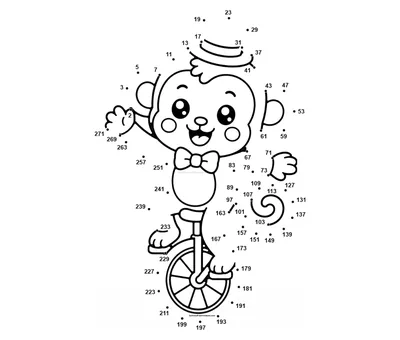
Twin primes are pairs that differ by two, such as 41 and 43. Several pictures end on one half of a twin pair. Saturn ends at 191, and 193 is prime too. The Lotus Flower ends at 199, whose twin is 197. The Blue Tang ends at 229 (twin 227), the Circus Monkey on a Unicycle at 271 (twin 269) and the Maple Leaf at 349 (twin 347).
Once a picture is finished, challenge the learner to scan the labels for other twin pairs. Early ones are easy (3 and 5, 5 and 7, 11 and 13), but later pairs such as 101 and 103 or 137 and 139 take real searching. Nobody yet knows whether twin primes go on forever; it is one of the famous open questions in mathematics.
How to Test a Label
You only need to try dividing by primes up to the square root of a number. For labels below 121, testing 2, 3, 5 and 7 is enough. For the longest sheets, which reach 503, testing up to 19 covers every label.
A few shortcuts help. A number is divisible by 3 if its digits add up to a multiple of 3: 57 has digits adding to 12, so 57 = 3 × 19 and is not prime. A number ending in 0 or 5 is divisible by 5. Even numbers after 2 are never prime. Learners who use these checks can work without a chart, which is the real goal.
The tricky impostors are odd numbers that look prime: 51 (3 × 17), 87 (3 × 29), 91 (7 × 13) and 119 (7 × 17). None of them appears on a prime sheet, so if a learner reaches for one, they have been caught out.
Five Games for a Prime Sheet
Sieve first. Make a hundred chart, cross out 1, then cross out the multiples of 2, 3, 5 and 7 (but not 2, 3, 5 and 7 themselves). What survives are the primes, the same method Eratosthenes described more than two thousand years ago. Use the chart while drawing.
Gap log. Write down the gap between each label and the next. Most gaps are 2, 4 or 6, but between 113 and 127 there is a gap of 14. Who can find the biggest gap on their sheet?
Prime or impostor? Write numbers such as 39, 41, 49, 53 and 57 on cards. Before each move, the learner sorts one card. Only real primes are allowed on the page.
Same finish race. Two players take the Circus Penguin and the Clownfish, which both end at 241. They must say each label aloud; a wrong number costs a turn.
Twin hunter. After finishing, colour every twin-prime pair on the page in the same colour.
Why Primes Matter Beyond the Page
Primes are often called the building blocks of numbers. Every whole number greater than 1 is either prime or can be made by multiplying primes together, in only one way: 12 is 2 × 2 × 3 and nothing else. Learners who know their primes can break any number into its pieces.
Primes also appear in surprising places. Some periodical cicadas in North America spend 13 or 17 years underground before they emerge, and both are prime numbers. Much of the security that protects online banking relies on how hard it is to split very large numbers back into their prime factors. The small primes on these sheets are the first steps of the same idea.
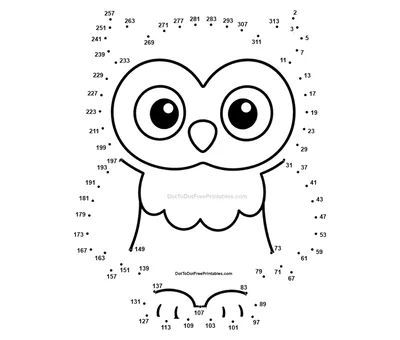
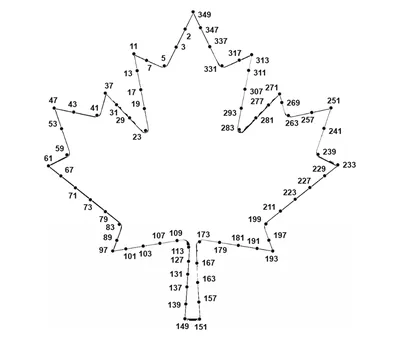
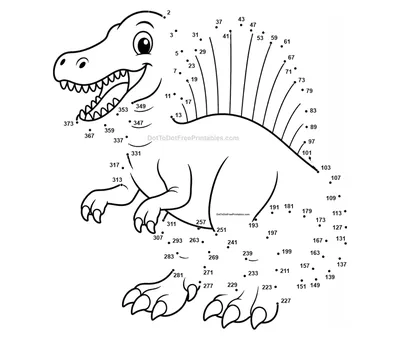
Some end labels are special in another way: they read the same forwards and backwards. The Cute Owl ends at 313, the Spinosaurus at 373 and the Orchid Flower at 383. These are palindromic primes. Other palindromes such as 101, 131, 151, 181 and 191 sit inside the longer trails; ask learners how many they can find once a picture is finished. Among two-digit numbers, 11 is the only palindromic prime: 22, 33, 44 and the rest are all multiples of 11.
Nobody has found a simple formula that lists every prime, which is part of why they fascinate mathematicians. Connecting a prime trail is a small taste of that mystery: the next number is always there, but you have to look for it.
A Five-Day Prime Numbers Plan
Day 1: build the sieve. Make a hundred chart, cross out 1 and the multiples of 2, 3, 5 and 7 (but not those four primes), and keep it for the week.
Day 2: a short trail. Draw the Space Camera using the chart. It ends at 191, so the chart covers the first 25 dots and the rest is new territory.
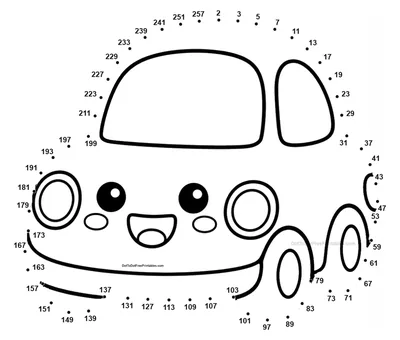
Day 3: testing on your own. On the Cute Little Car, which ends at 257, try to test the labels above 100 yourself before looking them up.
Day 4: twins. Draw the Circus Monkey on a Unicycle and colour the twin-prime pairs you find.
Day 5: the long one. Tackle the Tulip Flower (ending at 457) or the Nasturtium Flower, and keep a gap log as you go.
Using Prime Sheets in the Classroom
Prime sheets suit older primary learners and lower secondary groups who already know their times tables. They work well after a lesson on factors and multiples, because every move asks the same question: does this number have any factors other than 1 and itself?
For a richer task, ask groups to choose different pictures and record three facts about their trail: the last label, the biggest gap and the number of twin pairs. Comparing results across the class shows that primes thin out as numbers grow, without anyone having to state it as a rule. Shorter pictures such as the Blue Tang keep the task manageable, while the Electric Eel gives a real stretch.
To finish, try a short reasoning prompt: "A classmate says every odd number is prime. Find a label-sized number that proves them wrong." Answers such as 9, 15, 21 or 91 show that learners can test a claim rather than simply remember a list, which is the habit these sheets are meant to build.
How These Sheets Were Checked
Every prime sheet keeps the original picture and its tested connection order. The label on dot n is the nth prime, computed rather than typed by hand, and the end numbers on this page come from each picture's dot count. If anything looks wrong, please use the report link below.
Printing the Free PDF
Open the chosen puzzle, select Prime Numbers Version and download the PDF for A4 or US Letter. Print at actual size (100%) rather than from a screenshot.
About This Guide and Reporting a Problem
The Prime Numbers Version keeps each picture and its connection order, replacing the numbers 1, 2, 3 with the labels of this pattern. The end label on this page is calculated from the pattern and each puzzle's dot count.
This guide was prepared with AI-assisted drafting and editing. Read about the project on our About page and see our editorial policy.
If a label or download looks wrong, report the problem with the puzzle URL and the version name, Prime Numbers Version.
FAQ
Prime Numbers worksheet FAQs
Why is 1 not a label?
A prime has exactly two factors, 1 and itself. The number 1 has only one factor, so it is not prime, and the first dot is 2.
Why is 2 the only even prime?
Every other even number can be divided by 2, so it has more than two factors. That makes 2 the odd one out among the primes.
How can a learner check a label without a chart?
For any label from 2 to 120, try dividing by 2, 3, 5 and 7. If the only one that divides it exactly is the label itself, or none does, the number is prime. 91 looks prime but is 7 × 13.
Do prime numbers ever run out?
No. The Greek mathematician Euclid proved more than 2,000 years ago that there are infinitely many primes, so the trail could in theory go on forever.
What are twin primes?
Primes that differ by two, such as 11 and 13 or 41 and 43. Learners can hunt for twin pairs among the labels once a picture is finished.
Why are the pictures shorter than in other sets?
Prime labels grow quickly: the 100th prime is 541. The longest picture here has 96 dots, which keeps the numbers readable.