51 puzzles
Japanese Kanji Numbers Dot to Dot Printables
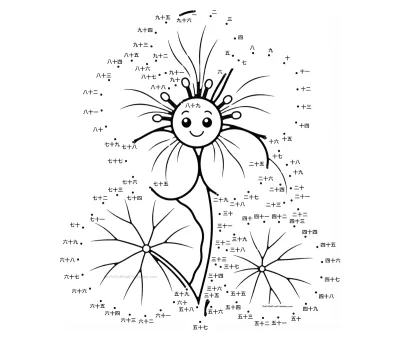
Free kanji numbers dot to dot PDFs: follow 一, 二, 三 to the end of each picture, reading compound numbers like 二十三 and 百五. A4 and US Letter.
Browse all 51 Japanese Kanji Numbers dot to dot puzzles
Flowers
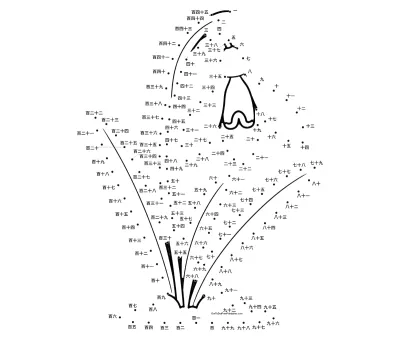
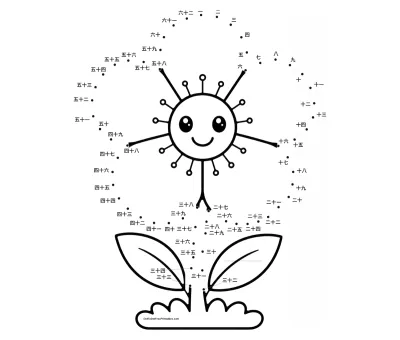
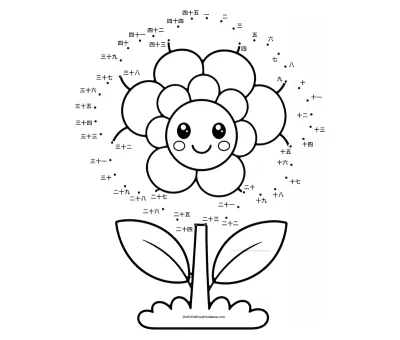
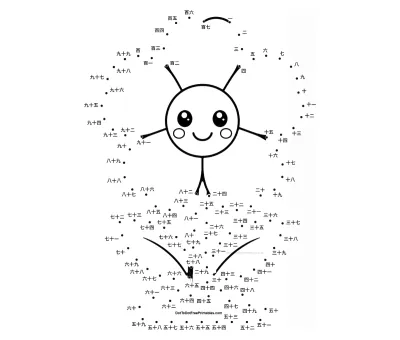
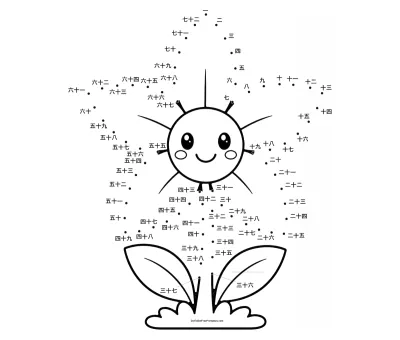
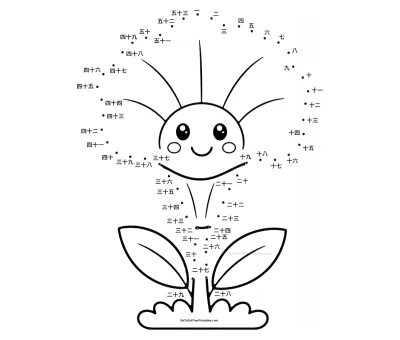
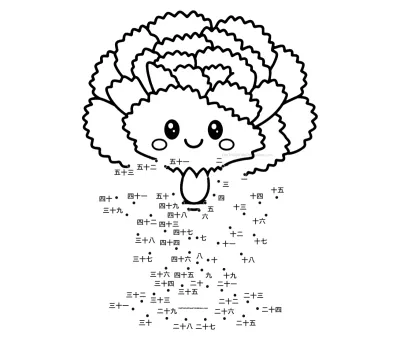
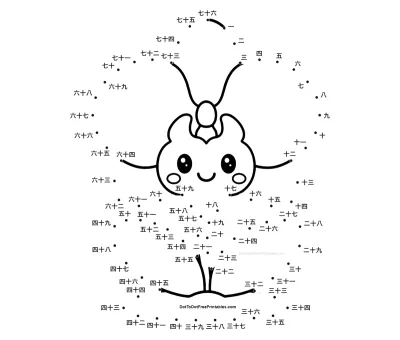
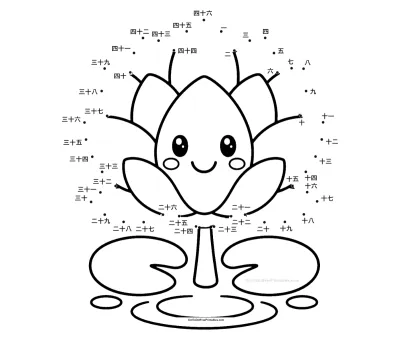
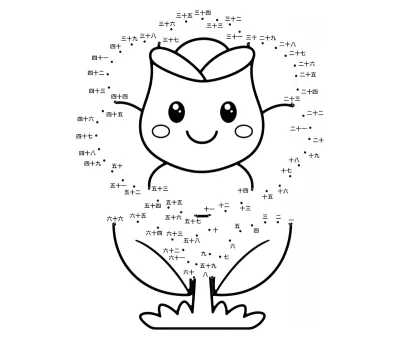
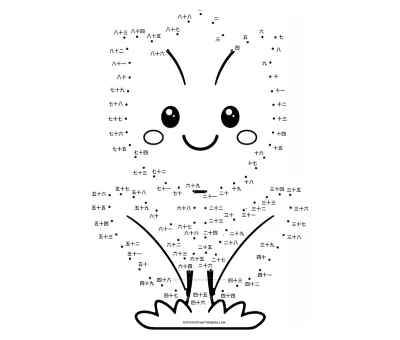
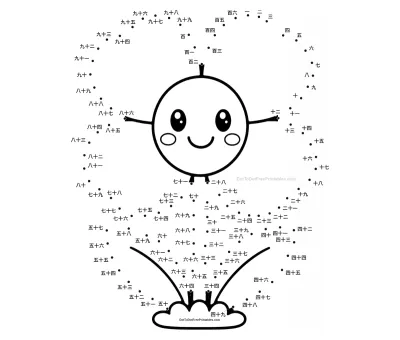
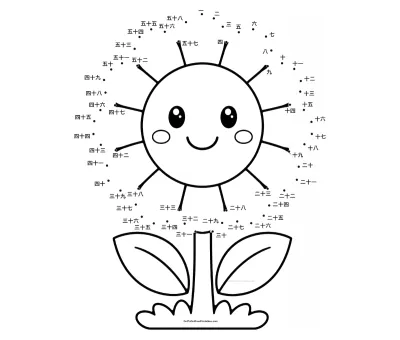
Cute
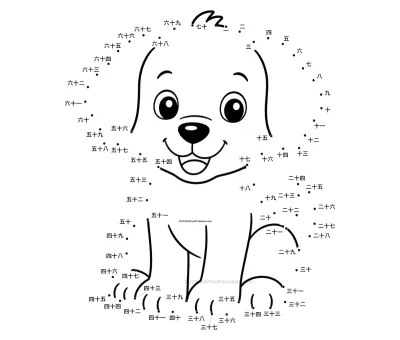
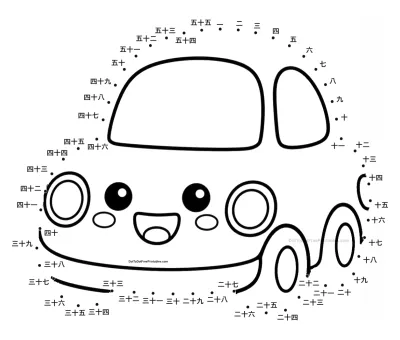
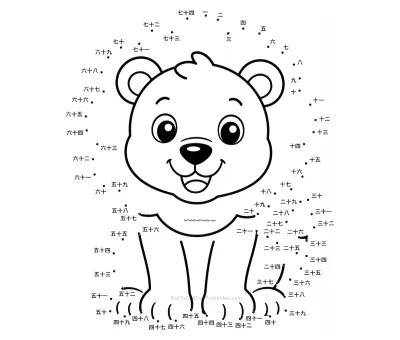
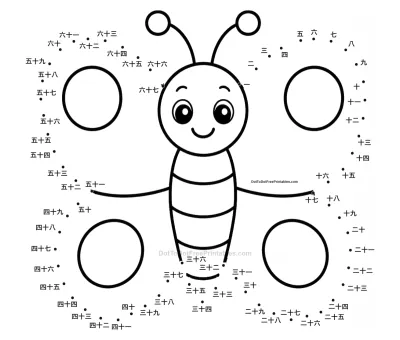
Japanese Kanji Numbers
Cute Butterfly
Flutter, Flutter — Something Beautiful Is Landing!
View & Download
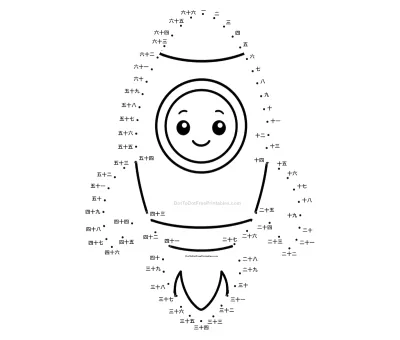
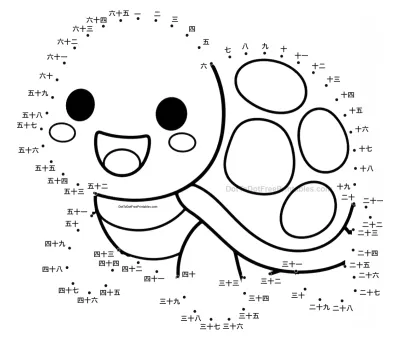
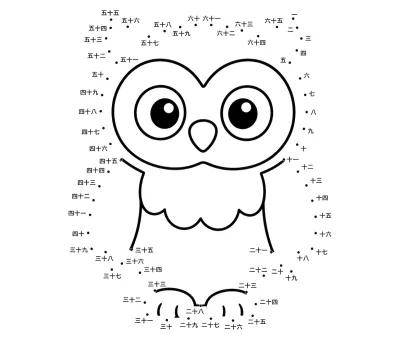
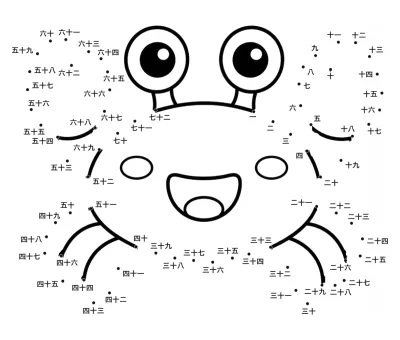
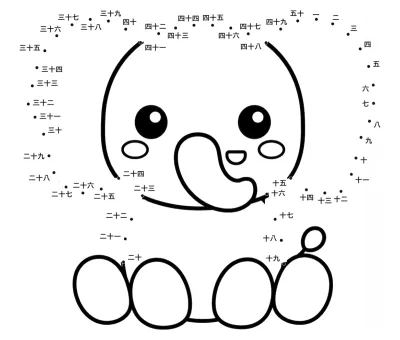
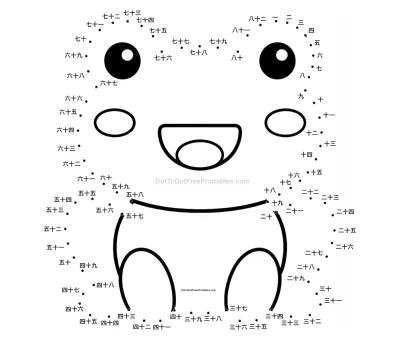
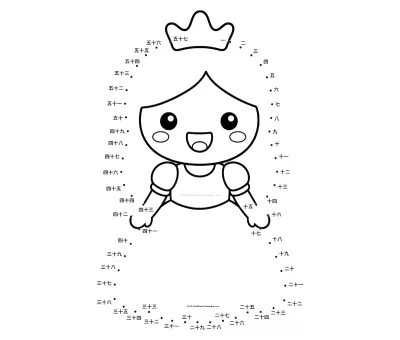
Space
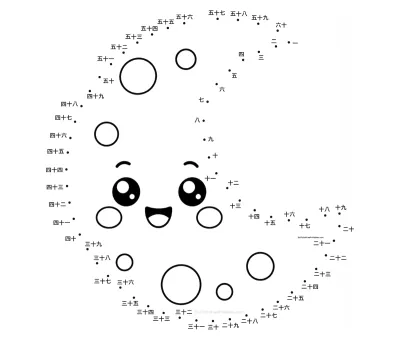
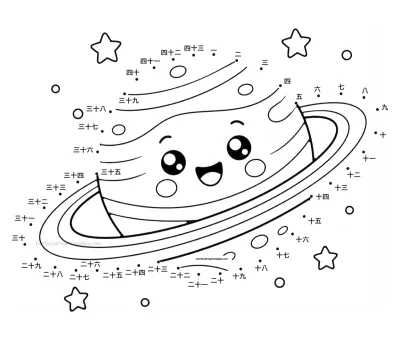
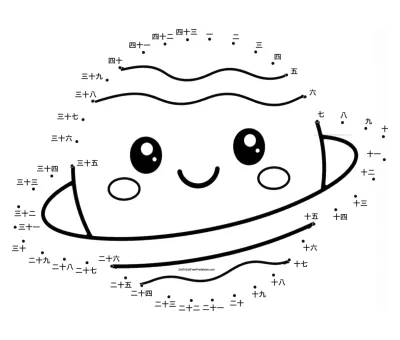
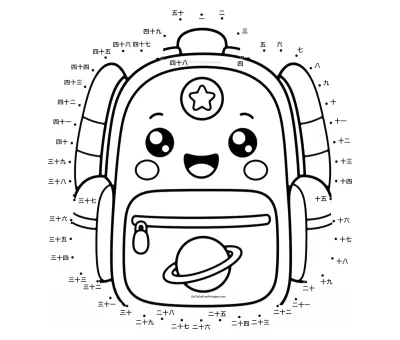
Circus
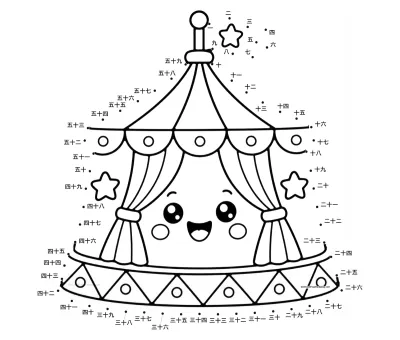
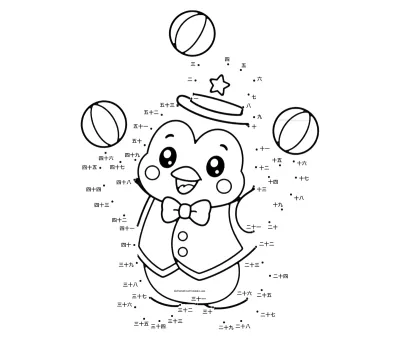
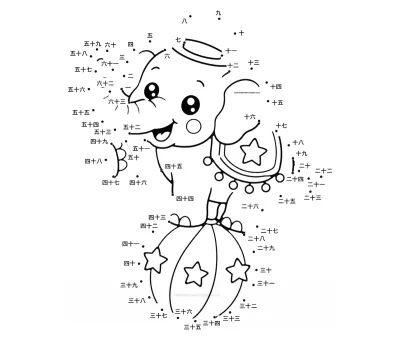
Japanese Kanji Numbers
Circus Elephant Balancing on a Ball
Balance a Big-Top Star One Dot at a Time
View & Download
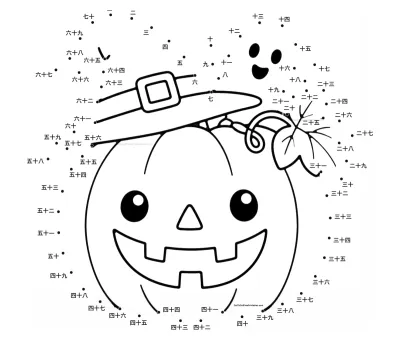
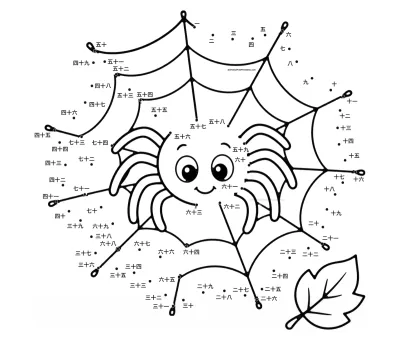
Halloween
Playgrounds
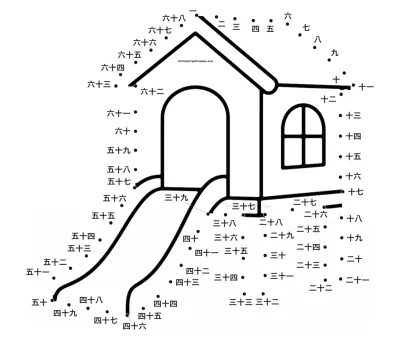
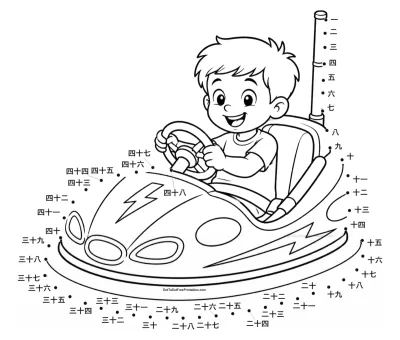
UAE
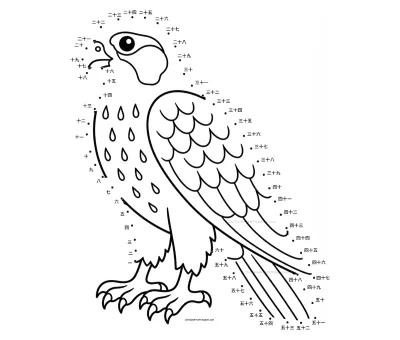
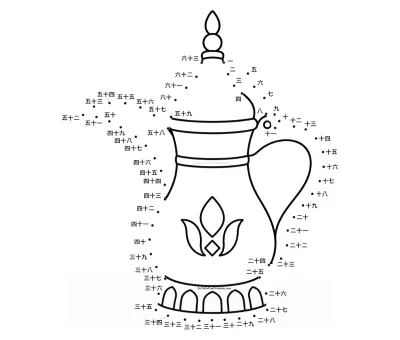
Canada
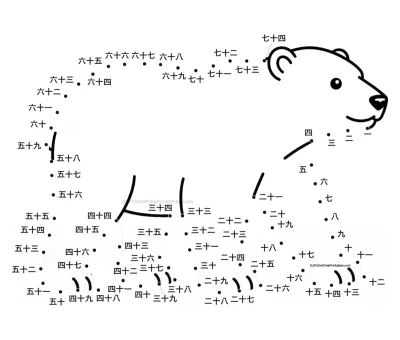
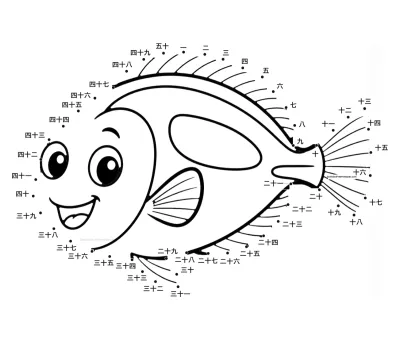
Ocean
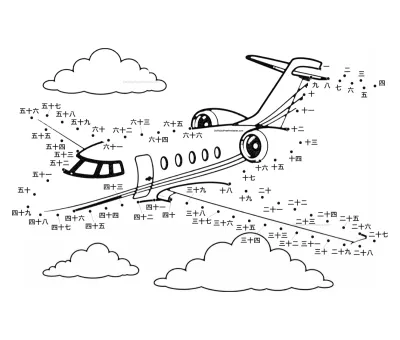
Planes
Japanese Kanji Numbers dot to dot: a guide for parents and teachers
Follow 一, 二, 三 to Reveal a Picture
Kanji numbers dot to dot worksheets label each dot with a Japanese kanji numeral instead of 1, 2, 3. Start at 一, draw to 二, then 三, and keep counting until the picture appears.
This English-language page gathers the Japanese Kanji Numbers versions of 51 pictures. Open a card and choose its Japanese Kanji Numbers Version.
How Kanji Numbers Are Built
Kanji numbers are not written with place-value digits. They are built from words: 十 (ten) and 百 (hundred) combine with 一 to 九. 十一 is ten-one, 11; 二十 is two-ten, 20; 二十三 is two-ten-three, 23. A hundred is just 百, and 百五 is 105.
That means labels grow longer in a pattern a child can learn: 十 alone for ten, but 二十 for twenty; 百 alone for a hundred. On a crowded sheet, read the whole label before searching for its dot.
In everyday Japanese, 1, 2, 3 is common in print, while kanji numerals appear in vertical writing, on calendars, menus, signs and in names. These sheets practise reading them in order.
Labels to Compare
Some pairs are easy to swap. 二十 (20) and 十二 (12) use the same two characters in a different order; 三十一 (31) and 十三 (13) are another pair. 一, 二 and 三 differ only in the number of strokes. Point to these before starting.
Choosing a Picture
Pictures in this collection run from 43 to 145 dots, so even the shortest trail goes past 二十.
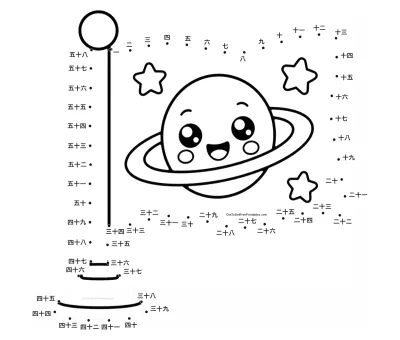
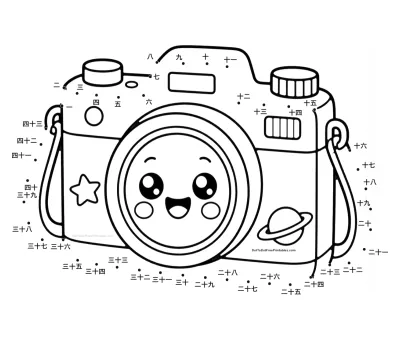
Shorter trails include Saturn (43 dots, ending at 四十三), Space Camera (43 dots, ending at 四十三) and Camellia Flower (45 dots, ending at 四十五).
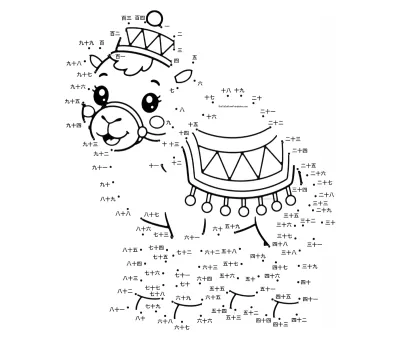
Longer pictures pass 百: Circus Camel ends at 百四 and Poppy Flower ends at 百六.
How to Use the Worksheet
Write a short strip on a card: 一 to 十, then 二十, 三十 and 百. Ask the learner to say the next number before drawing each line, and to point to its label before searching for the dot.
The worksheets practise reading kanji numerals in counting order. They do not teach the readings (いち, に, さん…) or handwriting; add those separately if they are your goal.
Printing the Free PDF
Open the chosen puzzle, select Japanese Kanji Numbers Version and download the PDF for A4 or US Letter. Print at actual size (100%) so the longer labels stay readable.
About This Guide and Reporting a Problem
The Japanese Kanji Numbers Version replaces each number label with the same number written in kanji, keeping the picture and connection order. The end labels on this page are calculated from each puzzle's dot count.
This guide was prepared with AI-assisted drafting and editing, and has not yet been reviewed by a native-speaking teacher. Read about the project on our About page and see our editorial policy.
If a label or download looks wrong, report the problem with the puzzle URL and the version name, Japanese Kanji Numbers Version.
FAQ
Japanese Kanji Numbers worksheet FAQs
Are these kanji numbers worksheets free?
Yes. Each puzzle offers free printable PDFs. Open a card, select Japanese Kanji Numbers Version and choose A4 or US Letter.
How is 23 written in kanji?
二十三: two-ten-three. Twenty is 二十, and three is added after it.
Why is 100 just 百 and not 一百?
In Japanese, a hundred is written 百 on its own; 一 is not written in front. 105 is 百五.
Are 二十 and 十二 the same?
No. 二十 is 20 (two tens) and 十二 is 12 (ten and two). Read the whole label.
Do the sheets teach how to read the numbers aloud?
No. They practise recognising the written numerals in order. Readings such as いち, に, さん need separate practice.
What age are they for?
Each card shows a suggested age range and difficulty for that picture. Choose by the child's reading and interest.