69 puzzles
Gujarati Alphabet Dot to Dot Printables
Free Gujarati alphabet dot to dot PDFs using a 49-label sequence from અ to જ્ઞ. Compare it with your kakko chart and print in A4 or US Letter.
Browse all 69 Gujarati Alphabet dot to dot puzzles
Flowers
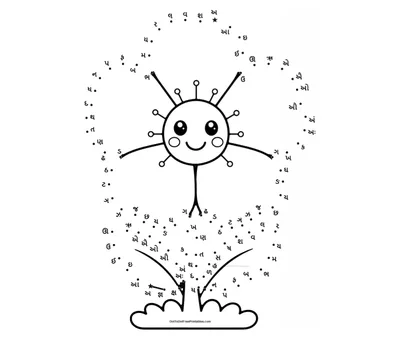
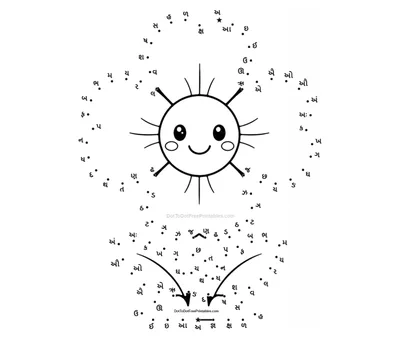
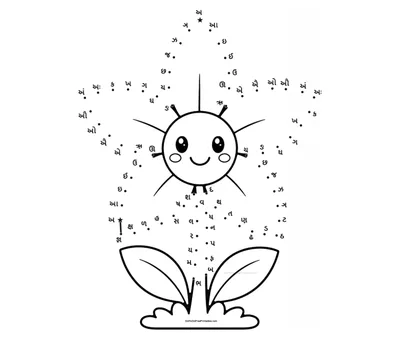
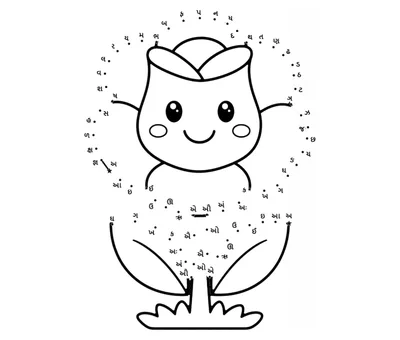
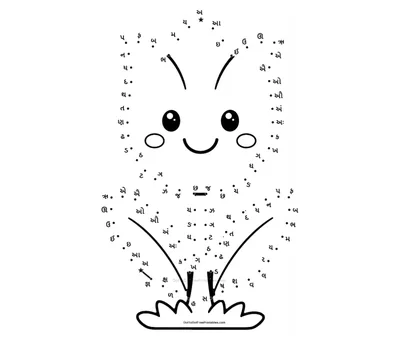
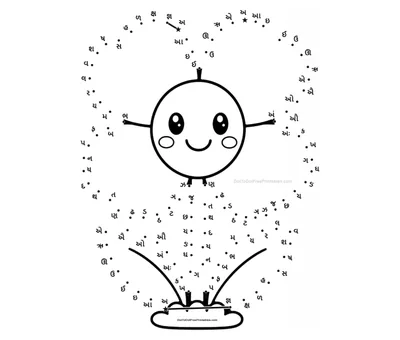
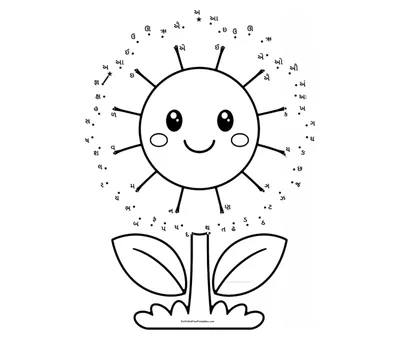
Cute
Space
Circus
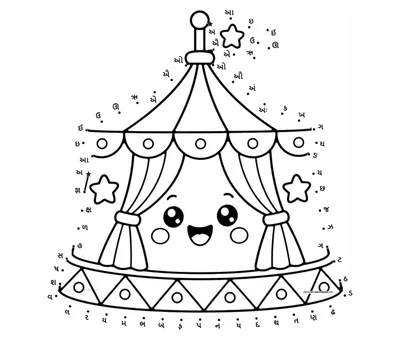
Gujarati Alphabet
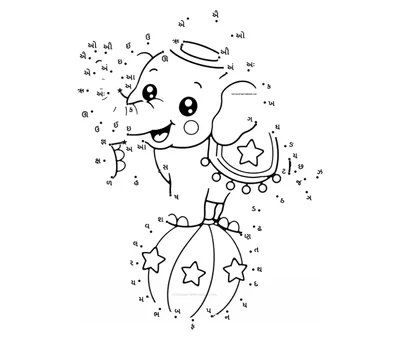
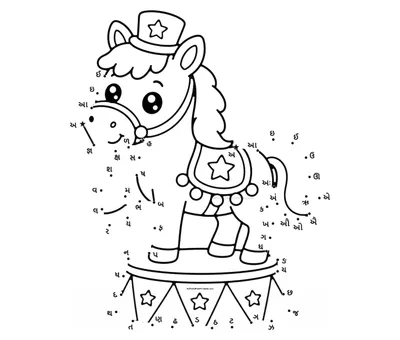
Circus Elephant Balancing on a Ball
Balance a Big-Top Star One Dot at a Time
View & Download
Halloween
Ocean
Playgrounds
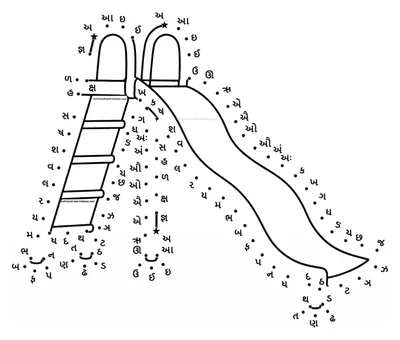
UAE

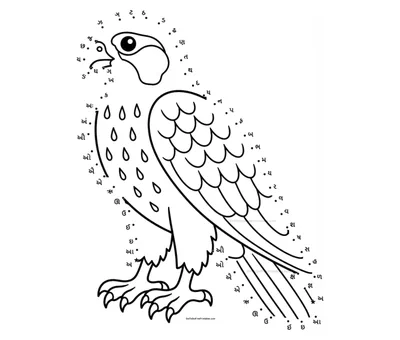
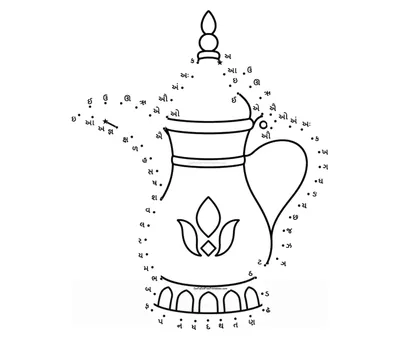
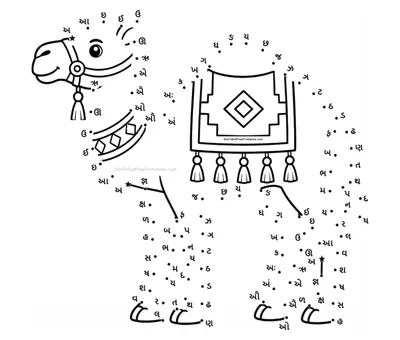
Planes
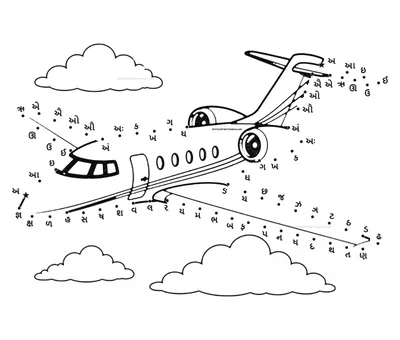
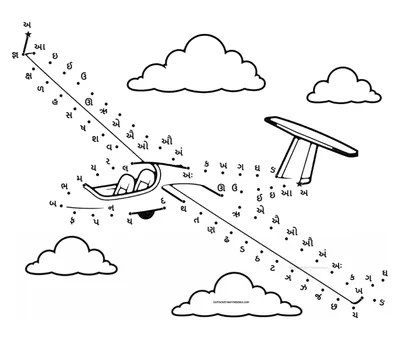
Vehicle Dot to Dots
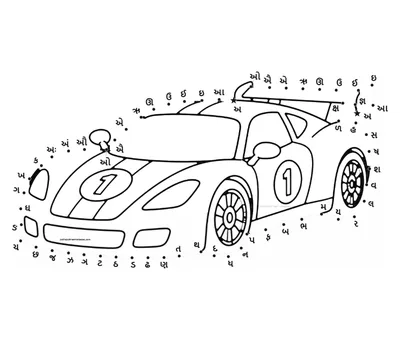
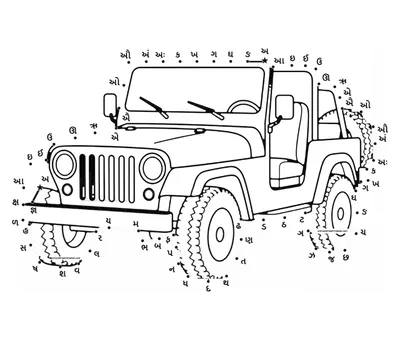
America 250 Years
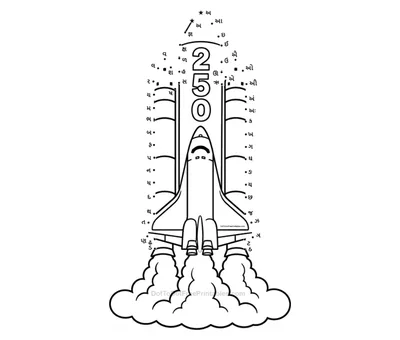
Gujarati Alphabet
America 250 Space Shuttle
Launch into America's 250th with the Space Shuttle!
View & Download
Canada
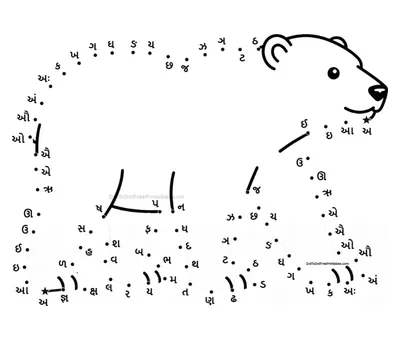
Dinosaurs
Gujarati Alphabet dot to dot: a guide for parents and teachers
Gujarati Alphabet Dot to Dot: Join અ, આ, ઇ Into a Picture
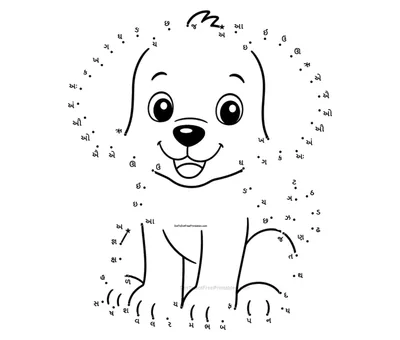
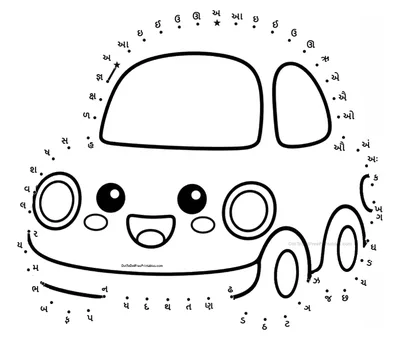
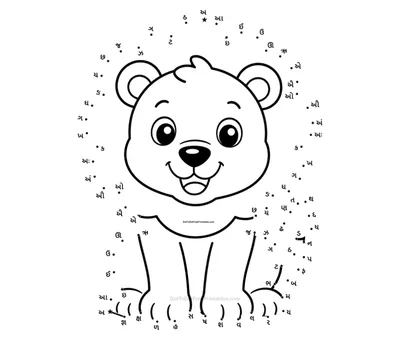
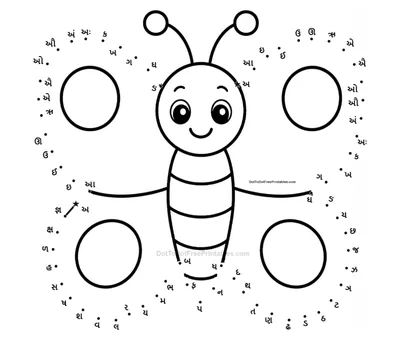
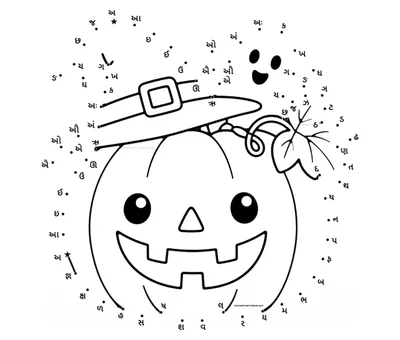
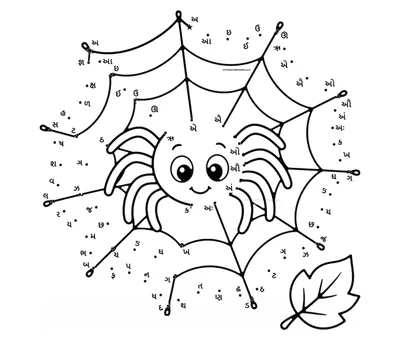
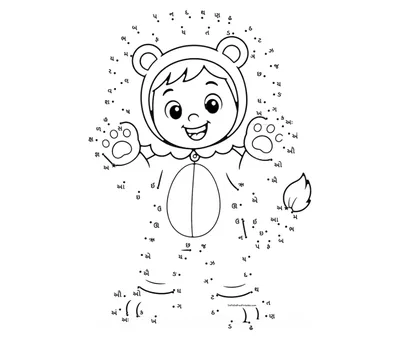
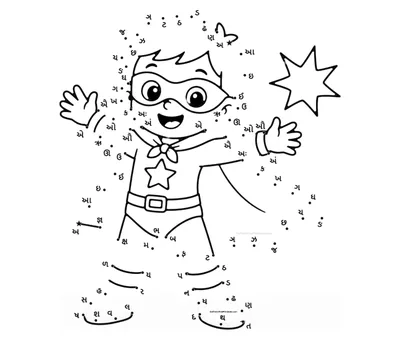
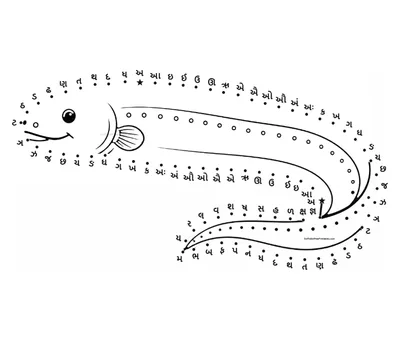
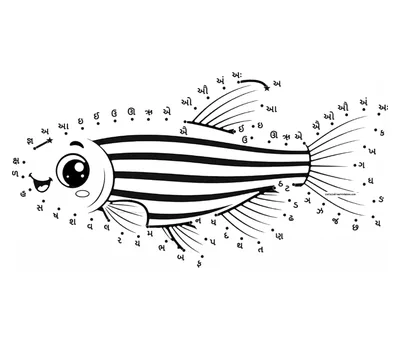
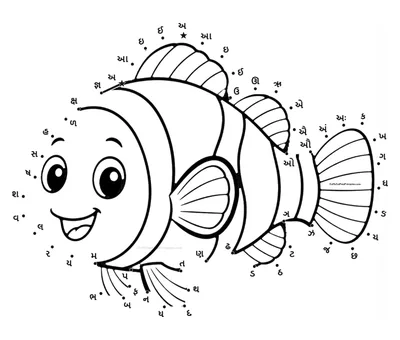
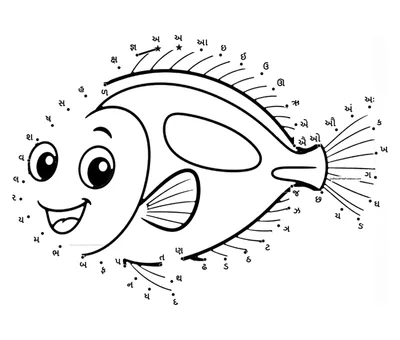
Gujarati alphabet dot to dot printables are picture puzzles with Gujarati letters beside each dot. Start at અ, draw to આ, then ઇ, and follow the order until a flower, animal or vehicle appears to colour.
The guidance here is in English for parents and teachers, including Gujarati families in the UK, North America, East Africa and elsewhere who want a playful way to keep letters in front of their children.
Choose a picture in the grid and open its Gujarati Alphabet Version. The picture and dot order are the same as the original numbered puzzle; only the labels are different.
The Exact Letter Order on These Gujarati Worksheets
Each round uses 49 labels: the vowels અ આ ઇ ઈ ઉ ઊ ઋ એ ઐ ઓ ઔ, then અં and અઃ, followed by the consonants ક ખ ગ ઘ ઙ, ચ છ જ ઝ ઞ, ટ ઠ ડ ઢ ણ, ત થ દ ધ ન, પ ફ બ ભ મ, ય ર લ વ, શ ષ સ હ, and finally ળ, ક્ષ and જ્ઞ.
Gujarati charts are often called kakko (કક્કો), after the first consonant. Charts differ slightly in which extra letters they show at the end; this collection uses the 49 above and nothing else.
You can check each character in the Unicode Gujarati code chart.
No Top Line: Why Gujarati Letters Look Lighter
Gujarati developed from the same family of scripts as Devanagari, but its letters are written without the continuous headline across the top. Many shapes will look familiar to anyone who reads Hindi, just without that bar.
For a child, the open tops can make letters seem to float. Encourage them to look at the whole shape and the small hooks at the bottom or side, since that is where many letters differ.
If your child also learns Hindi, comparing a few related letters across the two scripts can be interesting, but keep the puzzle itself focused on the Gujarati chart.
The Closing Letters ળ, ક્ષ and જ્ઞ
Every round ends with three letters that children often learn last. ળ is a separate consonant used in Gujarati, while ક્ષ and જ્ઞ are combined letters.
Treat those three as a small finish line. When they are joined, look for the starred અ that begins the next round.
Labels are full letters from the kakko, not the vowel signs used in barakhadi (બારાખડી). If your child already knows barakhadi, mention that link after the puzzle, not during the letter search.
After જ્ઞ, a New Round Begins at અ
One full round of this collection uses 49 labels. When a picture has more than 49 dots, the sequence starts again at અ straight after જ્ઞ, and a small star marks the restart dot. That starred અ begins the next stretch of the outline. Do not draw back to the અ where the whole picture began.
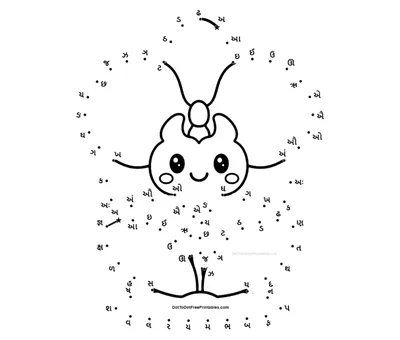
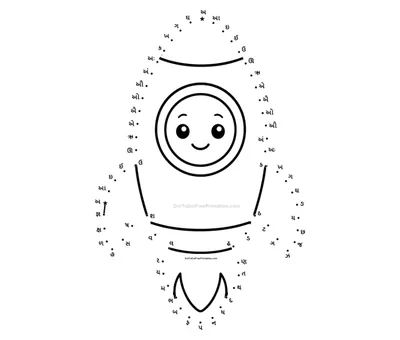
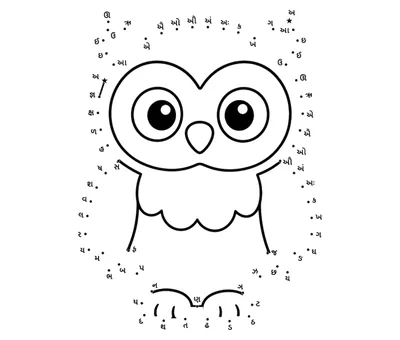
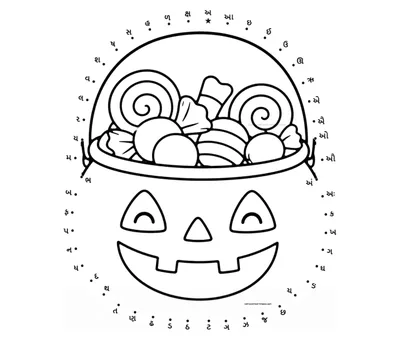
The 48-dot Trick-or-Treat Candy Bucket uses only the first 48 labels, so it never restarts and finishes at ક્ષ. The 65-dot Cute Owl contains one complete round (49 positions) plus 16 more labels, so it finishes at ગ.
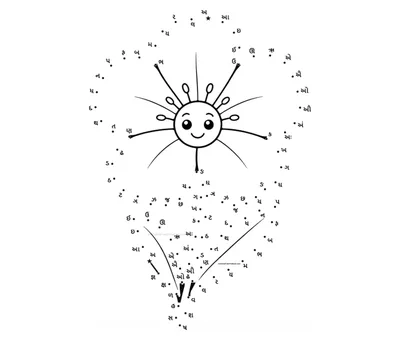
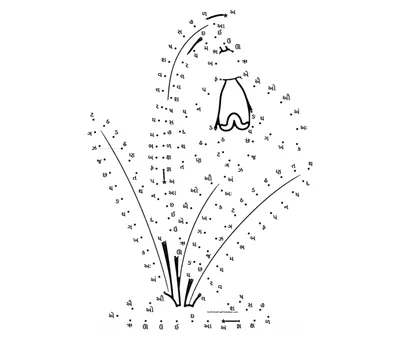
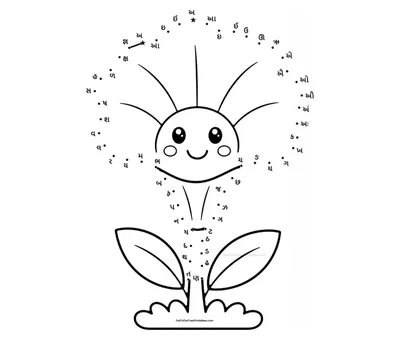
The 145-dot Snowdrop Flower contains two complete rounds (98 positions) plus 47 more labels, so it finishes at ળ. On longer sheets the same letter appears in several places, so keep a finger or a light pencil tick on the last dot you joined and count the rounds as you go.
Choosing a Picture for Your Child
The collection currently holds 69 pictures, from 43 to 145 dots. The shortest is Ringed Planet at 43 dots, a sensible first sheet for a child who is still learning where the vowel row ends.
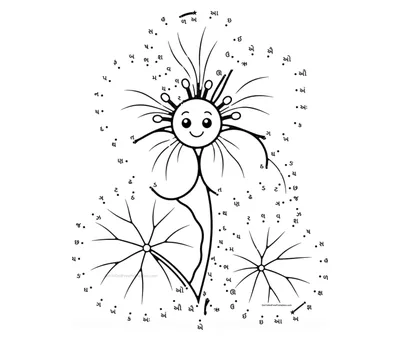
If space is the favourite topic, try Ringed Planet (43 dots) and Saturn (43 dots). For flowers, compare Camellia Flower (45 dots) and Snowdrop Flower (145 dots); the difference in length shows how much more of the sequence a child will meet.
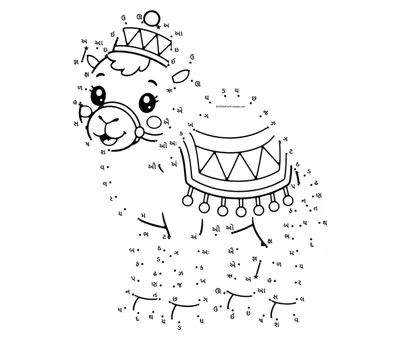
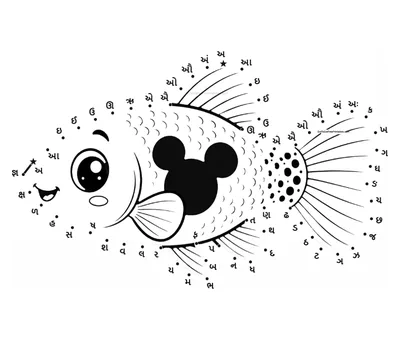
Animal fans can start with Blue Tang (50 dots) and Circus Camel (104 dots). Each card in the grid shows the dot count, suggested age range and difficulty, which come from a geometric analysis of the original puzzle rather than a guess. Ages listed across this collection include 5-7, 5-8, 6-8, 6-9. Equal dot counts do not guarantee identical spacing or turns, so look at the preview as well as the number.
How to Start a Gujarati Alphabet Connect the Dots Activity
Before handing over the pencil, put a printed or hand-written Gujarati kakko chart beside the sheet. Point to અ, આ, ઇ on the chart, then find the same labels on the picture together. Joining the first few dots as a pair makes the difference between reciting the sequence and locating a dot clear.
As the trail approaches હ, stop and ask what comes next. ળ, ક્ષ and જ્ઞ follow, then the starred અ. Planning ahead avoids jumping back to the first dot.
Use a pencil while the routine is new. If a line looks wrong, go back to the last connection you are sure about and check the order on the chart before erasing. When the same label appears in more than one place, open the ordinary numbered version of the same puzzle: it uses identical dot positions, so the number tells you which dot comes next.
Small Games That Build Gujarati Letter Recognition
Play a “Hindi or Gujarati?” game for families who read both: show one letter in each script and ask which is which, using the missing top line as the clue.
Cover a letter on the kakko with a coin and ask which one is under it. Then find it on the picture.
Use counters for rounds: one each time the trail passes જ્ઞ.
Ask a grandparent to name letters from the current section over a video call while the child points.
After colouring, write the Gujarati word for the picture underneath, if the family knows it, and find its first letter on the chart.
At Home, Gujarati Class or Weekend School
Many families outside South Asia keep a home language alive through weekend classes, grandparents on video calls and a few minutes of practice at the kitchen table. A dot-to-dot sheet slots into that rhythm because it can be finished in one sitting or spread across a week.
In a classroom, give each group a large kakko chart and show one restart at the starred અ. Pairs can take turns finding and joining.
Pick one focus per sheet, perhaps the vowel row or the closing letters, and keep everything else supported.
Common Mix-Ups and How to Fix Them
One possible slip is jumping back to the very first અ after જ્ઞ. On these sheets the next અ is a different dot, marked with a star. If a child draws a line across the whole picture, check whether that happened; erase that one line and look for the star.
A second slip is choosing a similar-looking letter that is nearby rather than the correct one further away. The trail on a dot-to-dot is not always the shortest hop. Encourage your child to find the label first and only then draw, instead of drawing towards the closest dot and checking afterwards.
Losing the place is the third. Long trails in an unfamiliar script are tiring, and a child who has paused may not remember where they were. A light pencil tick beside the last joined dot, or a small sticky note, saves a lot of searching. Stopping halfway and coming back tomorrow is perfectly fine.
Gujarati Letters and the English ABC Version Are Different Choices
Many puzzles on this site also come in an English alphabet version, labelled A to Z and then AA, AB and so on. The Gujarati version uses its own 49-label sequence and repeats it, rather than combining letters. Explain the difference if your child moves between the two collections.
Some children find it motivating to complete the same picture twice, once with English letters and once with Gujarati letters, and compare. Others prefer a new picture every time. Either works; check the download options on each puzzle page, because not every picture has every version.
For the youngest children, the ordinary numbered sheet may be the better first step. Once they can follow a sequence of numbers confidently, switching to letters adds a new challenge without changing how the puzzle works.
What These Worksheets Practise, and What Needs Another Activity
These Gujarati alphabet worksheets ask a child to recognise printed letters, recall their order and search the page for the next one. Drawing the connections also gives practice in steady, controlled lines, and the finished picture is something to colour and keep.
They are not handwriting or tracing pages. The pencil forms the outline of a picture, not the strokes of અ or ક, so stroke order and letter formation need a separate writing model. For handwriting, use a separate Gujarati copybook with stroke guidance.
They also do not teach pronunciation or vocabulary on their own. A puppy or a rocket can start a conversation about the word for it, but the labels are letters, not a word list. Use a teacher, a fluent family member or reliable audio for sounds, and add a word activity after the puzzle if reading is the goal.
Printing a Clear Gujarati Alphabet PDF
Open the puzzle you want, choose Gujarati Alphabet Version and download the PDF in A4 or US Letter. The file keeps the labels sharper than printing a screenshot or the small preview image.
Print at actual size (100%) and check one sample before making copies. Without a headline, small hooks and loops carry more of each letter’s identity, so check they print cleanly.
Use a sharp pencil for the trail and leave heavy colouring until all connections are made. Avoid shrinking several sheets onto one page; small labels in an unfamiliar script are harder to tell apart than large ones.
Check the print preview before making copies. If an edge is clipped, use the printer’s fit option or reduce the scale only enough to keep the whole drawing on one page. Check the smallest labels again after resizing.
Turn the Kakko Into a Picture Menu
Offer two previews and ask the child to choose a picture for an imaginary shop: perhaps a flower for the window or an animal for its sign. On scrap paper, write one Gujarati label from the sequence beside a tiny sketch of the choice. This is a visual matching game; the label is a puzzle marker, not the Gujarati name of the object.
During the trail, pause when that label appears and check its position on the kakko. If it appears again, ask whether this is the same dot or a new round. Finish by decorating the imaginary shop sign with the completed picture. A fluent family member can add a real word separately if they wish. Keeping invented labels and real words distinct lets the child enjoy the story without learning a false spelling.
About This Guide and Reporting a Problem
The Gujarati-letter version keeps the picture, dot positions and connection order of the original puzzle and only changes the labels, repeating the 49-label sequence described above. The round calculations on this page use that sequence and the listed dot counts.
This guide was prepared with AI-assisted drafting and editing. Puzzle examples, dot counts and final labels were checked against the site’s puzzle data; it has not been reviewed by a specialist teacher of the language. Read about the project on our About page and see our editorial policy for production, automation and correction standards.
If a label, picture or download looks wrong, report the problem with the puzzle URL and the version name, Gujarati Alphabet Version. For printing issues, include the paper size and what was clipped. See our terms of use for printing and sharing permissions. Related collections: Hindi alphabet, Marathi alphabet, Punjabi alphabet dot to dot printables.
The activity ideas are suggestions for home and classroom use, not results from a classroom trial or a promise of reading progress.
FAQ
Gujarati Alphabet worksheet FAQs
Are these Gujarati alphabet dot to dot printables free?
Yes. Every Gujarati Alphabet Version is a free PDF for home and classroom use, in A4 and US Letter, with no sign-up. Please do not resell or republish the files.
Which letters appear, and in what order?
The vowels અ to ઔ, then અં and અઃ, then the consonants ક to હ, ending with ળ, ક્ષ and જ્ઞ: 49 labels in all.
What happens after જ્ઞ?
The sequence starts again at અ, and the restart dot is marked with a small star. Continue in the same order. Because labels repeat on longer pictures, keep track of where you are rather than joining back to the first અ.
Why do Gujarati letters have no line on top?
Gujarati script is written without the continuous headline used in Devanagari. On the worksheets, each label appears as a separate letter, so children recognise it by its overall shape.
Do these worksheets teach barakhadi?
No. The trail uses the listed chart-style labels, including અં, અઃ and the closing forms ક્ષ and જ્ઞ. It does not work through the consonant-vowel combinations of a barakhadi chart. Use a separate reading or writing exercise for those combinations.
What ages are these worksheets for?
Suggested ranges in this collection include 5-7, 5-8, 6-8, 6-9, shown on each card with the dot count and difficulty. A child who is new to Gujarati letters can still join in with an adult and a kakko chart, working a section at a time.
Is there a numbers version of the same picture?
Yes. Every puzzle page also offers the ordinary numbered version with the same dot positions, which is useful for checking a confusing section or for a child who wants the picture without the letter hunt.
Can a beginner use these without knowing every letter?
Yes, with a reference letter strip and help for a short section. Choose a picture the learner likes, then pause or finish together. The card’s suggested age describes the drawing challenge, not mastery of Gujarati. Completing a picture is not a reading assessment.
Why does this Gujarati puzzle start with અ rather than ક?
This worksheet places its opening vowel and sign-bearing labels before the consonants. It starts અ, આ, ઇ; ક is the 14th label, after અઃ. A consonant-focused kakko chart may start elsewhere, so use the full sequence listed on this page for the picture.