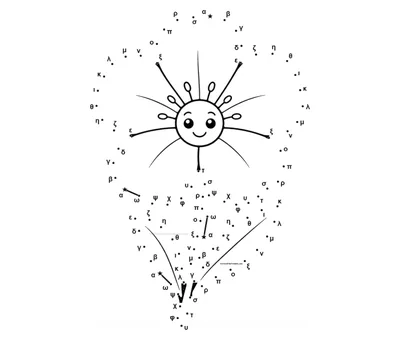
71 puzzles
Greek Alphabet Dot to Dot Printables
Free Greek alphabet dot to dot PDFs with 24 lowercase letters from α to ω. Check similar shapes and repeated rounds; print in A4 or US Letter.
Browse all 71 Greek Alphabet dot to dot puzzles
Flowers
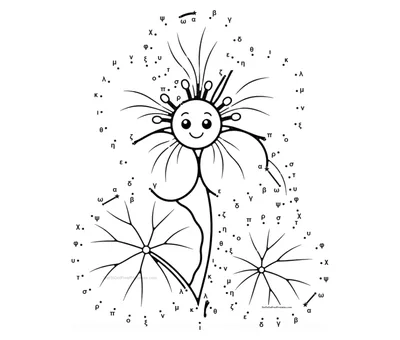
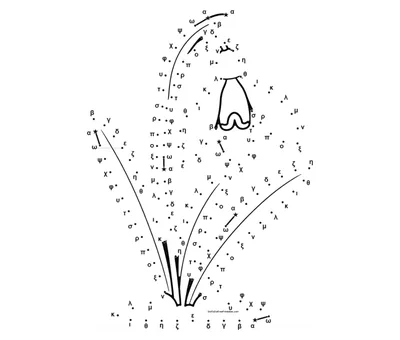
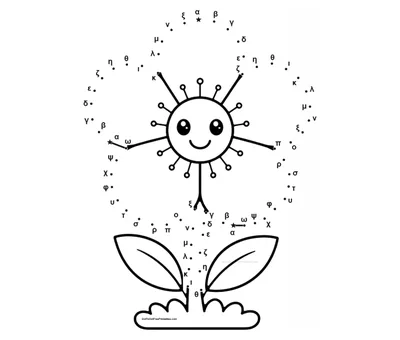
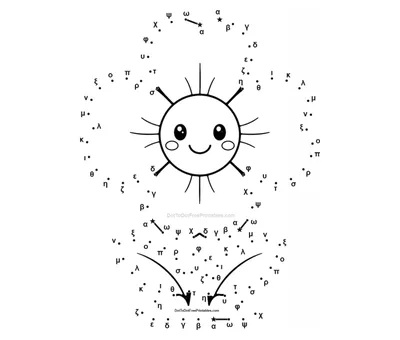

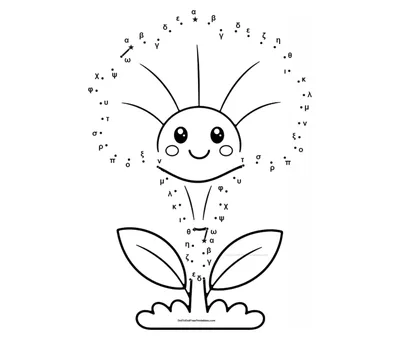
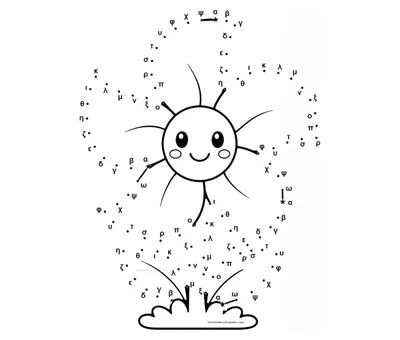
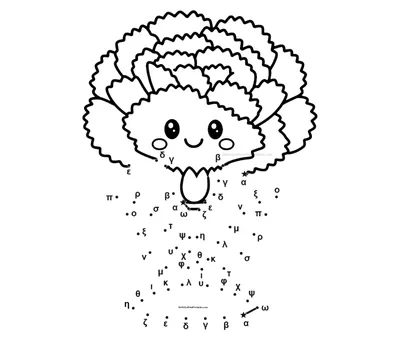
Cute
Space
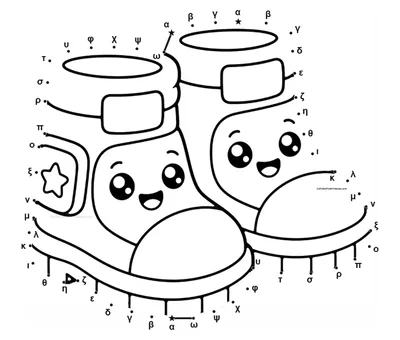
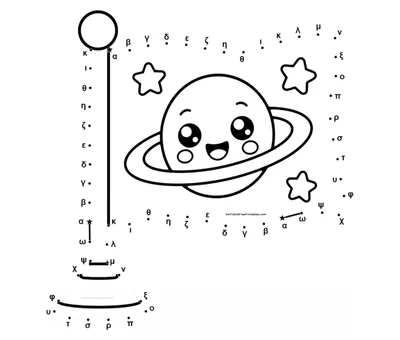
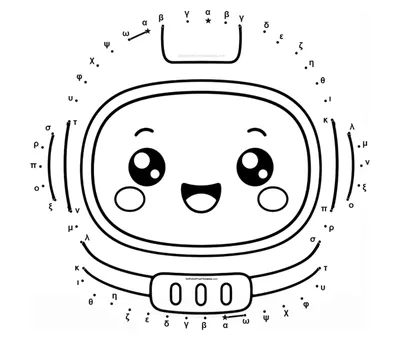
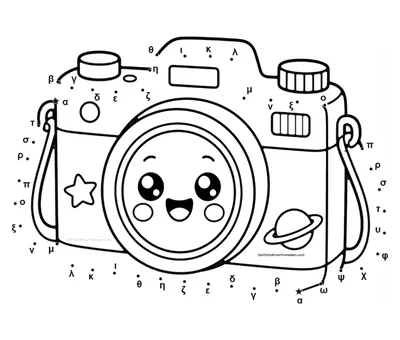
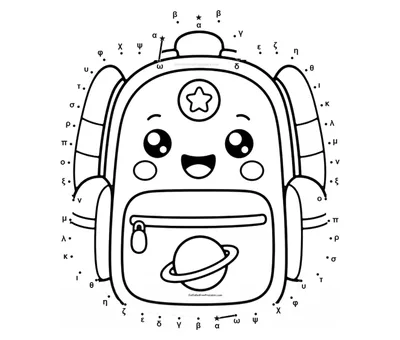
Circus
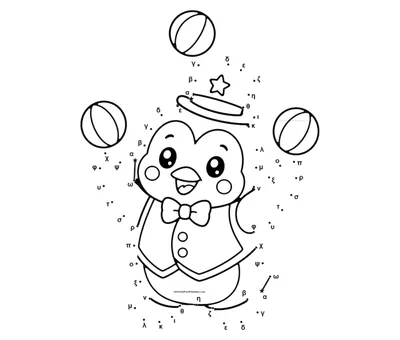
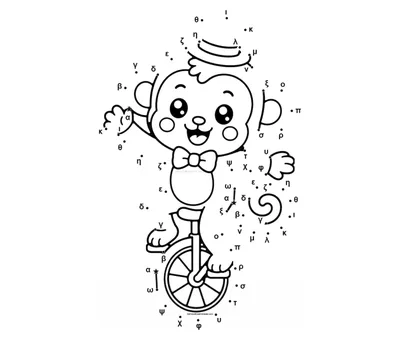
Greek Alphabet
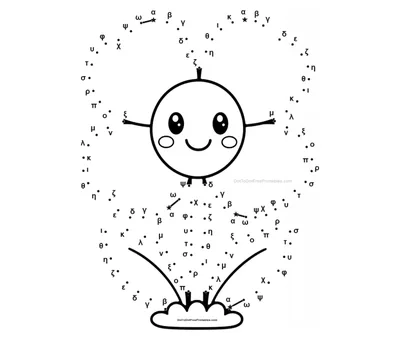
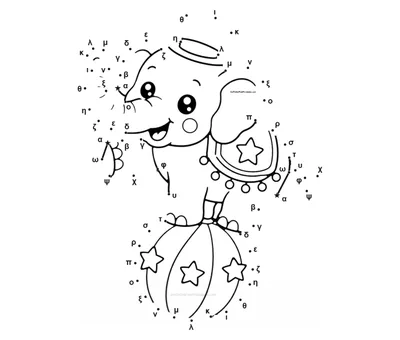
Circus Elephant Balancing on a Ball
Balance a Big-Top Star One Dot at a Time
View & Download
Halloween
Ocean
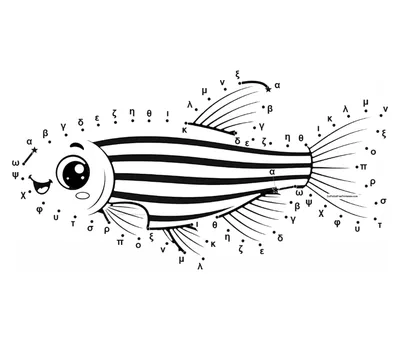
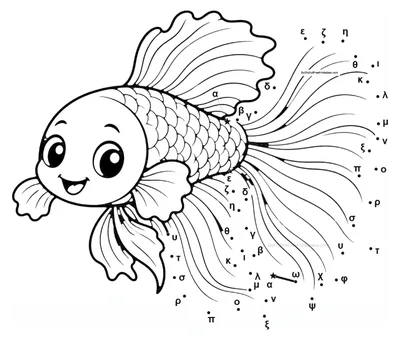
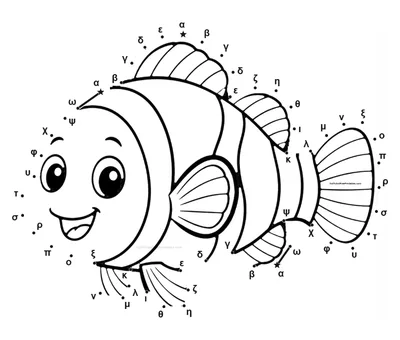
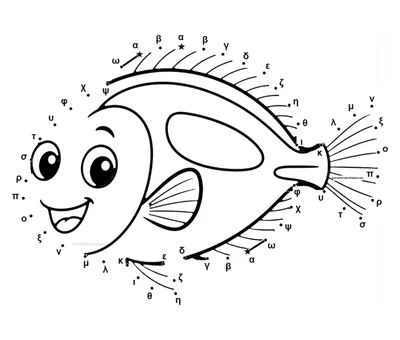
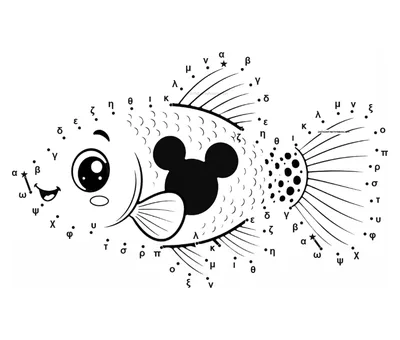
Playgrounds
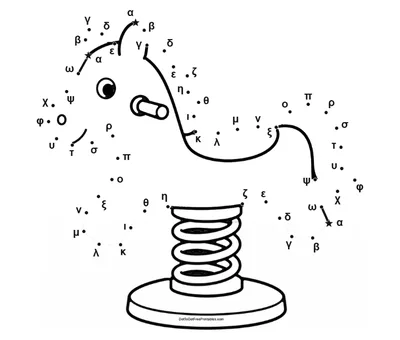
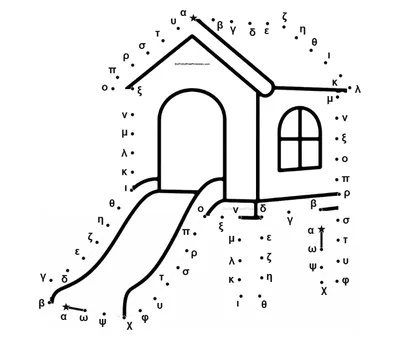
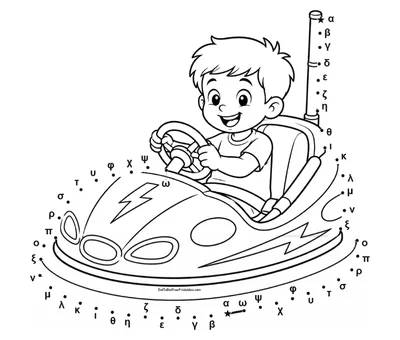
UAE
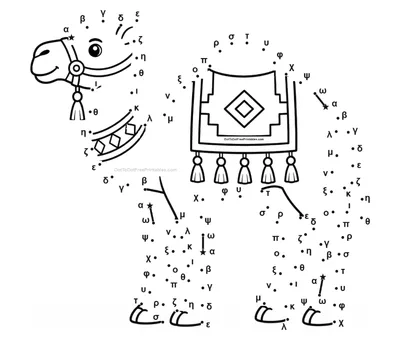
Planes
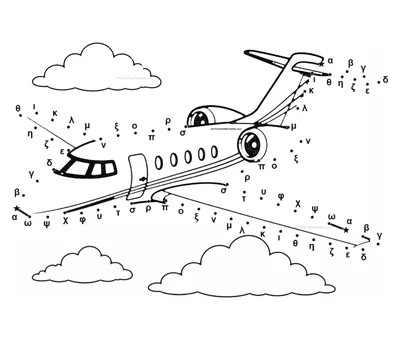
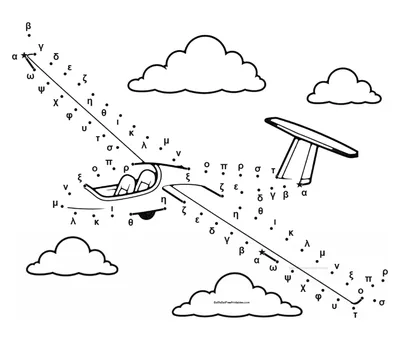
America 250 Years
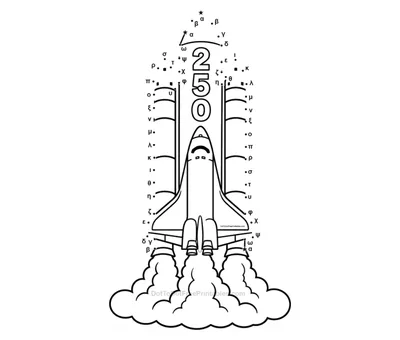
Greek Alphabet
America 250 Space Shuttle
Launch into America's 250th with the Space Shuttle!
View & Download
Canada
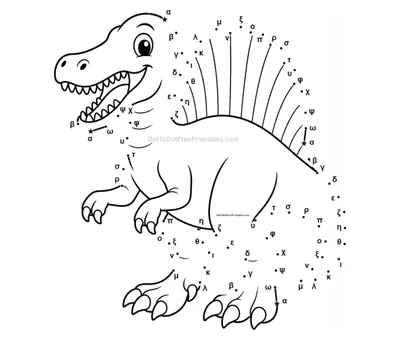
Dinosaurs
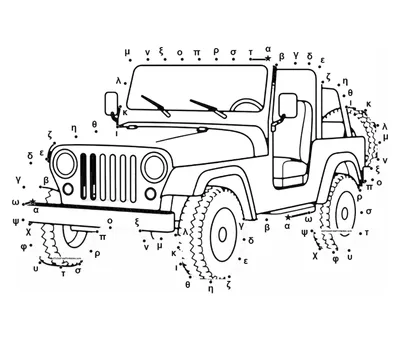
Vehicle Dot to Dots
Greek Alphabet dot to dot: a guide for parents and teachers
Greek Alphabet Dot to Dot: Follow α, β, γ to Reveal a Picture
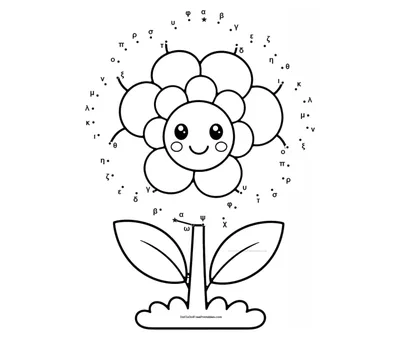
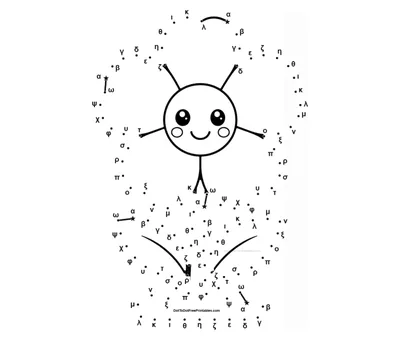
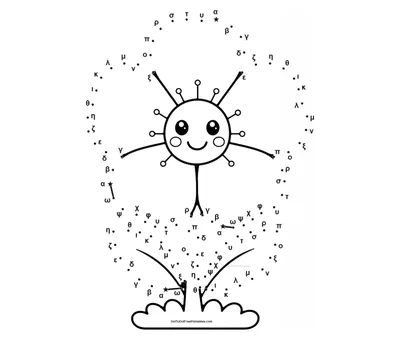
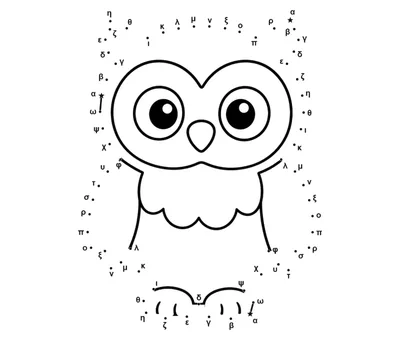
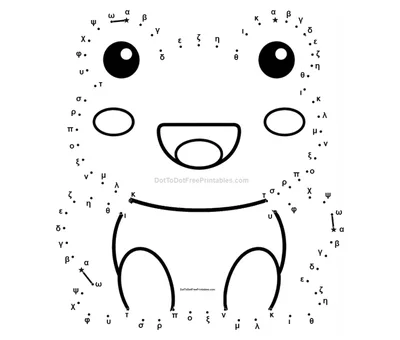
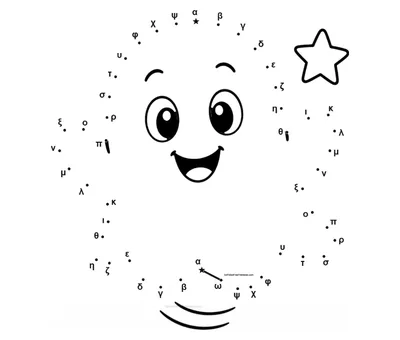
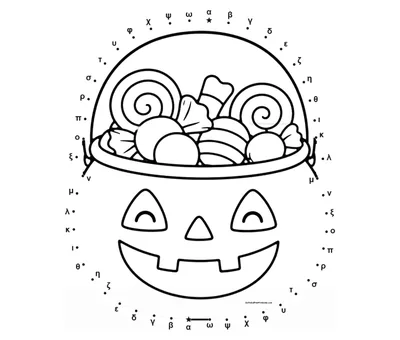
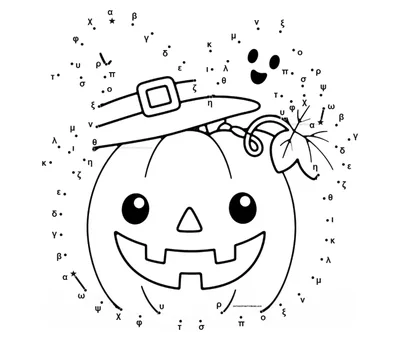
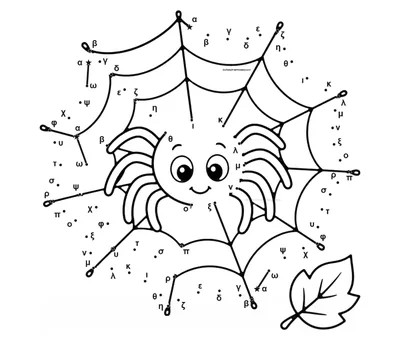
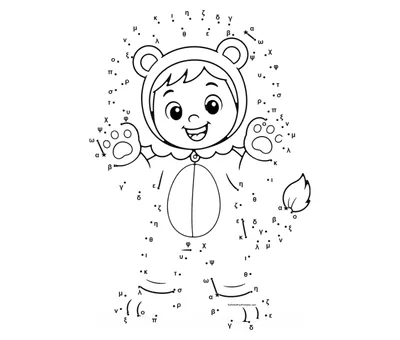
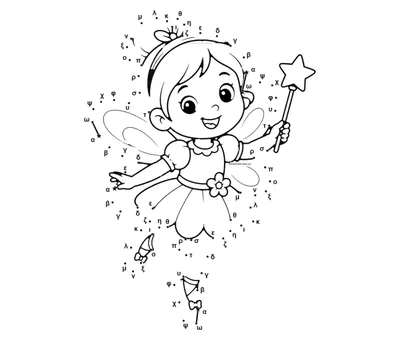
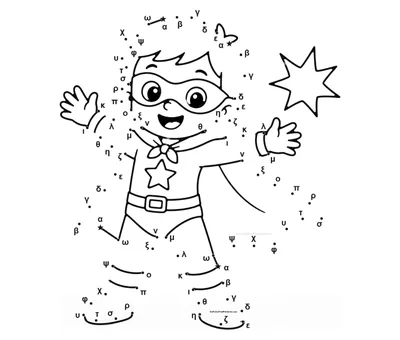
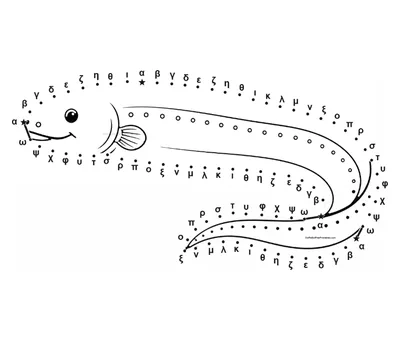
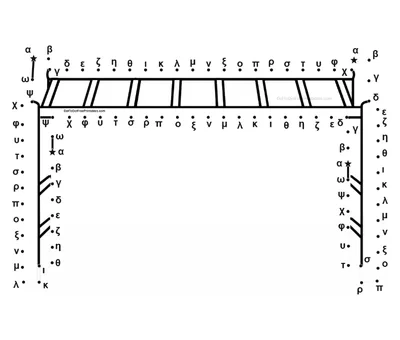
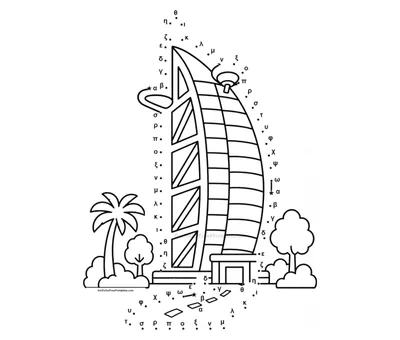
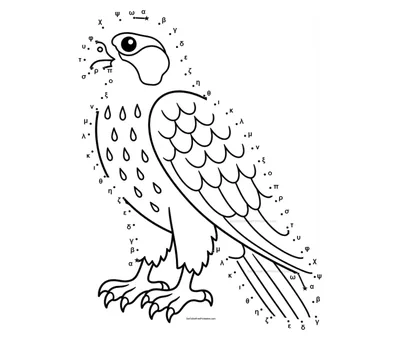
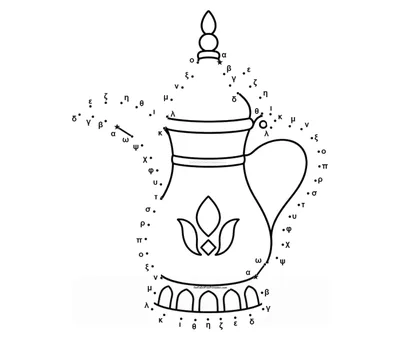
Greek alphabet dot to dot printables are picture puzzles in which each dot carries a lowercase Greek letter instead of a number. Start at α (alpha), draw to β (beta), then γ (gamma), and continue in alphabet order to ω (omega). Each correct connection adds part of an animal, flower, vehicle or space picture, and the finished outline is ready to color.
The sheets are made for children of Greek-speaking families abroad, students in Greek schools and weekend classes, and older children and adults who meet Greek letters in mathematics, science or classical studies and want a relaxed way to learn their order. Searching for the next letter makes the learner look closely at each shape.
Choose a picture in the grid and open Greek Alphabet Version on its puzzle page. The sheet keeps the same drawing, dot positions and connection order as the numbered puzzle; only the labels change. The numbered version is a handy check if a section becomes confusing.
The 24 Letters and Their Order
The Greek alphabet has 24 letters, and each round of these worksheets uses them all in order: α β γ δ ε ζ η θ ι κ λ μ ν ξ ο π ρ σ τ υ φ χ ψ ω. In English their names run alpha, beta, gamma, delta, epsilon, zeta, eta, theta, iota, kappa, lambda, mu, nu, xi, omicron, pi, rho, sigma, tau, upsilon, phi, chi, psi, omega.
Seven of the letters are vowels (α, ε, η, ι, ο, υ, ω) and seventeen are consonants. Greek school materials often teach this split, and it can be a useful way to group letters when making your own reference strip.
You can check every character in the Unicode Greek chart. Keep a printed strip of the 24 letters beside the worksheet, at least for the first few pictures.
Lowercase Only, No Final Sigma, No Accents
All labels are lowercase. Capital letters such as Α, Β and Ε look like Latin letters, but the lowercase forms are the ones children meet most when reading, and they are more distinctive. If a learner knows the capitals, match each capital to its lowercase partner before starting.
Sigma has two lowercase forms in ordinary writing: σ, used at the start and in the middle of a word, and ς, used at the end of a word. The worksheets use only σ, because the labels are single letters in alphabet order rather than words.
Greek words are written with an accent mark (τόνος) on most words of more than one syllable, but single letters in alphabet order do not need one, so the labels have no accents. If you add a word activity after the puzzle, follow your teacher’s or textbook’s spelling, including accents.
Letters That Look Like English Letters but Are Not
Several lowercase Greek letters resemble Latin letters with different values. ν (nu) looks like an English v, ρ (rho) like a p, η (eta) like an n, and υ (upsilon) like a u. Children who already read English may name them by the English letter they resemble.
Within Greek itself, some pairs are easy to confuse in small print: ν and υ, ο and σ, ε and ξ, ζ and ξ. Point out the pairs your child actually mixes up and compare them large on paper.
The alphabet order is a helpful check. If the trail has just reached μ, the next label must be ν, not υ, which only comes after τ. Thinking “what should come next?” prevents many wrong connections.
After ω, a New Round Starts at α
A full round has 24 labels. When a picture has more dots, the order starts again at α, and the restart dot carries a small star. That α begins the next part of the drawing; do not draw back to the very first α.
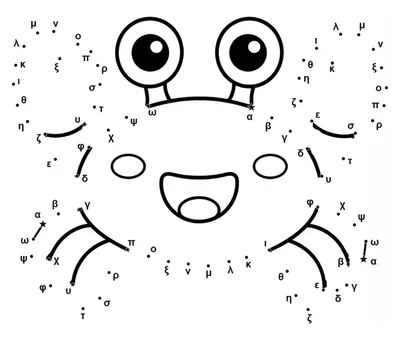
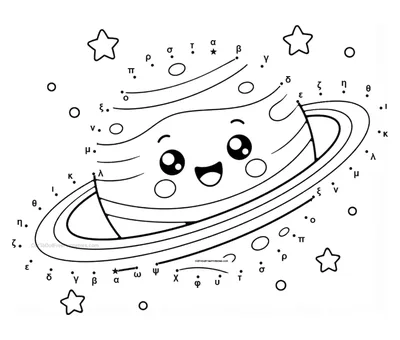
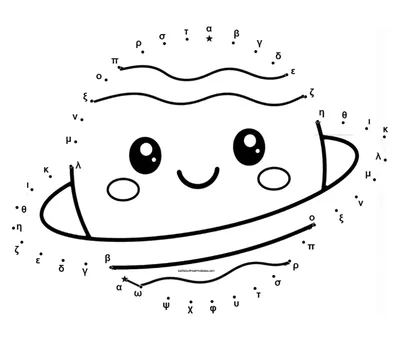
The 72-dot Cheerful Crab is exactly three complete rounds, so it ends at ω. The 43-dot Ringed Planet completes one round and stops at τ in the second, and the 66-dot Rose Flower completes two rounds and ends at σ.
The 145-dot Snowdrop Flower is the longest example: six complete rounds use 144 dots, and the last dot starts a seventh round, so it ends at α. On long sheets the same letter appears many times, so keep track of which round you are in.
Choosing a Picture
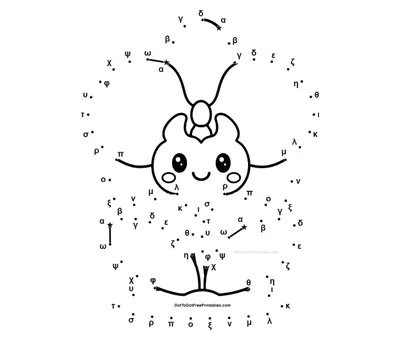
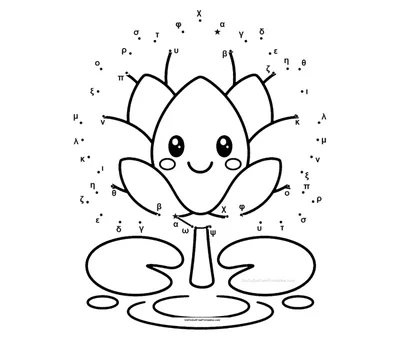
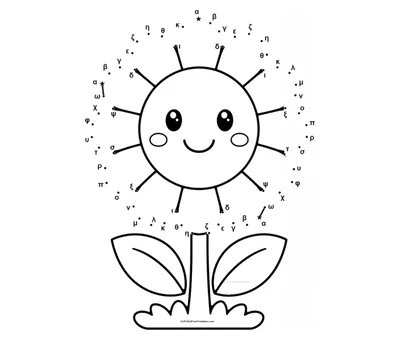
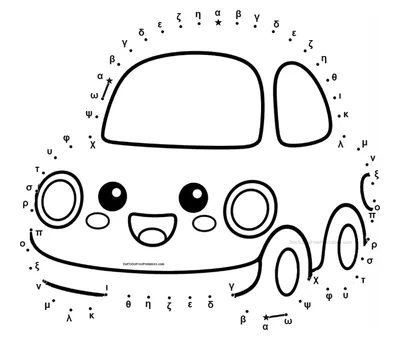
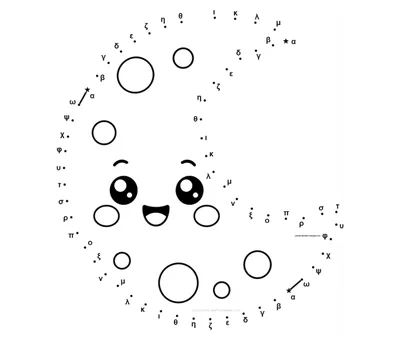
For a first sheet, the 43-dot Space Camera and Ringed Planet both end at τ, the 45-dot Camellia Flower at φ and the 46-dot Lotus Flower at χ. Each passes through the whole alphabet once before starting a second round.
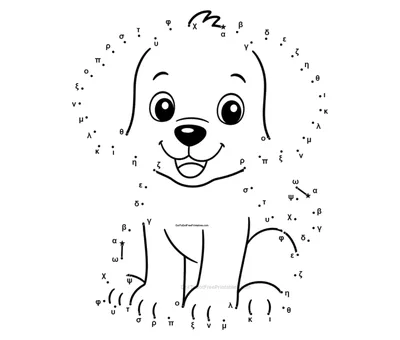
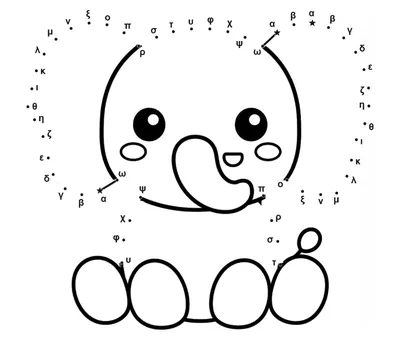
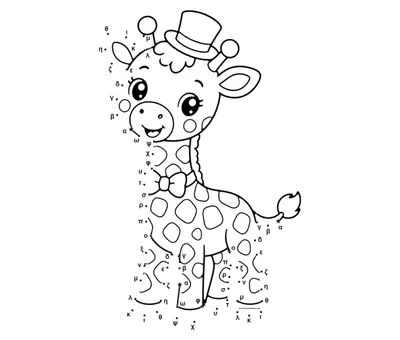
For animal lovers, the 50-dot Cute Baby Elephant ends at β in its third round and the 70-dot Cute Puppy at χ. The 60-dot Circus Giraffe ends at μ, and the 67-dot Cute Butterfly and Glider both end at τ.
Cheerful Crab is rated harder than the others listed here and is suggested for ages 6 to 9. Each card shows the dot count, suggested age range and difficulty. Equal dot counts do not mean equal difficulty, so look at the preview too.
How to Start
Read the first few letters on the strip together, α to ε, saying their names. Ask the child to point to each on the strip and then on the picture, and make the first few connections together.
Pause at natural break points, for example after κ and after π, and ask what comes next. Breaking 24 letters into short groups makes it easier to recover the place after a pause.
Use a pencil while the routine is new. If a line seems wrong, go back to the last certain connection and check the strip. If needed, open the numbered version of the same picture: the dots are in the same places, so the number shows the next dot.
Small Games for Greek Letter Recognition
Look-alike sort: write v, p, n and u on cards and ν, ρ, η and υ on others. Talk about how each pair looks similar but belongs to a different alphabet, then find the Greek letters on the worksheet.
Vowel hunt: before connecting, find every vowel (α, ε, η, ι, ο, υ, ω) in the first round and mark it lightly on the reference strip, not the worksheet. This groups the letters in a way Greek teachers often use.
Maths and science spotting: older children can look for π, α, β, Δ or Σ in their maths and science books after finishing a picture. Recognizing a letter outside the puzzle shows why it is worth learning.
Round counter: put a counter aside each time the trail reaches ω. Cheerful Crab finishes with exactly three counters.
Using the Sheets at Home or in Class
At home, let the child choose a picture and decide whether to finish it in one go. If you stop partway, note the last letter reached. A shorter sheet done carefully is better practice than a long one finished by guessing.
In a Greek school or class, set one goal per session, such as naming the letters from λ to π without the strip, or telling ν from υ. Pairs can take turns, one reading the next letter aloud and the other finding and connecting it.
For older students meeting Greek letters in mathematics or science, completing a 24-label round is a quick, low-pressure way to learn the full order and the lowercase shapes.
What the Worksheets Practise, and What They Do Not
A Greek alphabet dot to dot practises recognizing printed lowercase letters, recalling the order and scanning a page for the next target. Drawing the lines also gives practice in pencil control, and the finished picture is something to color and keep.
They are not handwriting sheets: the pencil traces a picture outline, not the strokes of each letter. Use your school’s handwriting model for letter formation. The labels are single letters, so the puzzles do not teach reading words, accents or spelling.
They do not teach pronunciation. Letter names and sounds in Modern Greek differ from the traditional English names listed above, so use a Greek teacher, speaker or reliable audio resource for how letters are said.
Printing a Clear PDF
Open the chosen puzzle, select Greek Alphabet Version and download the PDF for A4 or US Letter paper. Printing from the PDF keeps the labels sharper than printing a screenshot.
Print at actual size or 100% and check one copy first. Make sure similar letters such as ν and υ, or ζ and ξ, can still be told apart. Avoid shrinking the page.
Use a sharp pencil for the trail and leave coloring until all the connections are done, so the labels stay readable.
Check the print preview before making copies. If an edge is clipped, use the printer’s fit option or reduce the scale only enough to keep the whole drawing on one page. Check the smallest labels again after resizing.
Three Worked Examples: Saturn, Circus Tent and Tulip
The Greek set has 24 letters, so any picture with more than 24 dots completes one round and begins another. Three pictures show how that plays out. Saturn has 43 dots: one full round from α to ω, then a second round that stops at τ. It offers one restart to practise, with fewer dots than the other two examples. Check the preview and the learner’s familiarity with the labels before choosing.
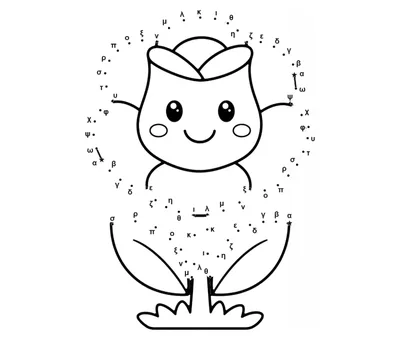
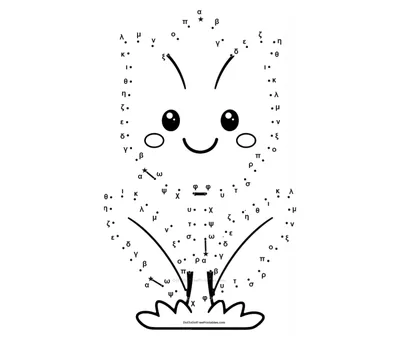
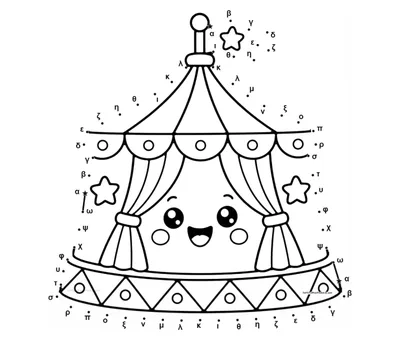
Circus Tent has 59 dots, which is two full rounds and a third that ends at λ. Before starting, ask the child to find the first α and then the second α on the sheet; seeing that the letter repeats prevents confusion later. Tulip Flower has 88 dots, so it needs three full rounds and a fourth that ends at π. Save it for a child who already finishes the shorter pictures without help.
A Greek Letter Detective Challenge
Give the learner one small detective job before the first line: find ν and υ on the reference strip and describe a difference they can actually see. Then point to μ, predict the next label and locate ν on the picture. Keep the strip beside the sheet; using a reference is part of the activity, not a penalty.
When the picture is finished, choose a different pair for the next visit instead of automatically choosing more dots. A learner might connect a long trail by remembering the picture but still confuse two letters. Ask them to find the target on a different drawing to try a fresh search. For a playful finish, invent a name for the finished creature or spacecraft and let the child explain which part appeared first.
About This Guide and Reporting a Problem
The Greek Alphabet Version keeps each picture and its connection order, replacing the numbers with the 24 lowercase Greek letters and repeating them on longer pictures. The round and end-letter calculations on this page come from that sequence and each puzzle’s dot count.
This guide was prepared with AI-assisted drafting and editing. Its puzzle examples and calculations were checked against the site’s puzzle data, and the letter order against the standard Greek alphabet. Read about the project on our About page and see our editorial policy for how content is produced and corrected.
If a letter, dot or download looks wrong, report the problem with the puzzle URL and the version name, Greek Alphabet Version. See our terms of use for printing and sharing permissions.
The activity ideas are suggestions for home and classroom use, not results from a classroom trial. This guide has not been reviewed by a specialist teacher.
FAQ
Greek Alphabet worksheet FAQs
Are these Greek alphabet worksheets free?
Yes. Every Greek Alphabet Version is a free PDF for home and classroom use in A4 and US Letter. Open a picture’s page, select the Greek version and download it. No sign-up is needed.
Which Greek letters are used?
All 24 letters in lowercase, in order: α β γ δ ε ζ η θ ι κ λ μ ν ξ ο π ρ σ τ υ φ χ ψ ω. The final form ς is not used, and labels have no accent marks.
What happens after ω?
The order starts again at α, and that restart dot has a small star. Continue the new round in the same order without connecting back to the first α.
Which picture ends exactly at ω?
Cheerful Crab has 72 dots, exactly three rounds of 24, so it ends at ω. Rose Flower has 66 dots and ends at σ in its third round.
My child reads ν as “v” and ρ as “p”. Is that normal?
It is a common mix-up for children who already read English, because the shapes look similar. Compare the pairs on paper and use the alphabet order as a check: ν comes after μ, and ρ after π.
Is it only for Greek speakers?
No. It suits children in Greek school or heritage classes, and older children and adults who meet Greek letters in maths, science or classical studies.
Do the sheets teach Greek pronunciation or handwriting?
No. They practise recognizing letters and their order. Use a Greek teacher or audio for sounds and your school’s model for handwriting.
What age are they for?
Most pictures are suggested for ages 5 to 7 or 5 to 8, with a few for 6 to 8 or 6 to 9. Each card shows the age range, dot count and difficulty.
Which Greek alphabet picture should a five-year-old start with?
All three of these pictures are listed for ages 5 to 7. Start with Saturn (43 dots, ending at τ in the second round), then try the Circus Tent (59 dots). Move to the Tulip (88 dots, four rounds) when the restart after ω feels easy.
Can a beginner use these without knowing every letter?
Yes, with a reference letter strip and help for a short section. Choose a picture the learner likes, then pause or finish together. The card’s suggested age describes the drawing challenge, not mastery of Greek. Completing a picture is not a reading assessment.
Why does the Greek worksheet use σ rather than ς?
The labels are isolated letters in alphabet order, so this set uses σ. The final-sigma form ς is not an extra label after σ. Follow ρ, σ, τ on the trail; use a separate word-reading activity to explore where the two sigma forms appear in Greek writing.