71 puzzles
Korean Hangul Dot to Dot Printables
Free Hangul dot to dot PDFs with 14 consonants and 10 vowels as separate jamo. Follow the 24-label sequence and marked restarts; A4 and US Letter.
Browse all 71 Korean Hangul dot to dot puzzles
Flowers
Cute
Space
Circus
Korean Hangul
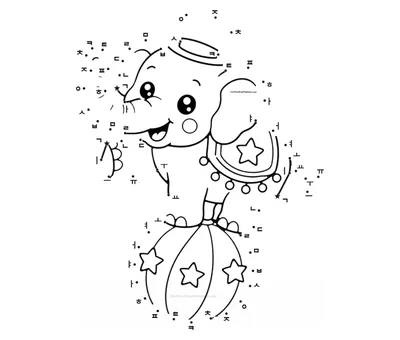
Circus Elephant Balancing on a Ball
Balance a Big-Top Star One Dot at a Time
View & Download
Halloween
Ocean
Playgrounds

UAE

America 250 Years
Korean Hangul
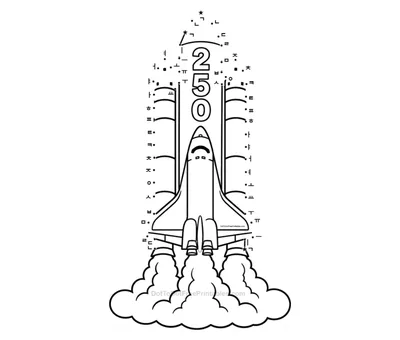
America 250 Space Shuttle
Launch into America's 250th with the Space Shuttle!
View & Download
Korean Hangul
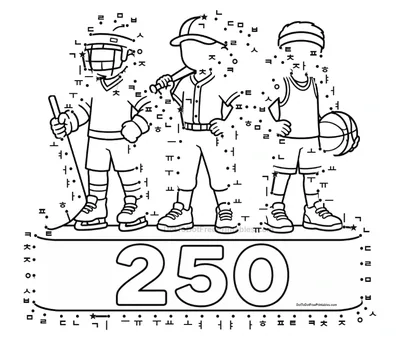
America 250 Anniversary Sports Kids Podium
Cheer for America's Young Champions at 250!
View & Download
Planes
Canada
Dinosaurs
Garden
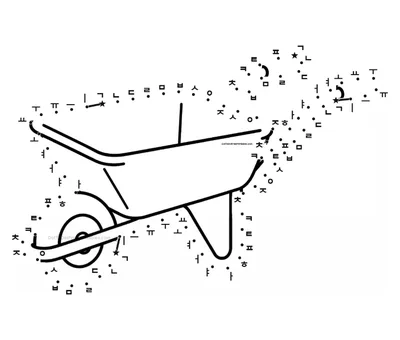
Korean Hangul Dot to Dot: Consonants, Vowels and Picture Practice
Follow ㄱ, ㄴ, ㄷ to Uncover a Picture
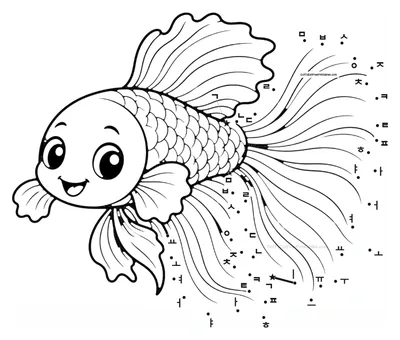
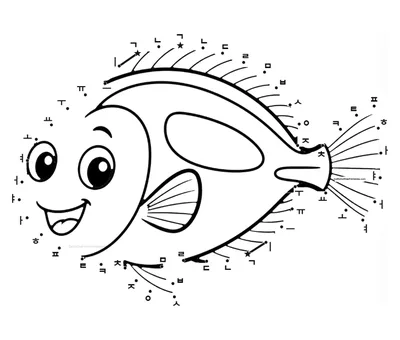
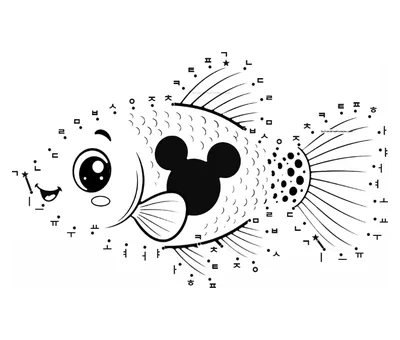
Korean alphabet dot to dot printables use Hangul, with Korean letter labels beside the puzzle points. Begin with ㄱ, continue to ㄴ and ㄷ, and follow the worksheet sequence until the drawing is complete. The letters guide the route through an animal, flower or other picture that you can color afterward.
This collection explains the activity in English while keeping Hangul on the downloadable worksheets. It can accompany a beginner Korean lesson, a family language activity or a classroom review station. A reference chart is welcome: you can practice recognizing the characters before you know the whole order from memory.
Open a picture and select Korean Hangul Version before downloading. Each sheet keeps the picture and connection order of the original numbered puzzle. The difference is the set of labels you search for, so a familiar drawing can become a new letter-recognition task without requiring a different outline.
The Worksheet Sequence: 14 Consonants, Then 10 Vowels
Each round begins with these 14 basic consonants: ㄱ, ㄴ, ㄷ, ㄹ, ㅁ, ㅂ, ㅅ, ㅇ, ㅈ, ㅊ, ㅋ, ㅌ, ㅍ, ㅎ. The sequence then continues with ten basic vowels: ㅏ, ㅑ, ㅓ, ㅕ, ㅗ, ㅛ, ㅜ, ㅠ, ㅡ, ㅣ. That makes 24 positions in a complete round.
This is the precise order used for the puzzle labels. Keep a matching strip beside the picture and point to the next character before finding it on the page. Other teaching materials may arrange consonants and vowels separately, so show how the two groups join into one continuous trail here.
The Unicode Hangul Compatibility Jamo chart provides a reference for the individual character shapes used in the labels. The worksheet set stays with these basic consonants and vowels; it does not add double consonants, compound vowels or every possible Korean syllable.
Individual Letters Are Not the Same as Syllable Blocks
The Hangul labels here are individual letters, often called jamo. In ordinary Korean writing, letters combine into syllable blocks. This puzzle separates them so you can look closely at each shape. Joining the puzzle points forms a picture, not a row of Korean words or correctly assembled syllable blocks.
That distinction matters when choosing a worksheet. If the lesson is about recognizing ㄱ or finding ㅏ, this collection offers a visual search activity. If the lesson is about combining letters into a block, reading words or placing a final consonant, use a separate exercise designed for that skill.
You can connect the activities afterward. Select a letter that appeared in the trail and find it in a syllable example from your lesson materials. Make clear that the new example is reading practice added to the picture activity. The worksheet itself does not encode the Korean name of the animal or object it reveals.
After ㅣ, the Next Round Starts at ㄱ
A complete round ends with ㅣ in position 24. If the picture continues, ㄱ begins the next round and a small star marks that restart point. Follow the repeated sequence through the new part of the drawing. Do not go back to the first ㄱ or reuse a point you have already connected.
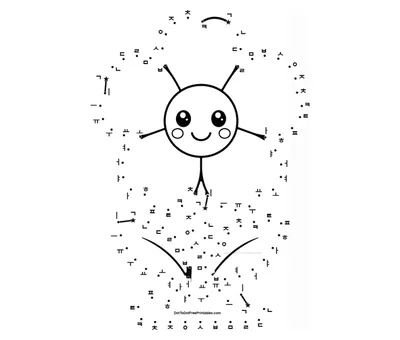
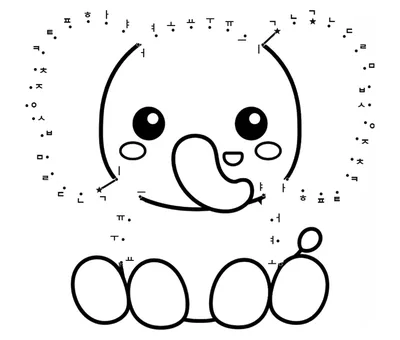
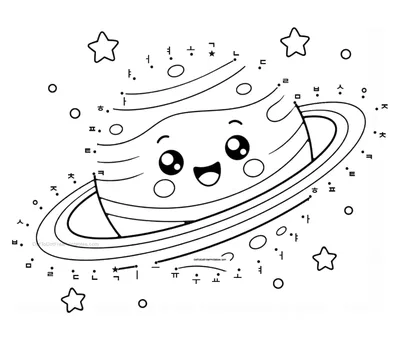
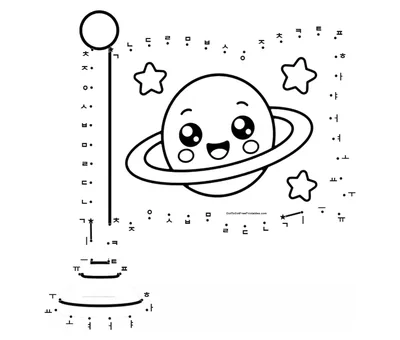
The 43-dot Ringed Planet contains one complete round and 19 more labels. It finishes at ㅗ, partway through the vowel group in its second round. The 50-dot Cute Baby Elephant contains two full rounds, followed by ㄱ and ㄴ, so its final label is ㄴ.
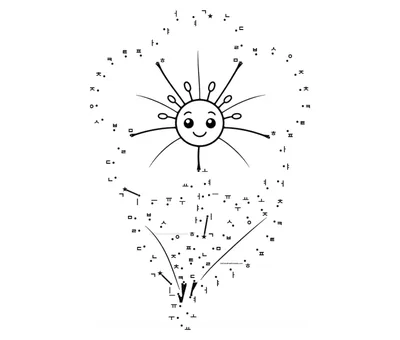
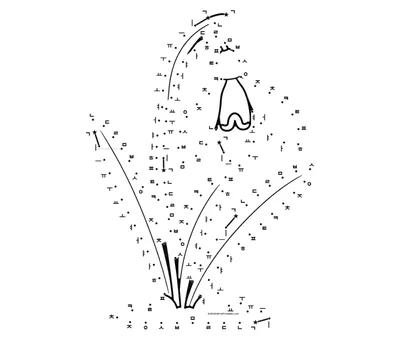
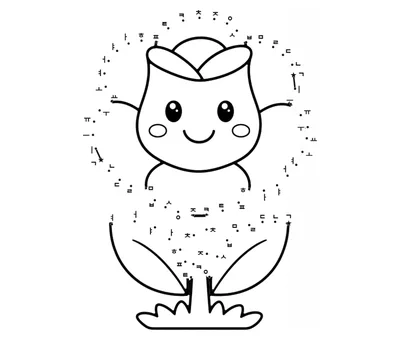
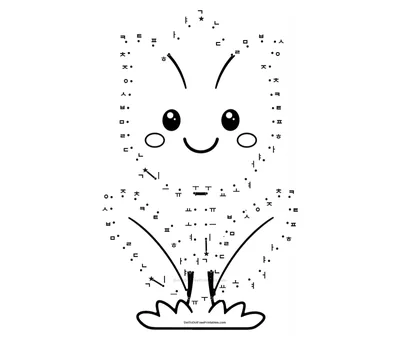
For a longer example, the 145-dot Snowdrop Flower contains six complete sets of 24 plus the first label of the next round. It ends at ㄱ. Those repeated characters make round tracking useful: pause at each restart, check the next position and keep a finger near the current section if necessary.
Choose an Animal, Flower or Space Picture
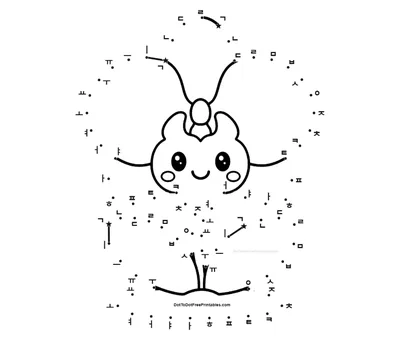
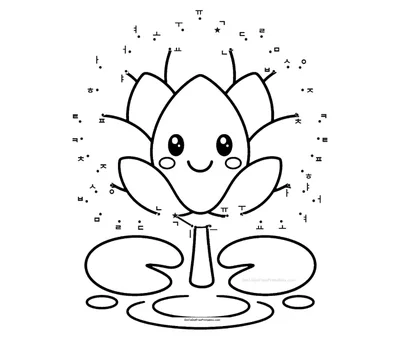
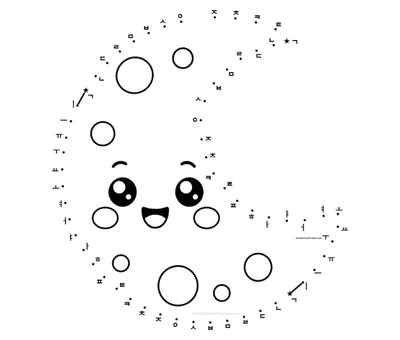
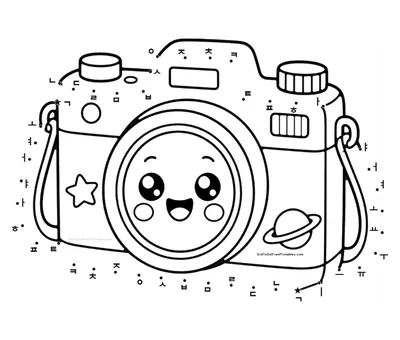
For a shorter trail, compare Space Camera at 43 dots with Camellia Flower at 45 and Lotus Flower at 46. Each still repeats some of the 24-label sequence. These are complete picture puzzles, rather than worksheets that stop after introducing only a few consonants.
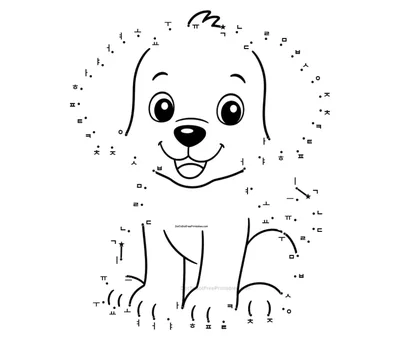
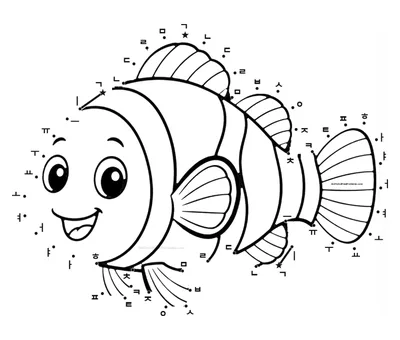
An animal-loving learner might choose Cute Baby Elephant with 50 dots, Clownfish with 53 or Cute Puppy with 70. The puppy stays just short of three complete rounds, while the elephant enters its third round only briefly. Choosing a favorite animal gives the repeated letter search a picture to work toward.
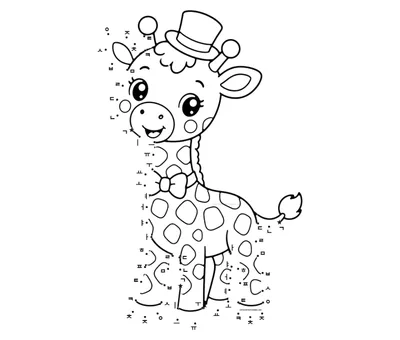
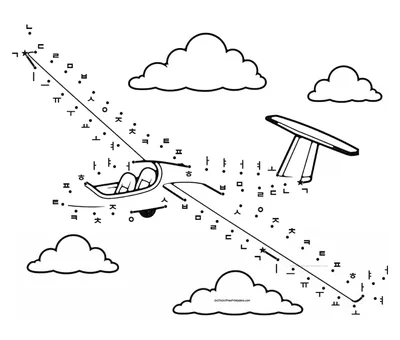
For a different subject, Circus Giraffe has 60 dots and Glider has 67. Use each page’s preview and individual guidance when deciding between them. Dot count describes how many labels appear, but it does not tell you everything about spacing, changes in direction or how the drawing feels to follow.
Look for the Direction and Number of Small Strokes
Some vowel pairs reward careful observation. Compare ㅏ with ㅓ and notice which side the short stroke occupies. Compare ㅗ with ㅜ and notice whether the short stroke is above or below. Use large examples on separate paper before trying to identify the small printed labels in the puzzle.
Next compare ㅏ with ㅑ, or ㅗ with ㅛ. Counting the short strokes helps explain the visual difference. The task is to notice the exact printed character, not rotate or redraw it until it resembles the one you expected. Turn the paper back to its normal reading position when checking a label.
The vowel ㅡ is a horizontal character, and ㅣ is vertical. On a busy drawing, either can look like a stray line if you are not expecting it. Show both on the reference strip before reaching the end of the vowel group. Keep coloring and heavy pencil marks away from the labels until the connections are finished.
A Simple Routine for the First Hangul Worksheet
Begin with a matching sequence strip and a pencil. Point to ㄱ, ㄴ and ㄷ on the strip, then locate the first three positions on the picture. Connect a short stretch together. If pronunciation is part of the lesson, use the letter names or sound model supplied by your teacher rather than guessing from English.
At ㅎ, pause and show the transition into the vowel group beginning ㅏ. This is a useful checkpoint because learners may have practiced consonants and vowels on separate charts. Continue through the ten vowels, then identify the marked ㄱ that begins the next round.
If the next character seems to appear in several places, stop before drawing. Check which round you are in and compare the relevant section with the original numbered version. The numbered sheet follows the same points, making it a practical reference when repeated Hangul labels are difficult to distinguish by position.
Five Games for Consonant and Vowel Recognition
Start with a group-sorting game away from the worksheet. Pick a few labels from the current lesson and place them under consonant or vowel headings. Then find those characters in the trail. This makes the change from the first group to the second more noticeable without marking over the printed puzzle.
Try a direction detective game with a vowel pair. Show ㅏ and ㅓ at a large size and ask what changes. Once the learner can explain it, find one of the pair on the picture. Use a different pair next time rather than turning the whole worksheet into a long comparison exercise.
Play “one stroke or two?” with ㅗ and ㅛ, or ㅜ and ㅠ. Point to a large example and count the short strokes together. Then return to the puzzle and identify the exact label needed next. The reference stays available if the smaller print is challenging.
Use a round counter with one token for every completed set of 24. On a 50-dot Baby Elephant, two full sets leave two labels to connect. Counting rounds can make progress easier to see when the same consonants keep appearing in different places.
Finish with a partner challenge. One person points to the next character on the sequence strip while the other finds it on the picture. Swap roles after a short section. This lets two learners participate even if one is more comfortable recalling the sequence and the other prefers drawing.
Hangul Sounds Need More Than an English Letter Match
It can be tempting to rename every Korean character with a single English letter and follow those substitutes instead. For the picture task, that can distract from recognizing the actual Hangul shape. Keep the Korean labels visible and use a teacher or trusted audio lesson when adding pronunciation practice.
Letter names and sounds in words are related but different teaching tasks. A picture worksheet cannot explain all the pronunciation changes that happen in Korean reading. Decide whether your current activity asks for silent matching, naming letters or reviewing sounds, and support that choice with appropriate lesson material.
An English-speaking adult can still help without pretending to know every pronunciation. Point to the matching characters, check the sequence and help locate the next dot. Invite a Korean-speaking teacher, family member or audio resource to supply the spoken model when needed. Accurate visual practice is a useful, limited goal on its own.
Using Hangul Worksheets for Kids at Home and in Class
For a beginner lesson, choose a small group to review before starting the complete picture. A child who knows only the first few consonants can connect those with support while an adult helps with the rest. The printable is not restricted to that small group, so explain that the full trail includes unfamiliar labels too.
In a classroom, keep a 24-character strip at each station and demonstrate the consonant-to-vowel transition. Pairs can alternate finding and drawing. If students take a break, have them record the current position on a separate note so that the next session begins from the correct round.
At home, let the learner choose whether to color the finished outline or add a background. Adults studying Korean can use the same pictures for a change from flashcards. There is no need to time the activity or treat a longer trail as a better result; careful recognition and a clear route are more useful than rushing.
Printing the Hangul PDF Clearly
Open the chosen picture page and select Korean Hangul Version. Choose an A4 or US Letter PDF to match the paper in your printer, and inspect the available orientation options. Downloading the PDF is preferable to printing a small screenshot, especially when short strokes distinguish one vowel from another.
Check print preview at actual size or 100% scale. If the printer clips an edge, adjust the settings enough to keep every label and point visible. Print one sample before making multiple copies. Look closely at the small strokes in ㅑ, ㅕ, ㅛ and ㅠ and the horizontal label ㅡ.
For other letter systems, the English alphabet collection follows A–Z and combined-letter labels, while the Japanese hiragana collection follows a separate 46-kana sequence. Stay with Hangul for Korean letter practice and check the selected version before downloading another familiar picture.
About This Guide and Reporting a Problem
The Hangul version keeps the picture and connection order while repeating the 24 individual letters described above. The round calculations use that sequence and the listed dot counts. The labels support recognition practice and do not represent a complete Korean reading or pronunciation lesson.
This guide was prepared with AI-assisted drafting and editing. Its puzzle examples and sequence calculations were checked against the site’s puzzle data. Read about the project and its creator on our About page, and see our editorial policy for production, automation and correction standards.
If a letter, number or download looks wrong, report the problem with the puzzle URL and the version name, Korean Hangul Version. For a printing issue, include the paper size and what was clipped or unclear. See our terms of use for printing and sharing permissions.
Questions about the worksheets
Korean Hangul worksheet FAQs
Are the Korean Hangul dot to dot PDFs free?
Yes. The Korean Hangul Version of each linked picture is available as a free printable PDF for home and classroom activities. Open a puzzle, select the Hangul version and choose your paper size. You can browse the picture subjects before deciding which worksheet to print.
Which Hangul letters do the worksheets use?
The set contains 14 basic consonants followed by ten basic vowels, making 24 labels per round. It begins ㄱ, ㄴ, ㄷ and finishes with the vowel ㅣ. Keep a reference strip with this exact sequence nearby while the order is still unfamiliar.
Do the labels form Korean words or syllable blocks?
No. These are individual letter labels placed beside puzzle points. Their sequence guides the drawing but does not spell the subject’s Korean name. Use a separate lesson for assembling syllable blocks, reading words or practicing consonants in different positions within a syllable.
What happens when the worksheet reaches ㅣ?
If the picture has more dots, the sequence starts again at ㄱ. A small star marks the restart point. Continue through the new round rather than returning to the original starting position. The same character can occur several times on a longer drawing.
Why does one label look like a horizontal line?
The horizontal character ㅡ is one of the ten basic vowels in this worksheet set. It is a deliberate label, not a stray drawing mark. Compare it with the vertical vowel ㅣ on a large reference strip before reaching that part of the trail.
Are double consonants and compound vowels included?
No. This label set stays with the selected 14 basic consonants and ten basic vowels. It is a focused recognition activity rather than a complete chart of all Korean letter combinations. Add separate materials when your lesson reaches double consonants, compound vowels or syllable construction.
Which picture helps explain repeated 24-letter rounds?
Cute Baby Elephant has 50 dots: two full rounds account for 48 positions, then ㄱ and ㄴ complete the picture. Ringed Planet has 43 dots, so it finishes partway through its second round at ㅗ. Both provide concrete examples of the repeating sequence.
Can a beginner use these Korean alphabet worksheets?
Yes, with a sequence strip and help where needed. Review a small set of characters first, then connect that section together. The complete pictures include consonants and vowels across repeated rounds, so a beginner does not need to finish independently for the activity to be useful.
Do these puzzles teach Hangul handwriting?
They ask you to draw lines between puzzle points, not to form the strokes of the Hangul letters themselves. Use a separate writing guide for handwriting and stroke order. The puzzles can accompany that practice by giving the printed character shapes another context to recognize.
How can I distinguish similar vowel labels on the page?
Compare large examples before searching the picture. Notice which side the short stroke is on in ㅏ and ㅓ, or how many short strokes appear in ㅗ and ㅛ. Keep the worksheet upright and avoid coloring over labels until the trail is complete.
What comes between the Hangul consonants and vowels on the trail?
Nothing is inserted between the groups. The 14th label is ㅎ and the 15th is ㅏ, so connect those points and continue through the ten listed vowels. After the 24th label, ㅣ, a longer picture starts another round at the starred ㄱ. The group boundary is not a stopping point unless you choose to pause.