72 puzzles
Arabic Numbers Dot to Dot Worksheets
Free Arabic numbers dot to dot PDFs with ١٢٣ labels. Practice reading Arabic-Indic digits, compare the matching 123 version, and print in A4 or US Letter.
Browse all 72 Arabic numbers dot to dot puzzles
Flowers
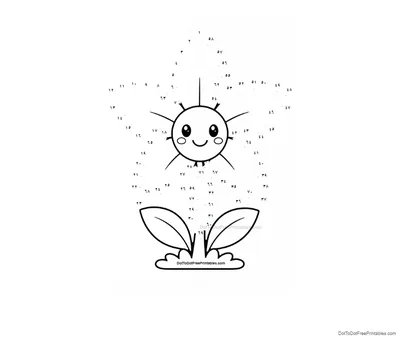
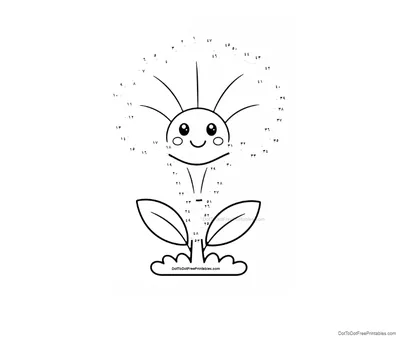
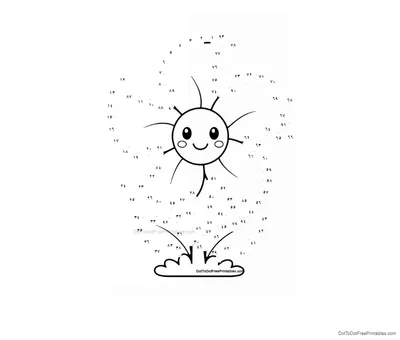
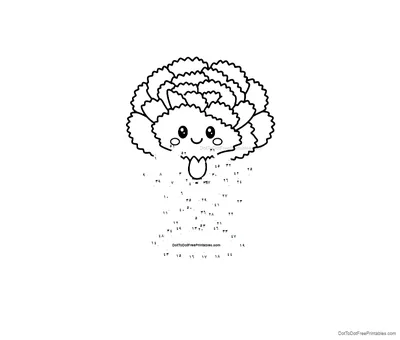
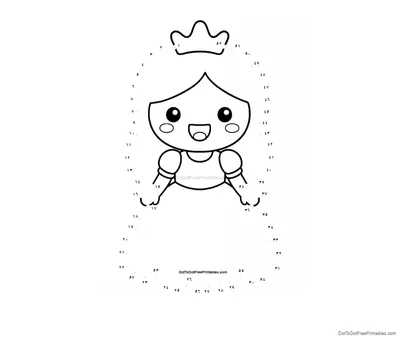
Cute
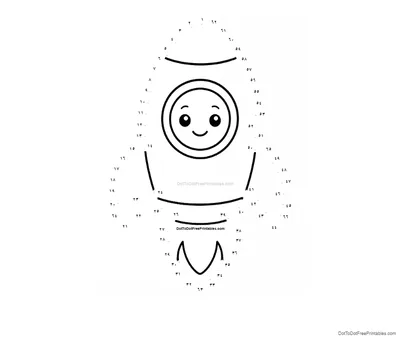
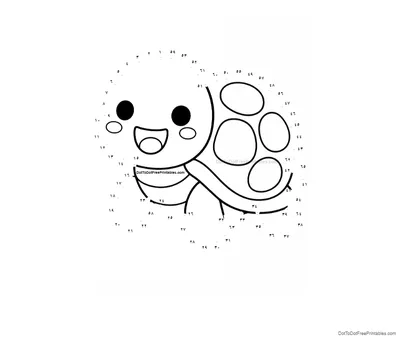
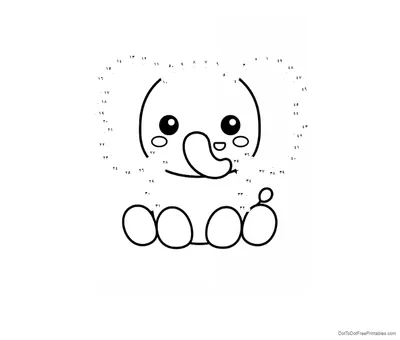
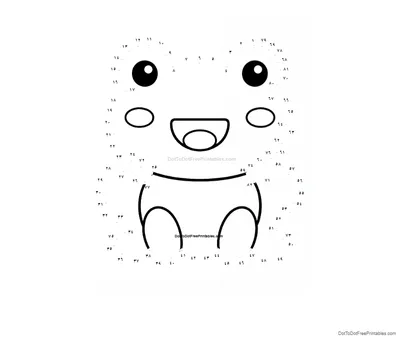
Ocean
Playgrounds
Space

Circus
Arabic Numerals
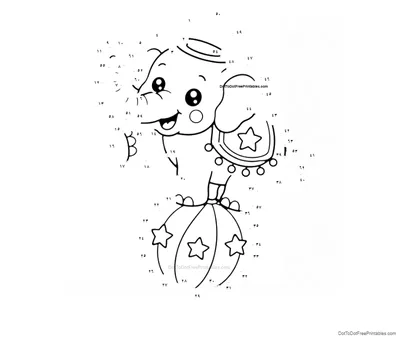
Circus Elephant Balancing on a Ball
Balance a Big-Top Star One Dot at a Time
View & Download
UAE

Canada
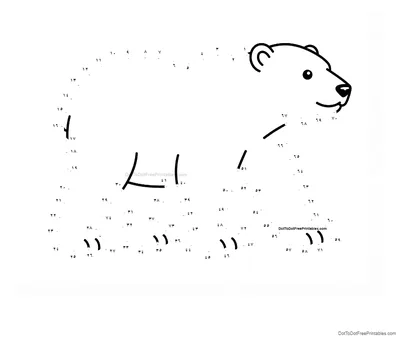
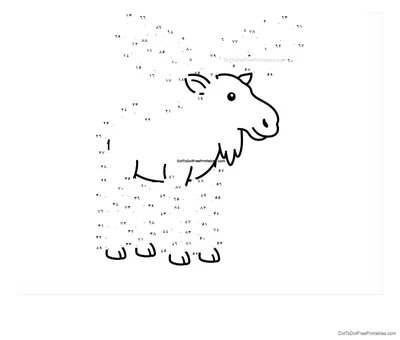
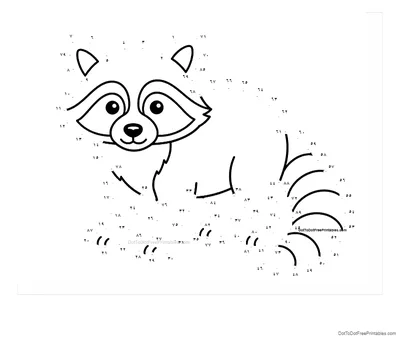
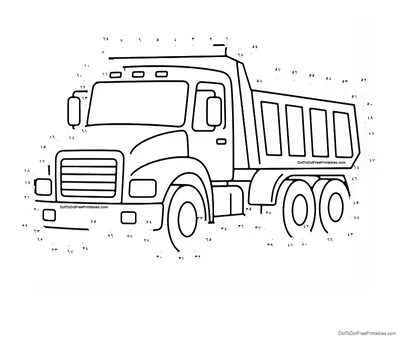
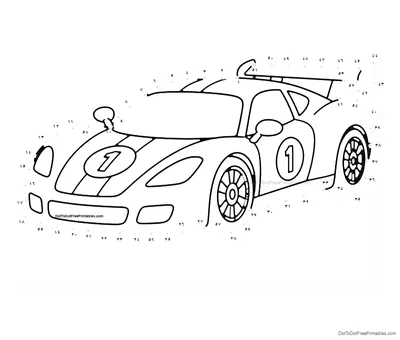
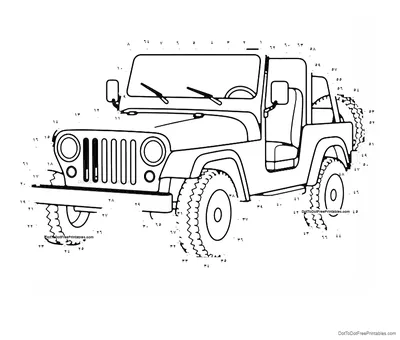
Vehicle Dot to Dots
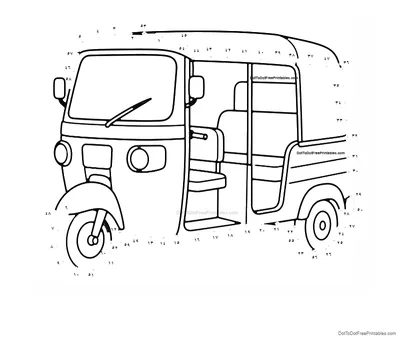
Garden
Dinosaurs
Planes
Arabic Numbers Dot to Dot: Pictures, Number Practice and Printing Tips
What Is Hiding Behind ١, ٢, ٣?
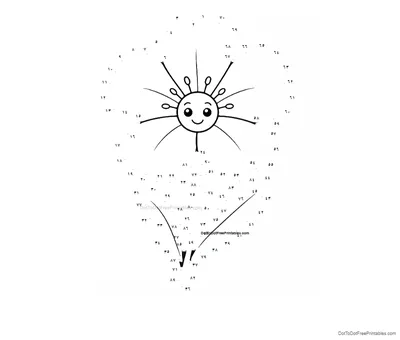
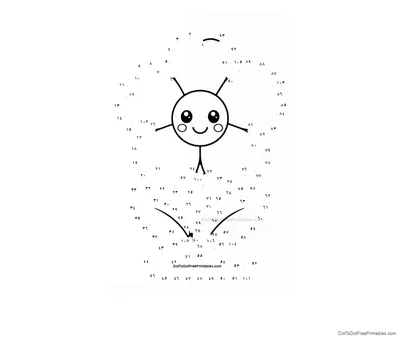
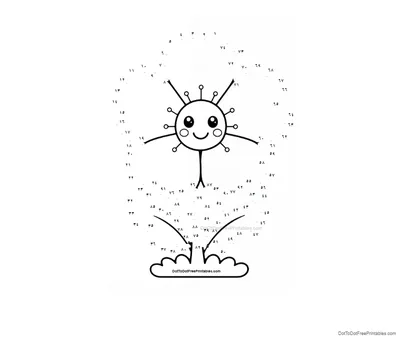
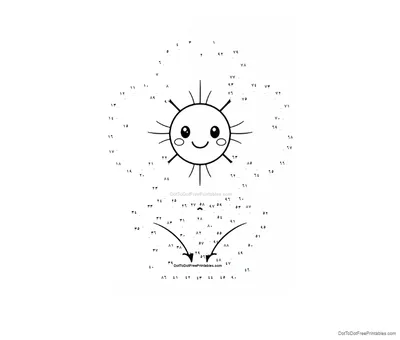
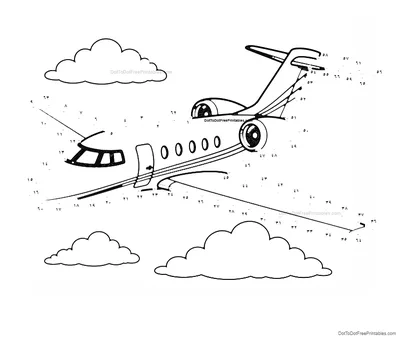
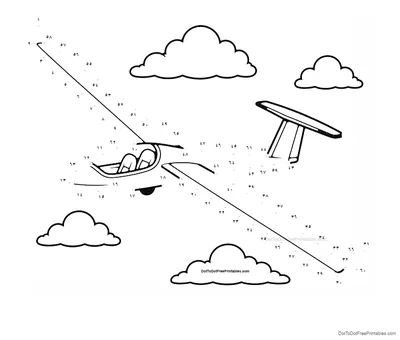
Arabic numbers dot to dot worksheets are connect-the-dots pictures labeled with Eastern Arabic digits. Start at ١, draw a line to ٢, then find ٣. Keep following the numbers in order until the picture is complete. The counting works just like a familiar 1, 2, 3 puzzle; the written digits look different.
A few lines might suggest a flower, a fish or a tower. Keep going and the scattered dots become a drawing you can color. That little reveal gives number practice a purpose: every number found adds something to the picture. Children can choose a subject they already enjoy instead of working through a page of unrelated exercises.
This English-language collection brings the Arabic-number versions together while keeping each puzzle on its original page. Use the cards above to compare pictures, open a worksheet and choose its Arabic Numerals Version. The explanations here are in English; the labels on the printable use ١٢٣.
Arabic Numerals or Eastern Arabic Numerals: Which Digits Are These?
In English, “Arabic numerals” often means the familiar digits 0 to 9. Here, the worksheets use ٠, ١, ٢, ٣, ٤, ٥, ٦, ٧, ٨ and ٩, also called Arabic-Indic digits. We use “Eastern Arabic numerals” on the download controls to make that distinction clear. The Unicode Arabic character chart identifies this set as Arabic-Indic digits.
A useful comparison strip is ٠ = 0; ١ = 1; ٢ = 2; ٣ = 3; ٤ = 4; ٥ = 5; ٦ = 6; ٧ = 7; ٨ = 8; ٩ = 9. Keep that strip beside the sheet while the digit shapes are new. The trail begins at ١, so zero first becomes useful inside a number such as ١٠.
The place values stay the same. The label ٢٤ means 24, while ٤٢ means 42. Read the whole number before looking for the next dot. A learner who already understands counting can focus on recognizing the symbols without also learning a different counting system.
Choose a Picture Before Choosing a Longer Trail
Start with a subject the child wants to finish, then compare its dot count with the numbers they can already read. A longer trail introduces more labels, but dot count alone does not describe how crowded or twisty a drawing is. Use the individual card and puzzle page for the generated difficulty information.
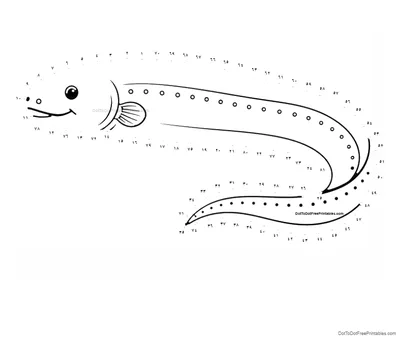
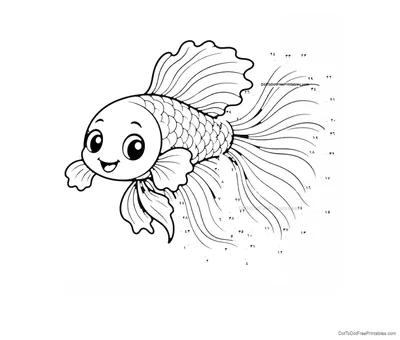
For a shorter number trail, try the Garden Trowel with 39 dots, the Betta Fish with 44, or Lotus Flower with 46. These still go beyond numbers to 20, so they are not standalone 1–10 or 1–20 worksheets. If those are the only numbers a learner knows, complete a short stretch together and help with the rest.
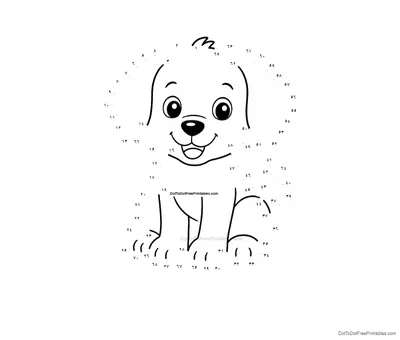
For a familiar animal picture, compare Cute Baby Elephant at 50 dots with the Cute Puppy at 70. Both give an animal-loving child something to look forward to coloring. A preference for puppies can be a better reason to choose the second sheet than simply wanting a larger number.
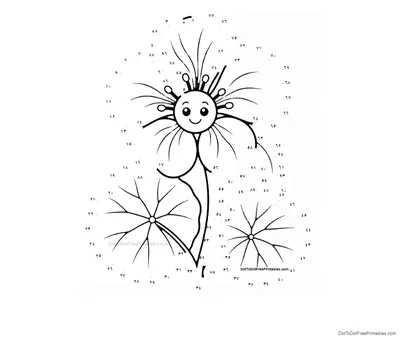
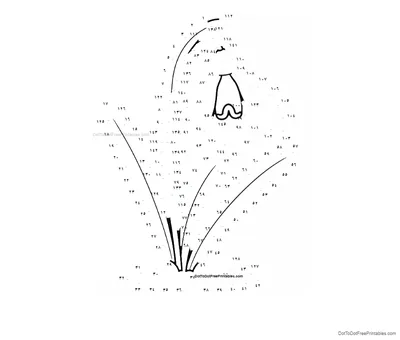
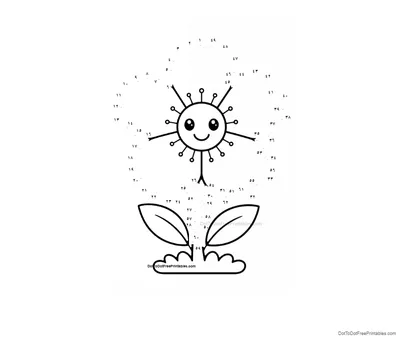
For practice crossing into three digits, Forget-Me-Not Flower has 107 dots, while the Snowdrop Flower continues to 145. Before starting either, look together at ٩٩, ١٠٠ and ١٠١. Those labels are an opportunity to notice how the same ten digits build larger numbers.
Animals, Space and Landmarks: Follow Their Interests
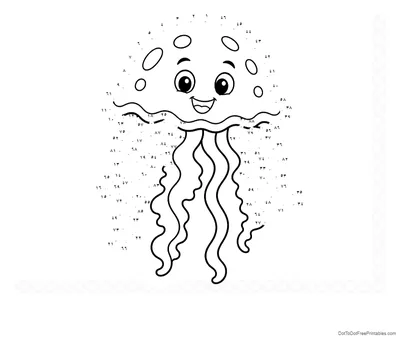
An ocean pair makes a useful comparison: the Betta Fish has 44 dots and Jellyfish has 88. Choose one, finish the outline and add an underwater background. The picture can lead into a conversation about the animal, while the labels keep the worksheet focused on number order.
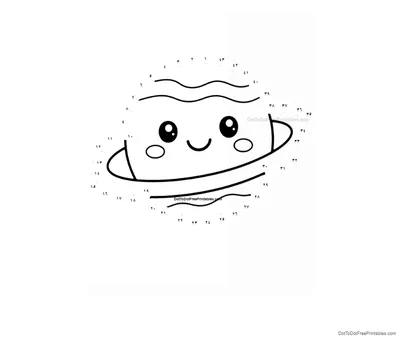
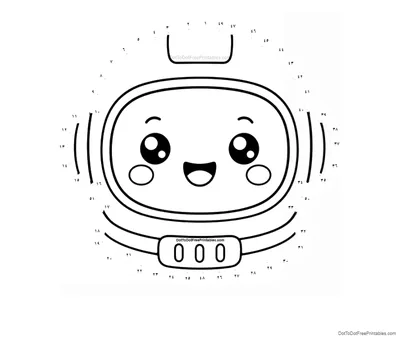
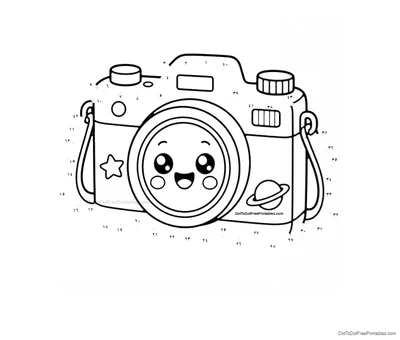
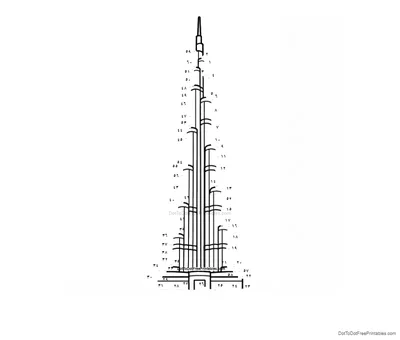
Space fans can choose Saturn or Space Camera, each with 43 dots. Children who enjoy buildings can try the 60-dot Burj Khalifa or 66-dot Burj Al Arab. These are different subjects using the same number-label system.
Keep the language activity separate from the picture’s subject. An Arabic-number worksheet does not automatically teach Arabic animal names or landmark vocabulary. You can add those words with a teacher or a family member, but the printable itself asks the learner to recognize and follow the numerals.
How to Use an Arabic Numbers Connect the Dots Worksheet
First, scan the page without drawing. Find ١ and the final label, then check that the child understands how far the sequence goes. Read a few labels together. A pencil and eraser are useful while the symbols are unfamiliar, because a mistaken connection is easy to correct.
Next, point to the following number before drawing the line. This separates two tasks: deciding what comes next and finding where it sits on the page. The next dot may be above, below or across the picture. Follow the increasing numbers rather than moving across the paper in a fixed direction.
When the learner pauses, ask “Which number are we looking for?” before pointing it out. If they know the number but cannot find it, search a smaller area together. If the digit itself is confusing, use the comparison strip. Finish by checking the last few connections and coloring the drawing.
Five Small Games to Play With the Same Printable
Try a tens hunt before connecting anything. Find ١٠, ٢٠ and ٣٠ wherever they appear on the chosen sheet. Ask what stays the same and what changes. This turns a busy page into a search for a few recognizable landmarks before the full trail begins.
Play “next number” at a transition. Pause at ٩ and ask the learner to find ١٠, or stop at ١٩ and look for ٢٠. Use the transitions actually present on the worksheet. Reading both labels aloud can help connect the familiar counting sequence to its written form.
Make a picture prediction after a short section. Ask what the lines might become and write the guess on the back. Continue a little farther and let the child change their mind. There is no score to beat; the point is to stay curious about the drawing.
Take turns as finder and drawer. One person identifies the next label and the other connects it, then swap jobs. This works well when a child can recognize the numbers but would appreciate help with the pencil work, or when two learners want to share one sheet.
Finish with a number match. Choose three labels from the completed picture and write their 123 equivalents on scrap paper. For example, match ٢٥ with 25. Ask the learner to explain the match instead of simply guessing, then put the worksheet on display with its colored picture.
One Picture, Two Number Systems
Each Arabic-numeral puzzle is a label version of an existing number puzzle. Its dot positions and connection order stay the same. The matching 1, 2, 3 version therefore makes a useful companion: two learners can work on the same picture while reading different digit shapes.
Print both versions of the Garden Trowel, for example. Compare the label for the tenth dot on each page, then the twentieth. You are matching positions in the same drawing, not comparing two unrelated exercises. Once the relationship is clear, put the familiar version aside and continue with the Arabic-number sheet.
Letter practice is a separate choice. Our English alphabet dot to dot printables follow letter labels, and the Arabic alphabet collection uses Arabic letters. Choose the numeral collection when your aim is number recognition and counting order.
Printing the Free PDF in A4 or US Letter
Open a puzzle from this collection and check that Arabic Numerals Version is selected. Choose the PDF for the paper in your printer: A4 or US Letter. Check the available orientation options on that puzzle page before downloading, especially if you prefer a wider drawing area.
Print the PDF rather than a screenshot of the preview. Start with actual size or 100% scale and inspect the print preview for clipped edges. If your printer requires extra margins, adjust the print settings enough to keep the whole worksheet visible. Readable labels matter more than filling every corner of the paper.
For a classroom set, print one sample before making copies. Check that the small digits are clear, especially where labels sit close together. Plain white paper and a sharp pencil keep the first pass simple; crayons or colored pencils can come out after the picture is connected.
Using These Sheets at Home or in an Arabic Class
In a home lesson, pair one picture with one small goal: recognizing an unfamiliar digit, reading the teens, or noticing a tens transition. There is no need to turn every sheet into a test. Let the learner use a reference strip and remove it gradually when they no longer need it.
In an Arabic class or weekend school, show the starting sequence before handing out the worksheets. Children may know the spoken numbers but be less familiar with their written symbols, or the reverse. Invite them to say the numbers in the language being practiced while keeping the drawing instructions simple.
Keep an unfinished page for another session if concentration fades. A longer puzzle can be completed in sections without changing the order. These activities offer practice in visual searching, number sequencing and drawing controlled lines; they work alongside direct teaching rather than replacing it.
Connect the Dots Is Different From Number Tracing
An Arabic number tracing worksheet asks the learner to draw the shape of a digit. An Arabic numbers dot to dot asks them to recognize the digit beside a dot and connect it to the next number. The line forms part of a picture, not the numeral itself.
Use tracing when the goal is writing ٢ or ٥ correctly. Use this collection when the goal is reading those symbols in sequence. For a child working on both, trace a few digits on a separate sheet first, then find those digits inside the chosen puzzle. That keeps the purpose of each activity clear.
Make a Tiny Museum of Everyday Numbers
Bring one everyday example to the table: a calendar, a page number in a book, or a family photograph containing a clearly readable number. Ask the learner which digit shapes they recognize. Families and publications use different numeral styles, so treat the actual example as evidence rather than saying that every Arabic-speaking place prints numbers in the same way. The worksheet specifically uses ٠١٢٣٤٥٦٧٨٩.
Make a pretend museum ticket on scrap paper. Write a two-digit number in both forms, such as 24 and ٢٤, and put it beside the finished picture. The visitor checks that the two tickets name the same number. Swap roles and try 42 and ٤٢. Keep the digit order: changing the shapes does not reverse the number. There is no need to invent Arabic words if nobody at the table knows their pronunciation.
For a place-value game, draw two boxes labeled tens and ones. Put two bundles of ten counters in the tens area and four single counters in the ones area, then match them to ٢٤. Move to ٢٥ by adding one counter. When the puzzle reaches ٢٩, pause and predict ٣٠ with the same materials. This makes the written change visible without requiring a child to complete an arithmetic worksheet.
Finish the display with a short observation in the learner’s own words: “I checked both digits before drawing.” Keep that note with the picture. On another day, choose a different outline and see whether the learner can use the same checking routine. This is a suggested family activity, not a claim that these worksheets have been tested as a mathematics intervention.
About This Guide and Reporting a Problem
The Arabic-number version replaces each digit label with its Arabic-Indic equivalent while keeping the picture and connection order. The examples in this guide use the listed puzzle dot counts; they describe number-recognition activities, not measured learning outcomes.
This guide was prepared with AI-assisted drafting and editing. Its puzzle examples and sequence calculations were checked against the site’s puzzle data. Read about the project and its creator on our About page, and see our editorial policy for production, automation and correction standards.
If a letter, number or download looks wrong, report the problem with the puzzle URL and the version name, Arabic Numerals Version. For a printing issue, include the paper size and what was clipped or unclear. See our terms of use for printing and sharing permissions.
Questions about the worksheets
Arabic Numerals worksheet FAQs
Does the Arabic-number trail begin with zero, ٠?
No. The trail begins at ١, meaning 1. Zero appears within later labels such as ١٠ and ٢٠. Its printed shape is part of a number, not another puzzle point to connect. Read the whole label and join the separate point next to it.
Do the PDFs use 123 or ١٢٣?
The Arabic Numerals Version uses ١٢٣, the Arabic-Indic digit shapes also called Eastern Arabic numerals here. A matching 123 version is available on the same puzzle page. Check the selected version before downloading so you print the labels you want to practice.
Is there an Arabic numbers 1–10 or 1–20 puzzle in this collection?
The current collection starts with the 39-dot Garden Trowel, so none of these complete pictures stops at 10 or 20. A learner who knows only those numbers can connect the first section with an adult and finish the remaining trail together.
Should children connect the dots from right to left?
Follow the increasing number labels, wherever the dots sit. Begin with ١, then ٢ and ٣. The line may travel in any direction across the picture; it does not follow the reading direction of a sentence. Read each full number before finding the next one.
Which worksheets can we choose for animal number practice?
The Arabic-number collection includes Betta Fish with 44 dots, Cute Baby Elephant with 50, Cute Puppy with 70 and Jellyfish with 88. Compare the dot counts and the guidance on each puzzle page, then choose the animal your learner wants to reveal and color.
Can I print an Arabic numbers worksheet that goes beyond 100?
Yes. Forget-Me-Not Flower has 107 dots and Snowdrop Flower has 145. They include three-digit labels. Review the change from ٩٩ to ١٠٠ before beginning, and use a number reference if those larger written numbers are new to the learner.
Are these Arabic alphabet worksheets?
No. These sheets follow number labels. The separate Arabic alphabet collection follows Arabic letters, while the English alphabet collection uses English letter labels. Choose according to whether you want to practice number order or letter order.
Will the Arabic-number and 123 versions make the same picture?
Yes. The corresponding versions use the same dot positions and connection order. Only the numeral labels change. This makes it possible to compare equivalent numbers on matching pictures or let two learners work with different labels on the same subject.
Can I use these printables for kindergarten or beginners?
Choose by the learner’s number recognition and the individual puzzle guidance. Even the shortest complete trail goes beyond 20, so a beginner may need an adult or a digit reference. Start with a manageable section instead of expecting independent completion immediately.
What should I do if the numbers print too small or get cut off?
Download the PDF for your actual paper size and check print preview. Avoid printing a screenshot. Try actual size first, then adjust for your printer’s margins if needed. Print a single sample and check the small labels before making classroom copies.
Why did I download a worksheet with 123 instead of ١٢٣?
A puzzle page offers several label versions of the same picture. Select the Arabic numeral version and use its PDF download controls, then check the first labels in the downloaded file before printing. The Arabic-number sheet starts with ١, ٢ and ٣; the ordinary numbered sheet starts with 1, 2 and 3.